Upstate South Carolina · Practical, low-disruption pest work
Silverfish Control in Boiling Springs, SC: Connecting Activity to Moisture Checks
Silverfish control in Boiling Springs, SC works best with a moisture check included. Look at bathrooms, basements, and storage areas. Check for damp clues in each spot. Then ask for an inspection that reviews activity rooms,…
- Low-disruption applications focused on cracks, voids, and entry points
- Reachable techs, text us, call us, we answer
- Quarterly programs or one-time visits, your call
Quick Answer
Silverfish control in Boiling Springs, SC works best with a moisture check included. Look at bathrooms, basements, and storage areas. Check for damp clues in each spot. Then ask for an inspection that reviews activity rooms, humidity signs, storage habits, and plumbing access before you set the service scope.
For the next step, compare moisture remediation, read about crawl space moisture control, or check where Paladin works across Upstate SC.
Key Takeaways
- Silverfish sightings often point to nearby moisture sources.
- Bathrooms, basements, and closets need close activity checks.
- Musty smells and condensation are key humidity clues.
- Storage boxes and paper goods can hide silverfish activity.
- Plumbing access points often link moisture and pest issues.
- A combined inspection helps set the right service scope.
- Notes made before your visit speed up the review.
When should silverfish activity trigger a combined pest and moisture inspection?
Silverfish sightings in bathrooms, basements, laundry rooms, or closets should prompt a combined check. These insects prefer damp, humid spots. Repeated activity in one area often signals a moisture issue nearby. It is worth reviewing pest signs and moisture together before you schedule any service.
If you spot silverfish more than once in the same room, write down the location. Repeated sightings mean more than a single stray insect. This connects closely with moisture remediation when you are comparing next steps.
Bathrooms and basements hold more moisture than most rooms in a home. Silverfish tend to favor these cool, humid spots.
A combined inspection looks at both insect activity and the moisture that may support it. This approach follows integrated pest management ideas from the EPA. It helps set a clear, accurate service scope. For a wider plan, pair this with Upstate SC service areas so the whole property is covered.
What this means for your home
- Boiling Springs service is adjusted to the home style, season, and pressure pattern instead of using the same checklist everywhere.
- Practical takeaway: Silverfish sightings in bathrooms, basements, laundry rooms, or closets should prompt a combined check.
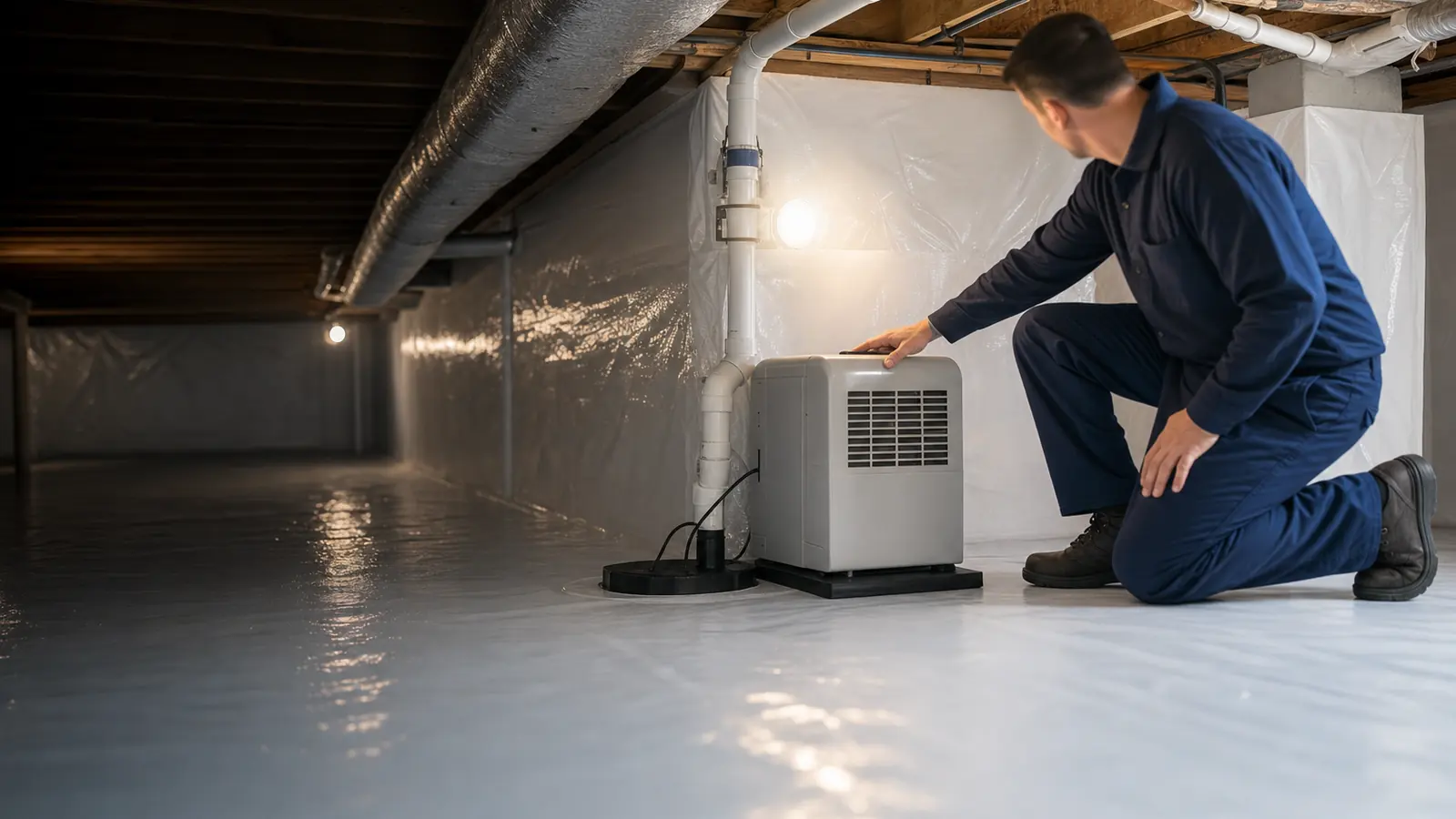
Which rooms should you check first for silverfish activity?
Start with bathrooms, basements, laundry rooms, and closets near plumbing lines. These spaces tend to hold higher humidity. Silverfish often move between wall voids and stored items in these rooms. They feed and hide there before spreading further into the home.
Bathrooms often rank first. Daily water use, condensation, and limited airflow make them prime spots. Check under sinks, behind toilets, and near showers. Homeowners seeing similar pressure can also review crawl space moisture control before scheduling.
Basements and crawl spaces trap moisture easily, especially with poor ventilation. Look along baseboards, in corners, and near any visible dampness.
Laundry rooms and utility closets see steady water exposure too. Silverfish can hide behind washing machines or inside stored linens. This connects closely with requesting service from Paladin when you are comparing next steps.
What this means for your home
- Practical takeaway: Start with bathrooms, basements, laundry rooms, and closets near plumbing lines.
- Boiling Springs service is adjusted to the home style, season, and pressure pattern instead of using the same checklist everywhere.
Do silverfish always mean there is a moisture problem?
Not always, but repeated sightings in damp areas like bathrooms or basements often go with excess humidity. Checking for moisture clues along with pest activity gives a fuller picture before you decide on next steps.
Ready for a straight answer?
Call or message, we'll listen first and recommend only what fits your home.

How do humidity clues help confirm a moisture problem?
Humidity clues like musty odors, visible condensation, or damp surfaces often point to excess moisture. Noting these signs along with silverfish sightings gives an inspector useful context. It helps clarify whether moisture control should be part of the service plan.
A musty smell in a closet or basement is often the first clue. This odor builds in spaces with limited airflow and steady dampness. For a wider plan, pair this with vapor barrier installation so the whole property is covered.
Condensation on windows, pipes, or storage containers is another common sign. Take a photo if you notice repeated moisture on the same surface.
The EPA notes that controlling indoor moisture helps reduce pest-friendly conditions. Sharing these observations helps set clear expectations before an inspection. Homeowners seeing similar pressure can also review moisture remediation before scheduling.
What this means for your home
- Practical takeaway: Humidity clues like musty odors, visible condensation, or damp surfaces often point to excess moisture.

Why does storage clutter matter for silverfish control?
Stored boxes, books, and paper goods give silverfish shelter and food. Reviewing storage habits before an inspection helps find hiding spots. Insects can stay undisturbed there for a long time. This review supports a fuller property assessment and guides inspection priorities.
Cardboard boxes and paper items are common hiding spots. Silverfish feed on starches found in glue, paper, and some fabrics. Untouched storage creates ideal conditions. This connects closely with Upstate SC service areas when you are comparing next steps.
Basements, attics, and closets often hold items left untouched for months or years. These spaces deserve extra attention during a walkthrough.
Note which storage areas have not been checked recently. This helps an inspector focus on where to look closely for activity signs. For a wider plan, pair this with crawl space moisture control so the whole property is covered.
What this means for your home
- Practical takeaway: Stored boxes, books, and paper goods give silverfish shelter and food.
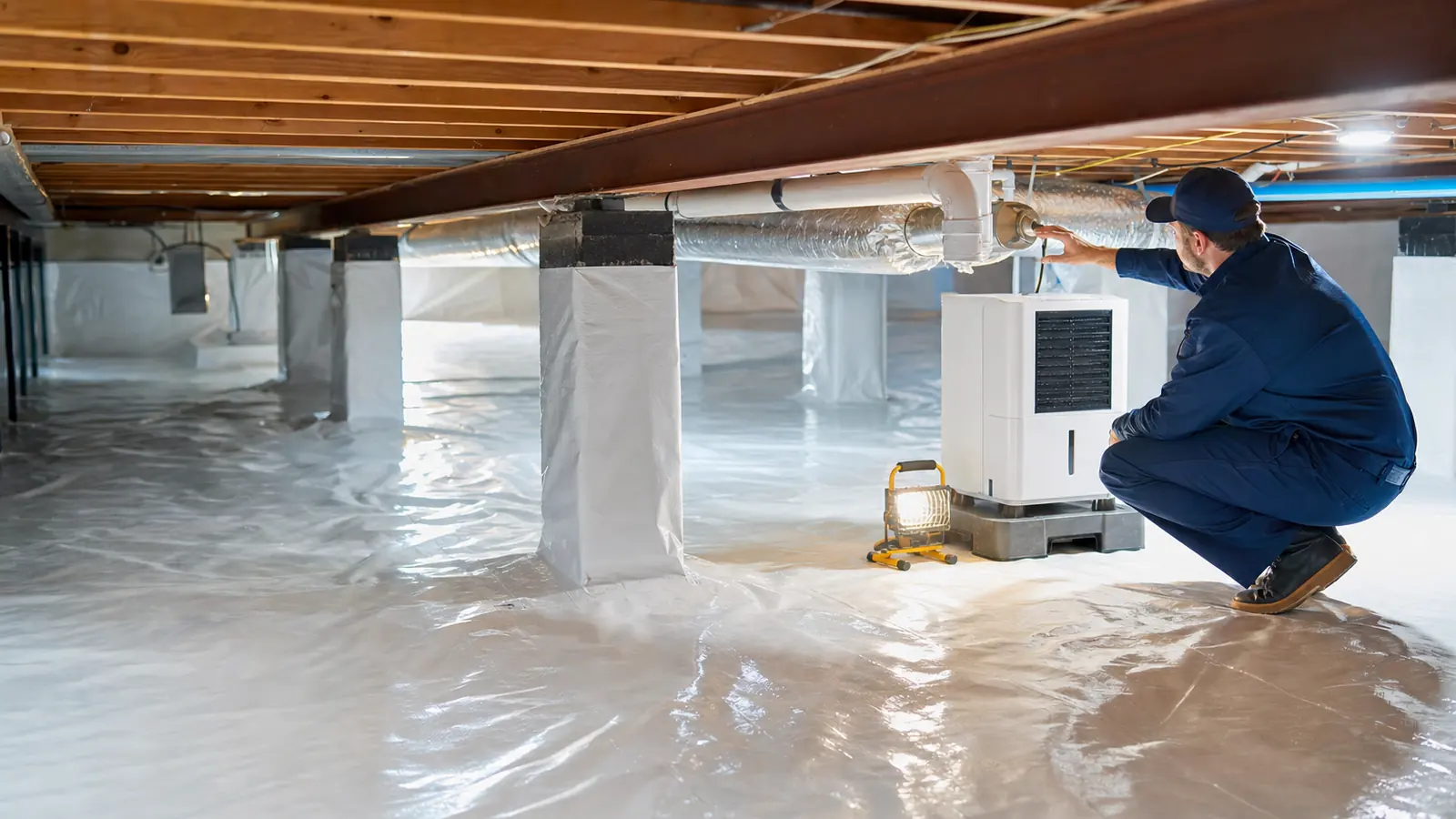
Should plumbing access points be part of the inspection checklist?
Yes, plumbing access points often link moisture sources with pest entry paths. Areas around pipes under sinks, behind appliances, or near water heaters belong on the checklist. Including them helps show overlap between the two concerns and keeps the inspection thorough.
Pipes running through walls or floors can create small gaps. Insects may travel between rooms through these gaps. Moisture can also collect nearby if a leak is present. Homeowners seeing similar pressure can also review requesting service from Paladin before scheduling.
Water heaters and washing machine connections deserve a look too. Check for dampness on the floor or walls around these fixtures.
Noting plumbing access points gives a fuller picture of where moisture and pest activity might meet. This detail can help refine the scope of a control visit. This connects closely with vapor barrier installation when you are comparing next steps.
What this means for your home
- Practical takeaway: Yes, plumbing access points often link moisture sources with pest entry paths.
- Boiling Springs service is adjusted to the home style, season, and pressure pattern instead of using the same checklist everywhere.
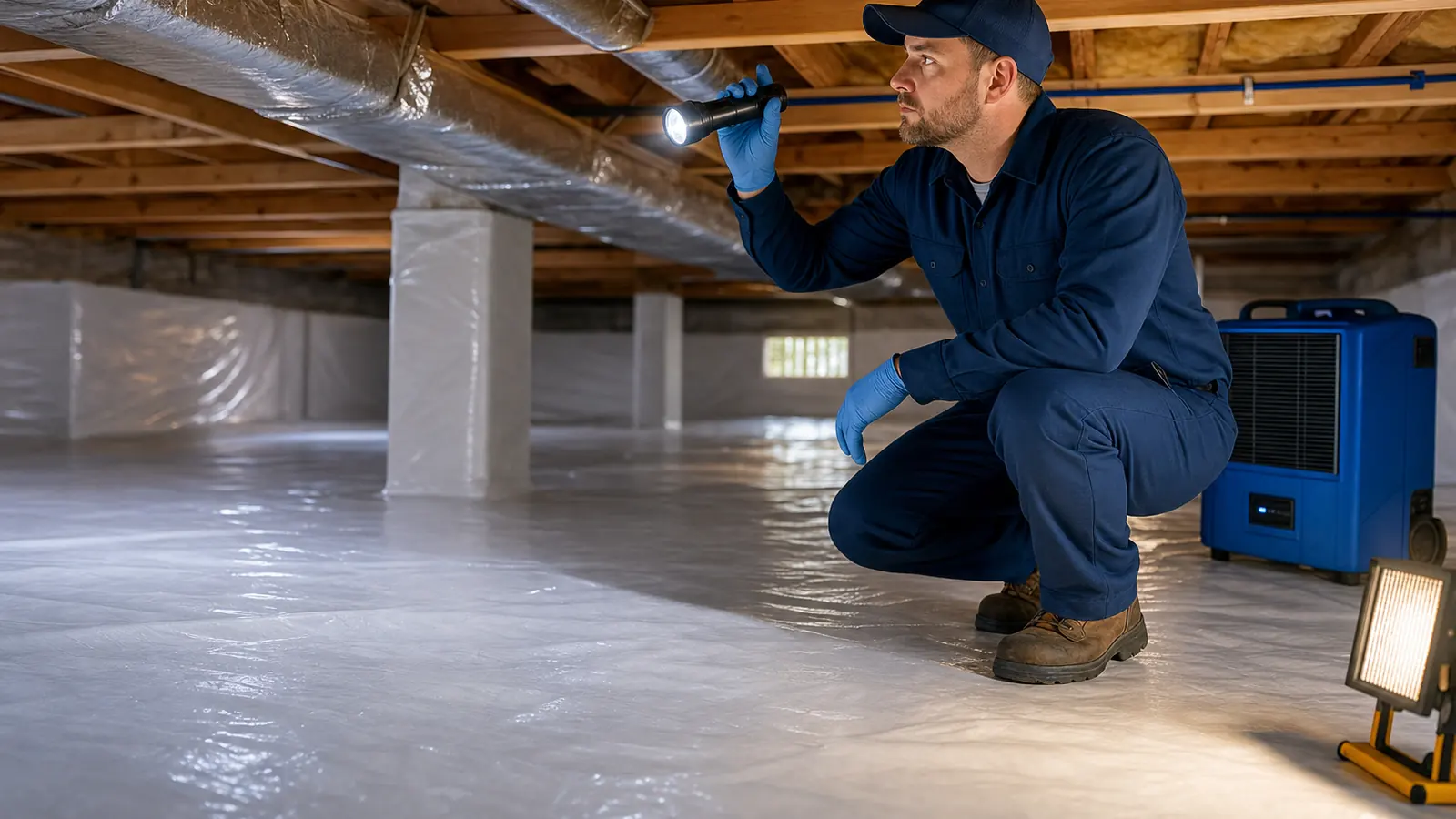
What should a professional silverfish control inspection document?
A professional inspection should record activity locations, humidity observations, storage conditions, and plumbing access points. Recording these details creates a clear reference for comparing scope over time. It also helps show which areas may need follow up attention as conditions change.
Photos of sighting spots, moisture areas, and storage conditions provide a useful record. These images can be compared later if activity continues. For a wider plan, pair this with moisture remediation so the whole property is covered.
Written notes about sighting frequency and humidity changes add helpful context. Simple observations, like a room feeling more humid in summer, are worth including.
These details form a checklist that supports informed decisions about scope. This reflects the EPA integrated pest management framework, which stresses inspection before action. Homeowners seeing similar pressure can also review requesting service from Paladin before scheduling.
What this means for your home
- Boiling Springs service is adjusted to the home style, season, and pressure pattern instead of using the same checklist everywhere.
- Documentation should summarize findings, treated areas, product locations where applicable, and the recommended follow-up plan.
Which findings can change the silverfish control service scope?
Findings like widespread humidity, multiple activity rooms, or heavy storage clutter can change the service scope. When moisture issues seem linked to pest activity, an inspector may suggest addressing both together. This differs from treating them as two separate, unrelated problems.
If activity stays in one room with few moisture signs, the scope may stay narrow. Broader activity across several rooms often points to a wider review. This connects closely with crawl space moisture control when you are comparing next steps.
Persistent humidity findings, such as recurring condensation or musty odors in multiple areas, can suggest that moisture control should be considered alongside pest steps.
Every property is different, so outcomes vary based on what the inspection reveals. Sharing your observations ahead of time helps set realistic expectations. For a wider plan, pair this with moisture remediation so the whole property is covered.
What this means for your home
- Practical takeaway: Findings like widespread humidity, multiple activity rooms, or heavy storage clutter can change the service scope.
Can homeowners prepare useful evidence before the inspection visit?
Yes, homeowners can prepare useful evidence. Note sighting locations, photograph moisture signs, and list storage areas that have not been checked recently. This preparation helps the inspection move smoothly. It also supports a clearer conversation about service scope with the inspector.
Keep a simple log of where and when you notice silverfish. Include the room, time of day, and any nearby moisture signs. Homeowners seeing similar pressure can also review vapor barrier installation before scheduling.
Take photos of condensation, damp spots, or musty areas as you find them. Visual evidence is easier to review than memory during a walkthrough.
List storage spaces, like attics or closets, that have not been opened in a while. Sharing this list helps focus attention on the areas that matter most. This connects closely with crawl space moisture control when you are comparing next steps.
What this means for your home
- Practical takeaway: Yes, homeowners can prepare useful evidence.
- The plan is adjusted for the home type and pest pressure instead of forcing a generic crawl-space pest prevention checklist.
Crawl space and moisture
Drop crawl-space humidity below 55% and keep it there
Most recurring pest pressure traces back to crawl-space conditions. We measure relative humidity, check the vapor barrier, inspect the dehumidifier and ducts, and look at drainage outside before we quote a scope.
Done well, that means a 12-mil reinforced barrier sealed to piers and walls, a sized professional dehumidifier with auto-drain, and a sealed access door.
Why this post exists on the Paladin blog
This post was written by someone who actually does this work on Upstate homes, not by a contractor or a marketing team that has never seen the species in person. The Paladin blog exists to answer the questions we hear on real service calls, honestly, in plain English, without selling you a service you do not need. If a post helps you solve the problem on your own, that is a successful post for us. If you read it and decide you would rather have a trained technician on site, that is what the phone is for. Either path is fine.
A first Paladin visit is intended to document the activity, inspect relevant areas, and explain the proposed scope before work begins. Appointment timing and the exact inspection areas depend on the request and property access. Call (864) 816-7658 or use the contact form so the office can confirm the current options.
Paladin is based in Boiling Springs, SC and serves the approved Upstate locations listed on this site. Each recommendation should be tied to conditions documented at the property, including pest evidence, moisture, entry points, food, water, shelter, and access. The office confirms address availability without promising a route frequency or response window.
Keep exploring Paladin
Related Paladin services and guides for Upstate homeowners.
Frequently asked questions
How does silverfish control connect to moisture checks in Boiling Springs, SC?
Silverfish are drawn to humid, damp spaces. Their presence often overlaps with moisture issues in a home. A combined check reviews activity locations and humidity clues together. This helps set an accurate service scope for your property before any work begins.
What rooms are most important to check for silverfish activity?
Bathrooms, basements, laundry rooms, and closets near plumbing lines matter most. These spaces hold higher humidity than the rest of the home. That extra moisture can support ongoing silverfish activity if left unaddressed for long periods, especially in spaces with limited airflow or ventilation throughout the year.
Why should I document humidity clues before an inspection?
Documenting clues like musty smells or window condensation gives an inspector useful context before the visit. This information helps clarify whether moisture control should be part of the plan. It can make the overall inspection more focused, efficient, and better suited to your specific property conditions.
Can storage habits affect silverfish activity levels?
Yes, stored boxes and paper goods can offer shelter and food for silverfish over time. Reviewing storage areas that sit untouched helps find spots where activity may occur unnoticed. This applies especially to basements, attics, and rarely opened closets that hold paper, cardboard, or fabric items long term.
Should I contact Paladin Pest Solutions if I notice silverfish near plumbing?
Yes, plumbing access points often connect moisture and pest concerns in ways that are not always obvious. Reaching out to discuss what you have observed helps determine whether a combined inspection makes sense. It depends on your specific situation and layout.
Ready to shield your family?
One call to Paladin and we’ll meet you where you are, from a quick walk-through to a long-term protection plan.