Upstate South Carolina · Practical, low-disruption pest work
Formosan vs. Native Termite Signs in South Carolina
Do not identify Formosan termites from damage alone. Clemson documents differences in swarmer timing, color, and distribution, but species confirmation requires a specimen and location context. Formosan termites are not…
- Product placement chosen around kids, pets, and pollinators
- A real Spartanburg crew, not a national call center
- Plain-English findings before any treatment starts
Quick Answer
Do not identify Formosan termites from damage alone. Clemson documents differences in swarmer timing, color, and distribution, but species confirmation requires a specimen and location context. Formosan termites are not established in every South Carolina county.
For the next step, compare termite control and inspection, read about termite inspection services, or check where Paladin works across Upstate SC.
Key Takeaways
- A swarmer specimen is more useful than damage appearance alone.
- Native and Formosan subterranean termites can produce similar hidden damage.
- Location and seasonal timing support identification but do not prove it.
- Spartanburg-area homeowners should not assume every termite is Formosan.
- Treatment should follow a confirmed inspection.
Which signs can support a Formosan-termite identification?
Swarmer appearance, swarm timing, light attraction, specimen features, and verified county distribution are more useful than guessing from damaged wood.
Clemson reports that Formosan swarmers tend to be golden brown and often swarm during evenings from late spring into summer, while native subterranean termites commonly swarm earlier in spring. Those patterns are clues, not a complete identification. This connects closely with WDI inspection letters when you are comparing next steps.
Collect several swarmers or wings in a sealed container, photograph the event, and record date, time, light source, and exact property location. Avoid destroying mud tubes or cleaning the area before inspection.
What this means for your home
- Practical takeaway: Swarmer appearance, swarm timing, light attraction, specimen features, and verified county distribution are more useful than guessing from damaged wood.
- Check verified county distribution
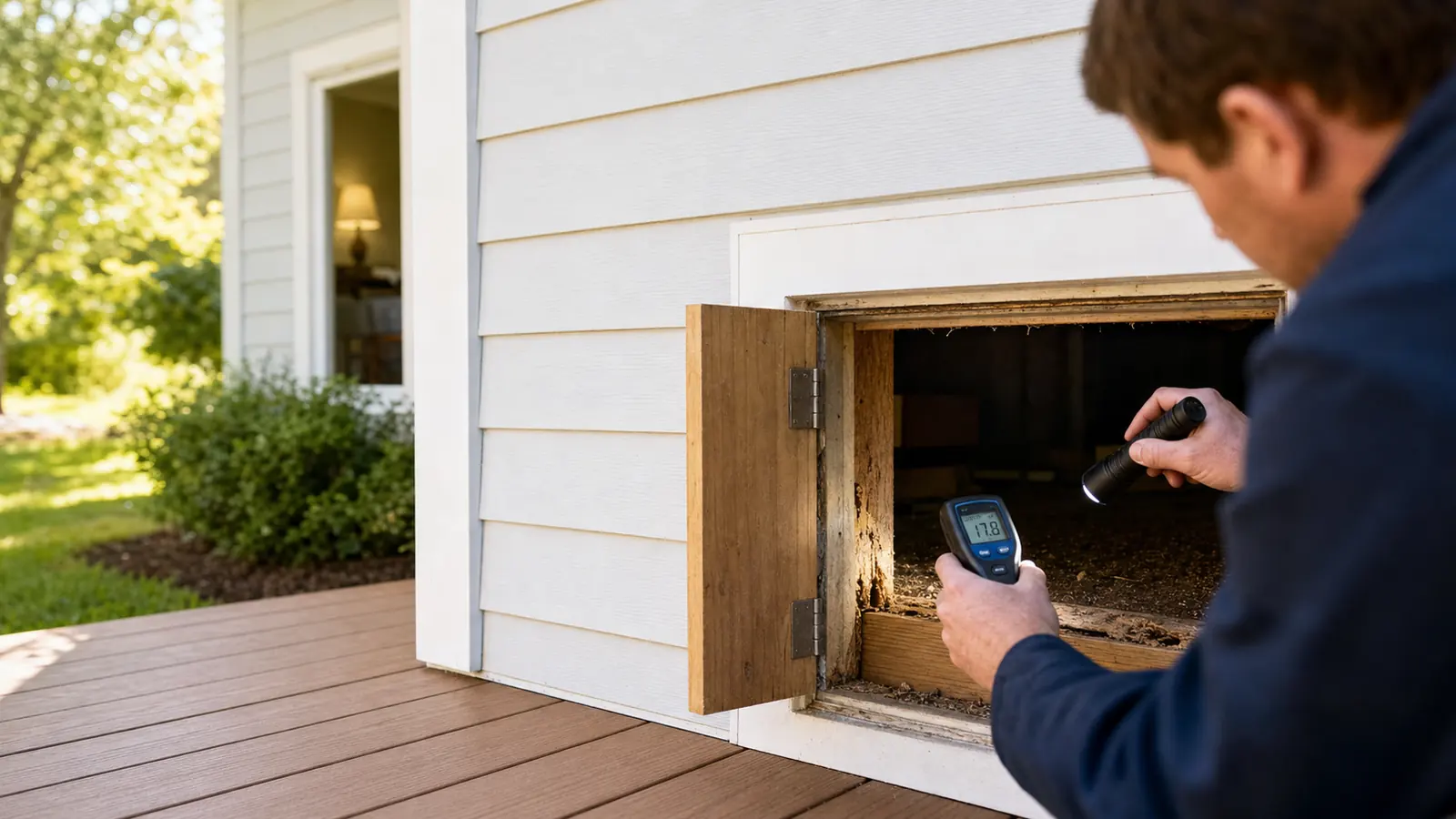
Why does South Carolina distribution matter?
Clemson's published distribution shows Formosan termites in specific counties, not uniformly across the state.
That matters for Upstate content because a statewide headline can imply local establishment where it has not been documented. The correct approach is to compare the specimen and location with current extension records. Homeowners seeing similar pressure can also review related Paladin service before scheduling.
Even when Formosan identification is unlikely, native subterranean termites still warrant inspection. The practical question is whether active evidence exists and what treatment fits the confirmed species and structure.
What this means for your home
- Practical takeaway: Clemson's published distribution shows Formosan termites in specific counties, not uniformly across the state.
- Documentation should summarize findings, treated areas, product locations where applicable, and the recommended follow-up plan.
- Inspect native-termite evidence seriously
- Identification comes first because the right termite protection plan depends on species, activity level, and where the pressure is living.
Does this formosan vs. native termite signs in south carolina guide replace an inspection?
No. It explains what evidence to preserve and which questions to ask. A property-specific recommendation depends on the conditions documented during an inspection.
Want a professional to look at this?
The office will confirm the available appointment date.
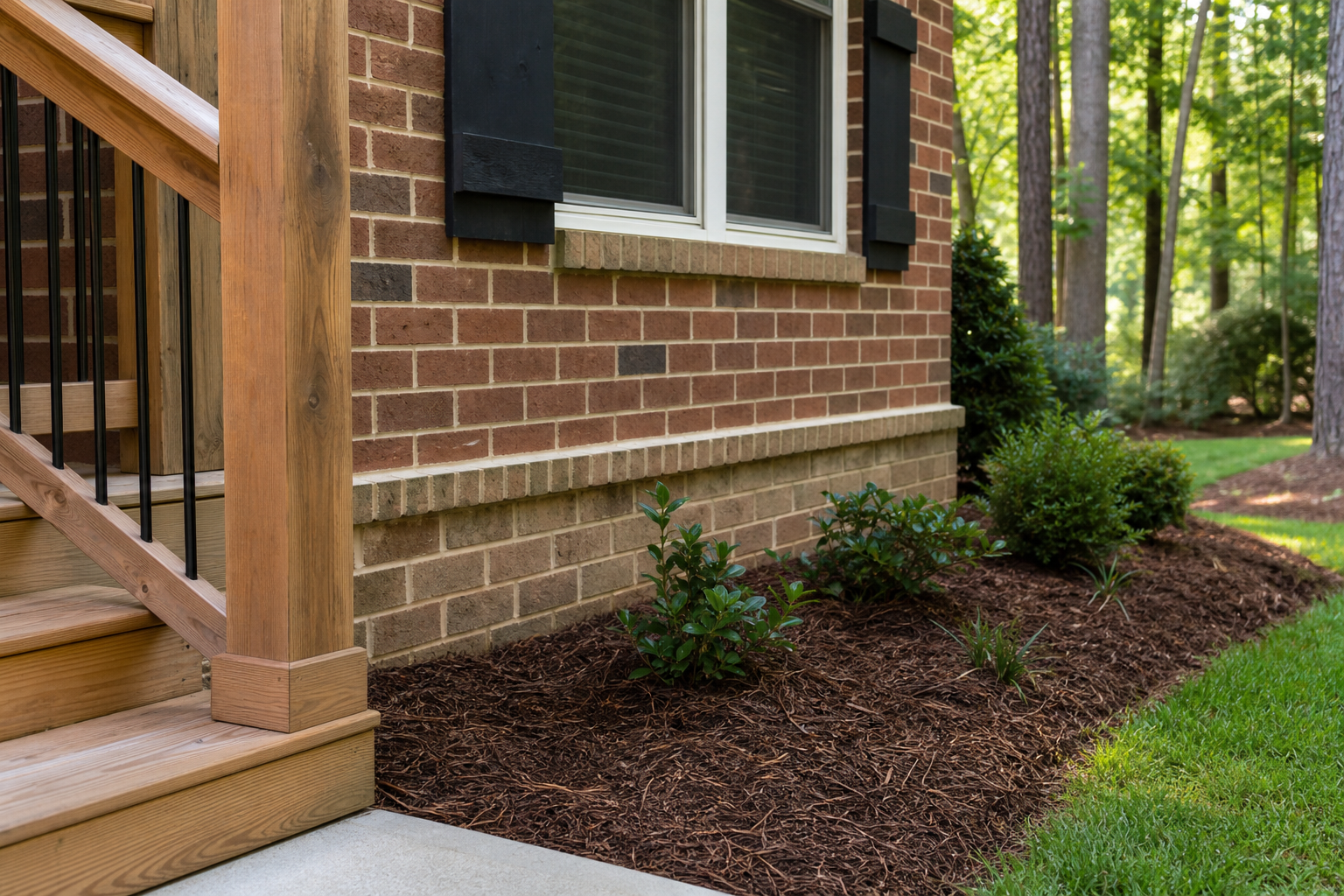
What should the inspection document?
Document specimen identity, mud tubes, swarm location, accessible wood, moisture, soil contact, prior treatment, and every inaccessible area.
Treatment selection should be tied to the inspection and product label. A homeowner should receive a plain-language explanation of which evidence supports the species call and which areas remain uncertain. For a wider plan, pair this with next practical guide so the whole property is covered.
If damaged wood raises a structural concern, use a qualified repair professional for that scope. Pest identification cannot determine load-bearing capacity.
For additional non-commercial background, review Clemson Cooperative Extension Formosan-termite distribution. Use that source alongside the evidence documented at the property.
A useful decision record for formosan vs. native termite signs in south carolina includes the date, exact room or exterior area, photographs, specimens when safe to collect, weather or moisture conditions, prior work, and every area that could not be inspected. Keep observations separate from conclusions. For example, a damaged material, insect wing, sound, or water mark is an observation; the pest identity, activity status, repair need, and treatment scope are conclusions that require the right inspection or qualified trade.
When comparing next steps for formosan vs. native termite signs in south carolina, ask each provider to connect the recommendation to a location and a documented finding. Request the preparation, treated areas, product or method, safety instructions, exclusions, homeowner duties, appointment process, and any follow-up language in writing. That record improves handoff between the homeowner, pest-control provider, closing professional, medical professional, or repair trade without turning an educational article into a promise about one property. This connects closely with related Paladin service when you are comparing next steps.
Before acting on this formosan vs. native termite signs in south carolina guide, separate identification, exposure, and property decisions. Identification asks what the evidence actually supports. Exposure asks who or what could contact the pest, damaged material, or proposed product. The property decision asks whether the next step belongs to pest control, cleaning, exclusion, moisture correction, structural repair, a real-estate professional, or medical advice. One provider may not own every part of that decision. Record the source you relied on, the date you checked it, and any limits stated by Clemson Cooperative Extension Formosan-termite distribution. Then confirm current label directions, transaction requirements, or professional scope with the person responsible for that decision. This keeps a general article useful without turning it into a diagnosis, safety guarantee, contract term, or prediction for a specific address.
What this means for your home
- Practical takeaway: Document specimen identity, mud tubes, swarm location, accessible wood, moisture, soil contact, prior treatment, and every inaccessible area.
- Access limits and repair referrals
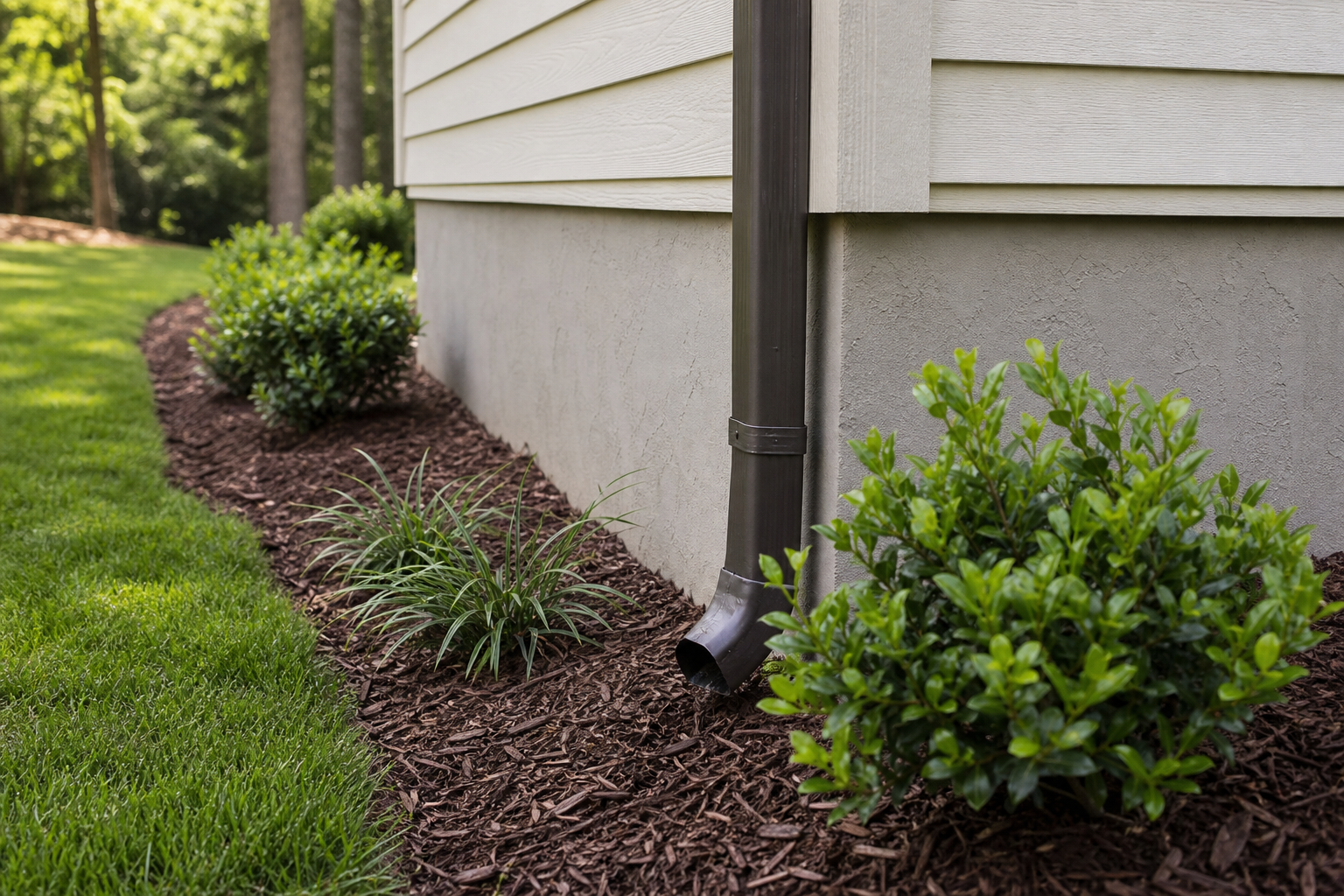
Termite inspection and Trelona ATBS
Subterranean termite work that's monitored on a measured cadence
Termite damage in the Upstate is usually invisible from inside the house. The inspection happens in the crawl space, at the foundation, and along the perimeter where wood meets soil.
Trelona ATBS bait stations on measured spacing intercept active colonies before damage becomes structural. We document the cadence so renewals and re-inspections are predictable.
Why this post exists on the Paladin blog
This post was written by someone who actually does this work on Upstate homes, not by a contractor or a marketing team that has never seen the species in person. The Paladin blog exists to answer the questions we hear on real service calls, honestly, in plain English, without selling you a service you do not need. If a post helps you solve the problem on your own, that is a successful post for us. If you read it and decide you would rather have a trained technician on site, that is what the phone is for. Either path is fine.
A first Paladin visit is intended to document the activity, inspect relevant areas, and explain the proposed scope before work begins. Appointment timing and the exact inspection areas depend on the request and property access. Call (864) 816-7658 or use the contact form so the office can confirm the current options.
Paladin is based in Boiling Springs, SC and serves the approved Upstate locations listed on this site. Each recommendation should be tied to conditions documented at the property, including pest evidence, moisture, entry points, food, water, shelter, and access. The office confirms address availability without promising a route frequency or response window.
Keep exploring Paladin
Related Paladin services and guides for Upstate homeowners.
Frequently asked questions
How do I ask Paladin about formosan vs. native termite signs in south carolina?
Call (864) 816-7658, email info@paladinpestsolutions.com, or use the contact form. Describe what you observed and the office will confirm the next available appointment.
Ready to shield your family?
One call to Paladin and we’ll meet you where you are, from a quick walk-through to a long-term protection plan.