Upstate South Carolina · Identify first, treat the right spot
Residential Pest Control for Upstate South Carolina Homes
Before a South Carolina sale, confirm whether the transaction requires a CL-100, who orders it, when it is due, which structures are included, and how findings will be handled. Clear access and organized prior records make the…
- Careful, targeted treatments built around your household
- Local Upstate route, real callbacks from our Spartanburg office
- Honest scoping, never a sales script
Quick Answer
Before a South Carolina sale, confirm whether the transaction requires a CL-100, who orders it, when it is due, which structures are included, and how findings will be handled. Clear access and organized prior records make the inspection easier to interpret.
For the next step, compare Paladin pest control services, read about Upstate SC service areas, or check where Paladin works across Upstate SC.
Key Takeaways
- The closing team should confirm the required document and deadline.
- Do not hide, clean away, or repair suspected evidence before inspection.
- Make foundations, garages, crawl spaces, and utility areas accessible.
- Prior treatment and repair records help distinguish history from current findings.
- Pest findings, structural repairs, and contract remedies are separate decisions.
What should a seller organize before the CL-100 visit?
Gather prior termite reports, treatment records, repair invoices, moisture work, additions, and property diagrams before the inspector arrives.
Tell the inspector about known leaks, previous infestations, replaced framing, inaccessible areas, and detached structures involved in the sale. Records do not erase findings; they help explain the property's history. This connects closely with related Paladin service when you are comparing next steps.
Confirm the report recipient and deadline with the attorney, agent, lender, or other closing professional. Do not assume an older inspection or transferable service agreement satisfies the current transaction.
What this means for your home
- Practical takeaway: Gather prior termite reports, treatment records, repair invoices, moisture work, additions, and property diagrams before the inspector arrives.
- Repair invoices and photos

How should the home be prepared for inspection?
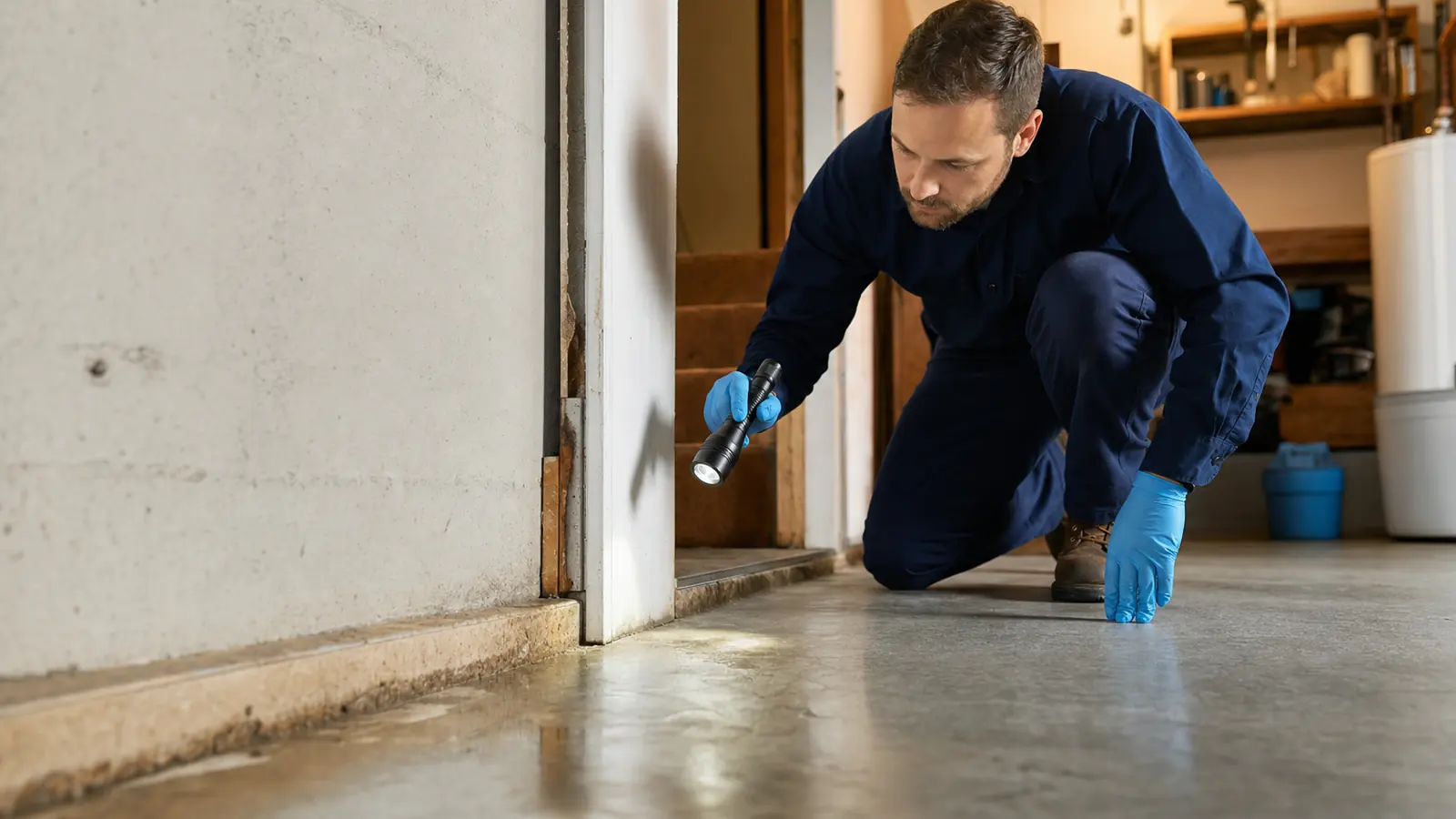
Provide safe access to visible foundation areas, crawl spaces, garages, plumbing penetrations, and other included structures.
Move storage away from walls where practical, unlock access points, secure pets, and identify areas with standing water or recent leaks. Leave suspected mud tubes, wings, frass, or damaged wood undisturbed. Homeowners seeing similar pressure can also review next practical guide before scheduling.
If an area cannot be entered safely, the report may need to note that limitation. Addressing access before the appointment is better than discovering the problem after the transaction deadline.
What this means for your home
- Practical takeaway: Provide safe access to visible foundation areas, crawl spaces, garages, plumbing penetrations, and other included structures.
- Point out water and repair history
Does this selling an upstate sc home: cl-100 checklist guide replace an inspection?
No. It explains what evidence to preserve and which questions to ask. A property-specific recommendation depends on the conditions documented during an inspection.
Talk to the Paladin office.
Ask about the next available appointment and what the inspection includes.
What happens if the report identifies a concern?
Ask for the exact location, evidence type, access limit, and recommended next step, then let the transaction professionals apply the contract.
Active pest treatment, repair of damaged material, moisture correction, and reinspection can involve different scopes. A pest-control report should not substitute for a structural opinion where one is needed. For a wider plan, pair this with residential pest control so the whole property is covered.
Keep every revised report, invoice, clearance, and repair record with the closing file. Oral assurances should be converted to written documents before the parties rely on them.
For additional non-commercial background, review Clemson Cooperative Extension subterranean termite guidance. Use that source alongside the evidence documented at the property.
A useful decision record for selling an upstate sc home: cl-100 checklist includes the date, exact room or exterior area, photographs, specimens when safe to collect, weather or moisture conditions, prior work, and every area that could not be inspected. Keep observations separate from conclusions. For example, a damaged material, insect wing, sound, or water mark is an observation; the pest identity, activity status, repair need, and treatment scope are conclusions that require the right inspection or qualified trade.
When comparing next steps for selling an upstate sc home: cl-100 checklist, ask each provider to connect the recommendation to a location and a documented finding. Request the preparation, treated areas, product or method, safety instructions, exclusions, homeowner duties, appointment process, and any follow-up language in writing. That record improves handoff between the homeowner, pest-control provider, closing professional, medical professional, or repair trade without turning an educational article into a promise about one property. This connects closely with related Paladin service when you are comparing next steps.
Before acting on this selling an upstate sc home: cl-100 checklist guide, separate identification, exposure, and property decisions. Identification asks what the evidence actually supports. Exposure asks who or what could contact the pest, damaged material, or proposed product. The property decision asks whether the next step belongs to pest control, cleaning, exclusion, moisture correction, structural repair, a real-estate professional, or medical advice. One provider may not own every part of that decision. Record the source you relied on, the date you checked it, and any limits stated by Clemson Cooperative Extension subterranean termite guidance. Then confirm current label directions, transaction requirements, or professional scope with the person responsible for that decision. This keeps a general article useful without turning it into a diagnosis, safety guarantee, contract term, or prediction for a specific address.
What this means for your home
- Practical takeaway: Ask for the exact location, evidence type, access limit, and recommended next step, then let the transaction professionals apply the contract.
- Separate treatment from repair
- The plan is adjusted for the home type and pest pressure instead of forcing a generic pest control checklist.
- Service notes should tell you what was found, what was treated, and what to watch for before the next visit.
- Documentation should summarize findings, treated areas, product locations where applicable, and the recommended follow-up plan.
Family-first by design
We ask who lives in the house before we pick a product
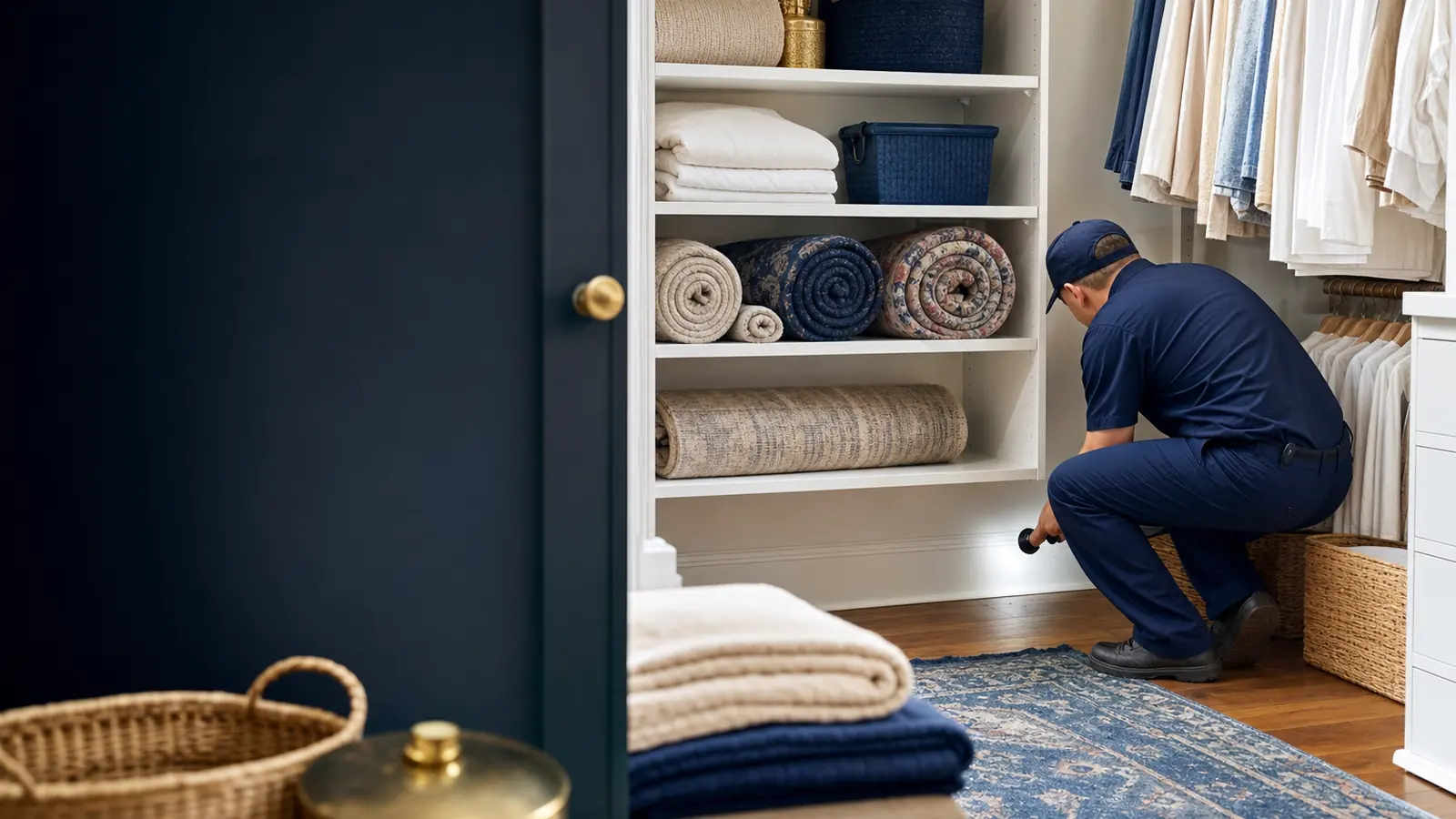
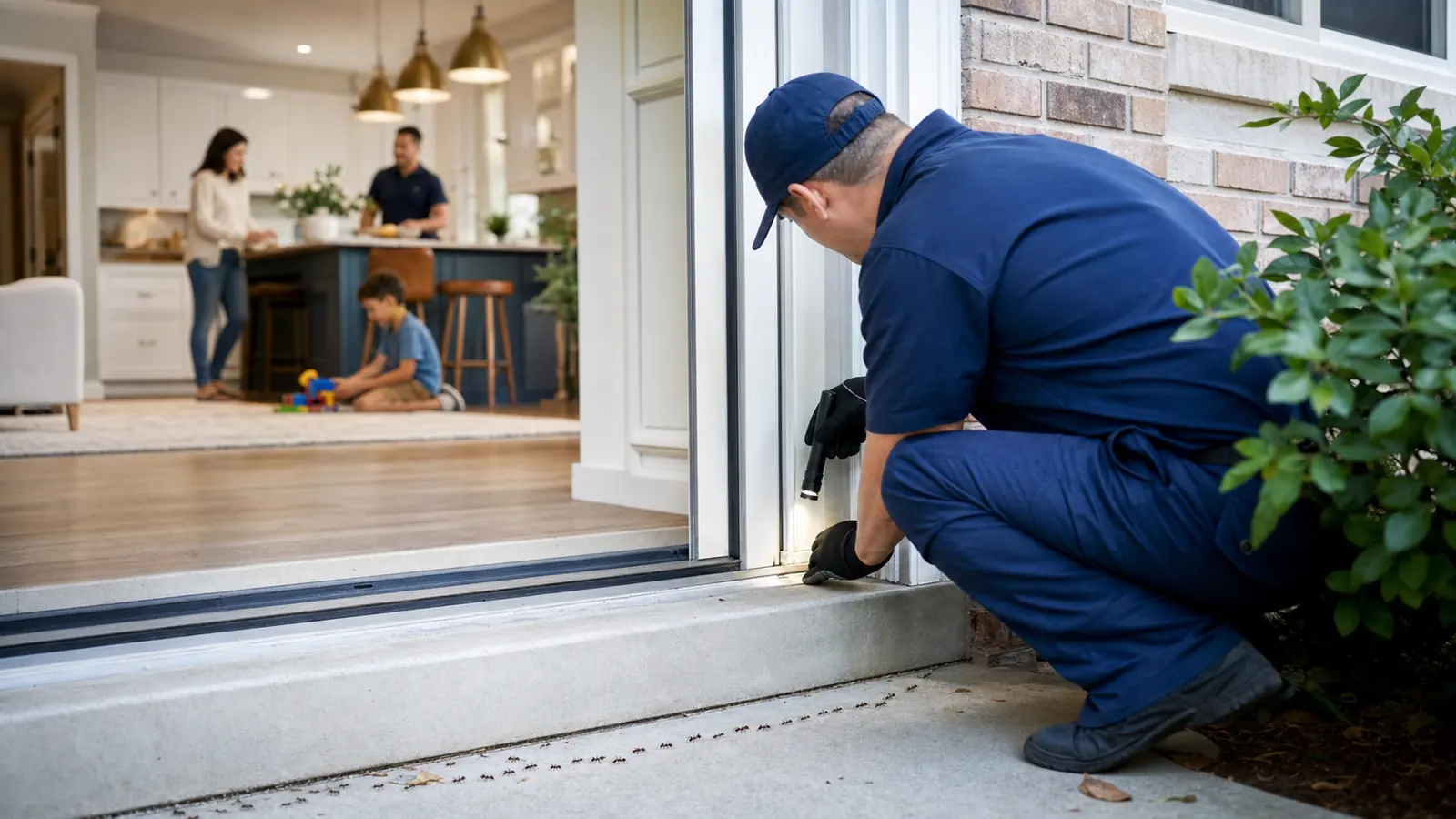
Babies, pregnancies, asthma, immune conditions, pet medical issues, garden beds, beehives, they all change the visit. Paladin treats harborage where pests live, not the surfaces kids and pets touch.
Every visit names what was used, where, and when the area is back to normal. If a different approach is the actual answer, we say so.
Why this post exists on the Paladin blog
This post was written by someone who actually does this work on Upstate homes, not by a contractor or a marketing team that has never seen the species in person. The Paladin blog exists to answer the questions we hear on real service calls, honestly, in plain English, without selling you a service you do not need. If a post helps you solve the problem on your own, that is a successful post for us. If you read it and decide you would rather have a trained technician on site, that is what the phone is for. Either path is fine.
A first Paladin visit is intended to document the activity, inspect relevant areas, and explain the proposed scope before work begins. Appointment timing and the exact inspection areas depend on the request and property access. Call (864) 816-7658 or use the contact form so the office can confirm the current options.
Paladin is based in Boiling Springs, SC and serves the approved Upstate locations listed on this site. Each recommendation should be tied to conditions documented at the property, including pest evidence, moisture, entry points, food, water, shelter, and access. The office confirms address availability without promising a route frequency or response window.
Keep exploring Paladin
Related Paladin services and guides for Upstate homeowners.
Frequently asked questions
How do I ask Paladin about selling an upstate sc home: cl-100 checklist?
Call (864) 816-7658, email info@paladinpestsolutions.com, or use the contact form. Describe what you observed and the office will confirm the next available appointment.
Ready to shield your family?
One call to Paladin and we’ll meet you where you are, from a quick walk-through to a long-term protection plan.