Upstate South Carolina · Practical, low-disruption pest work
Rodent Trapping in Boiling Springs, SC: When Trapping Is Only One Part of the Scope
Rodent Trapping in Boiling Springs, SC works best as part of a wider scope. It should pair with a review of activity zones, access points, and sanitation. Trapping alone rarely explains why rodents got inside. Adding entry review…
- Careful, targeted treatments built around your household
- Local Upstate route, real callbacks from our Spartanburg office
- Honest scoping, never a sales script
Quick Answer
Rodent Trapping in Boiling Springs, SC works best as part of a wider scope. It should pair with a review of activity zones, access points, and sanitation. Trapping alone rarely explains why rodents got inside. Adding entry review and monitoring gives homeowners a clearer picture of ongoing risk.
For the next step, compare rodent control and exclusion, read about rodent entry-point sealing, or check where Paladin works across Upstate SC.
Key Takeaways
- Trapping alone does not close off future rodent entry points.
- Activity zones help define where trap placement makes sense.
- Access review checks how rodents may be entering a home.
- Trap monitoring shows whether activity is rising or falling.
- Sanitation conditions can affect how long trapping stays effective.
- Verification steps confirm whether the scope needs to expand.
- Exclusion questions belong early in a rodent trapping talk.
When should a rodent service scope pair trapping with inspection and exclusion questions?
A rodent scope should pair trapping with inspection and exclusion questions when there are signs of repeat activity or several possible entry points. Trapping handles current activity. Inspection and exclusion questions explain why rodents keep coming back to the same spots.
Trapping alone can lower a visible rodent count for a while. It does not show how rodents got inside. It also does not stop new ones from following the same path. This connects closely with rodent control and exclusion when you are comparing next steps.
Homeowners in Boiling Springs, SC often spot droppings, gnaw marks, or nesting material first. These signs are useful starting points. They give a service provider something concrete to discuss.
Asking about inspection and exclusion at the same time as trapping sets realistic expectations. It shifts the talk from removing a few rodents to reducing future access. For a wider plan, pair this with Upstate SC service areas so the whole property is covered.
A scope built only on trapping can leave open questions about the property. Pairing trapping with inspection gives homeowners a fuller picture.
What this means for your home
- Boiling Springs service is adjusted to the home style, season, and pressure pattern instead of using the same checklist everywhere.
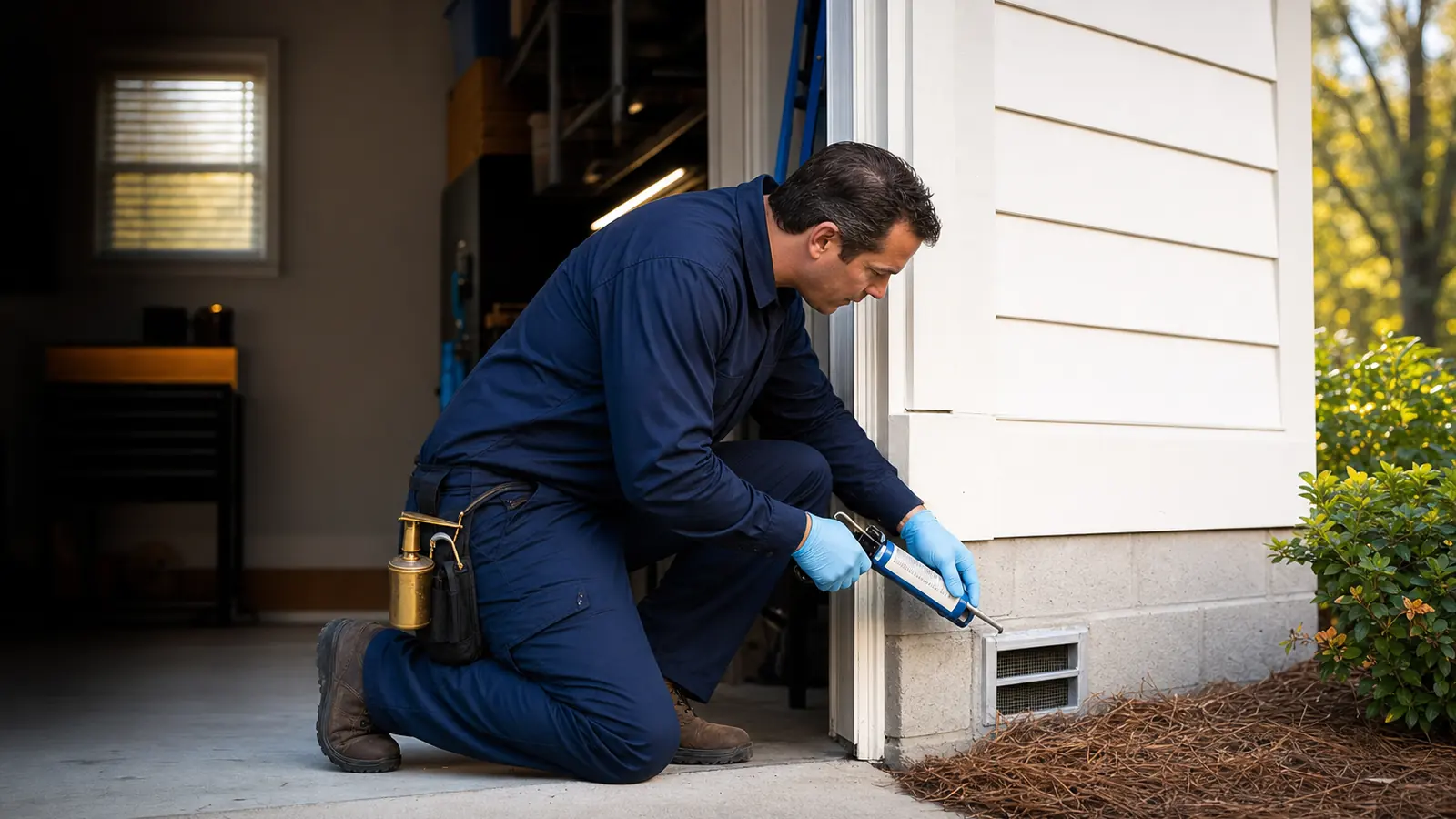
How does an activity-zone review shape a rodent trapping plan?
An activity-zone review finds the areas where rodent movement, droppings, or nesting signs cluster most. This helps a trapping plan focus effort where it matters. It keeps limited resources from spreading thin across a whole structure with no clear direction.
Activity zones usually show up through visual signs, not guesswork. Droppings, rub marks, and chewed materials tend to cluster near travel paths. Homeowners seeing similar pressure can also review rodent entry-point sealing before scheduling.
A homeowner can note these zones by writing down the general location and any patterns. Activity near a garage, attic, or crawl space is a common example. This information helps during a service talk.
Reviewing activity zones is not the same as a full inspection. It does give an early sense of where attention may be needed. It also sets clearer expectations for what trapping alone can do. This connects closely with requesting service from Paladin when you are comparing next steps.
When zones show up in several parts of a home, this often points to access issues. That is usually a sign that trapping alone will not be enough.
What this means for your home
- Boiling Springs service is adjusted to the home style, season, and pressure pattern instead of using the same checklist everywhere.
Does rodent trapping in Boiling Springs, SC always need to include exclusion?
Not always, but many properties benefit from a scope that considers both. If access points are limited or unclear, exclusion questions help confirm whether trapping alone fits the situation.
Talk to the Paladin office.
Ask about the next available appointment and what the inspection includes.
Which access points deserve attention before or during trapping?
Gaps around utility lines, foundation vents, and roofline junctions deserve early attention during a rodent scope review. Reviewing these spots alongside trapping helps homeowners understand a key risk factor. New rodents could keep entering even after current activity gets addressed through trapping alone.
Rodents can use very small gaps to move between outside and inside. Utility penetrations, vents, and spots where building materials meet are common points of interest. For a wider plan, pair this with mouse control so the whole property is covered.
A simple walk around the home can turn up visible gaps, damaged screens, or worn weather stripping. This step needs no tools beyond a flashlight and a notepad.
Writing down these spots, or taking photos, gives a service provider a clear starting point. It also helps a homeowner track whether conditions change over time. Homeowners seeing similar pressure can also review rodent control and exclusion before scheduling.
Access point review is separate from sealing work itself. It is simply the observation step that shows whether exclusion belongs in the scope.
What this means for your home
- Boiling Springs service is adjusted to the home style, season, and pressure pattern instead of using the same checklist everywhere.
Why does trap monitoring matter after initial placement?
Trap monitoring shows whether rodent activity is falling, holding steady, or growing over time after placement begins. Without it, a homeowner has no clear way to know whether trapping is actually working. Monitoring also shows when the current scope needs a second, closer look.
Monitoring means checking traps on a regular basis. It also means writing down what is found, such as no activity, some activity, or continued activity. This connects closely with Upstate SC service areas when you are comparing next steps.
A simple log with dates and short notes can reveal patterns fast. Repeated activity in one spot over several checks often points to an ongoing entry issue.
Monitoring also cuts down on guesswork. Instead of assuming a problem is solved, a homeowner or provider can look at real notes over a set period. For a wider plan, pair this with rodent entry-point sealing so the whole property is covered.
When monitoring shows no real change, that is often the point to revisit the scope. Exclusion or a deeper inspection may need to be added.
What this means for your home
- Boiling Springs service is adjusted to the home style, season, and pressure pattern instead of using the same checklist everywhere.
What should a professional rodent trapping inspection document?
A professional rodent trapping inspection should record activity zones, visible access points, sanitation conditions, and any related structural features found. This record gives the homeowner and provider a shared reference to work from. It supports a clearer talk about scope and reasonable next steps going forward.
Documentation usually includes notes on where activity signs turned up and how widespread they seem. Photos can back up these notes when they are available. Homeowners seeing similar pressure can also review requesting service from Paladin before scheduling.
Access points found during the inspection should also get recorded, even if sealing is not part of the current scope. This builds a record for later use.
Sanitation conditions matter too. Accessible food sources or clutter that could support nesting are worth noting, since they can affect how long trapping results hold. This connects closely with mouse control when you are comparing next steps.
A written or photographed record beats relying on memory alone. It also supports a better conversation if the scope needs to grow later.
What this means for your home
- Boiling Springs service is adjusted to the home style, season, and pressure pattern instead of using the same checklist everywhere.
Which findings can change the rodent trapping service scope?
Findings such as several active entry points, activity spread across many zones, or ongoing sanitation issues can change the service scope entirely. These findings often mean trapping alone will not fix the root reason rodents keep returning to the same property.
If an inspection turns up several possible entry points instead of one, the scope may need to shift. Exclusion work alongside trapping often becomes the better path. For a wider plan, pair this with rodent control and exclusion so the whole property is covered.
Widespread activity across a home, such as both an attic and a crawl space, can point to a bigger pattern. A single trapping effort was not built to handle that scale.
Ongoing sanitation issues, like open pet food or unsecured trash, can undercut trapping results even when access points get sealed. These conditions are worth raising directly. Homeowners seeing similar pressure can also review requesting service from Paladin before scheduling.
When any of these findings show up, revisiting the scope early can save time. It beats repeating trapping efforts without fixing root causes.
What this means for your home
- Boiling Springs service is adjusted to the home style, season, and pressure pattern instead of using the same checklist everywhere.
Should sanitation conditions be reviewed alongside a trapping scope?
Sanitation conditions should be reviewed alongside a trapping scope whenever possible. Accessible food and clutter can keep drawing rodents even after trapping handles current activity. Checking these conditions gives a fuller picture of why a property keeps facing repeat issues over time.
Sanitation review is not about placing blame. It is a practical step that helps explain what may be drawing rodents to one part of a property. This connects closely with rodent entry-point sealing when you are comparing next steps.
Common conditions include open pet food, unsecured trash containers, and stored items that create hiding spots. Noting these during an inspection helps connect them to observed activity zones.
A homeowner can check these conditions before a service visit. A walk through storage areas, garages, and outdoor spaces is a good place to start. For a wider plan, pair this with rodent control and exclusion so the whole property is covered.
When sanitation gets addressed alongside trapping and exclusion, the overall scope becomes more complete. It also becomes easier to judge results over time.
What this means for your home
- Boiling Springs service is adjusted to the home style, season, and pressure pattern instead of using the same checklist everywhere.
How can homeowners verify a rodent trapping scope is complete?
Homeowners can verify a complete scope by checking whether activity zones, access points, monitoring results, and sanitation conditions were all covered in the findings. A full scope looks at each of these areas closely rather than leaning on trapping by itself alone.
Verification starts by comparing the original inspection notes to what actually got addressed during service. Any gaps between the two are worth asking about directly. Homeowners seeing similar pressure can also review mouse control before scheduling.
Looking back at monitoring logs over time helps confirm whether trapping results are holding steady rather than fading after a short spell.
Checking whether identified access points came up in the conversation is another useful step, even if sealing was handled through separate exclusion work. This connects closely with rodent entry-point sealing when you are comparing next steps.
A homeowner who keeps a simple record of zones, access points, and monitoring dates has a real tool. It supports better questions during any follow up talk.
What this means for your home
- Boiling Springs service is adjusted to the home style, season, and pressure pattern instead of using the same checklist everywhere.
Rodent control in the Upstate
Seal the entry, set the right trap, then prevent the next migration
Most rodent problems trace back to a gap you can fit a pencil through. We walk the exterior envelope first and identify entry points before we set a single trap.
Inside, traps go on the actual runway. Exterior bait stations live in tamper-resistant housings. We schedule the re-visit before we leave so we catch the second wave.
Why this post exists on the Paladin blog
This post was written by someone who actually does this work on Upstate homes, not by a contractor or a marketing team that has never seen the species in person. The Paladin blog exists to answer the questions we hear on real service calls, honestly, in plain English, without selling you a service you do not need. If a post helps you solve the problem on your own, that is a successful post for us. If you read it and decide you would rather have a trained technician on site, that is what the phone is for. Either path is fine.
A first Paladin visit is intended to document the activity, inspect relevant areas, and explain the proposed scope before work begins. Appointment timing and the exact inspection areas depend on the request and property access. Call (864) 816-7658 or use the contact form so the office can confirm the current options.
Paladin is based in Boiling Springs, SC and serves the approved Upstate locations listed on this site. Each recommendation should be tied to conditions documented at the property, including pest evidence, moisture, entry points, food, water, shelter, and access. The office confirms address availability without promising a route frequency or response window.
Keep exploring Paladin
Related Paladin services and guides for Upstate homeowners.
- See the full rodent program at Paladin
- Mouse control and trap placement
- Rat control with exterior bait stations
- Rodent entry-point exclusion
- Kids, pets, and rodent treatment safety
- Rodent entry-point and exclusion guides
- Find a city near you on our Upstate route
- Tell Paladin what you are seeing and ask about current availability
Frequently asked questions
What is the difference between rodent trapping and rodent exclusion?
Rodent trapping focuses on current activity inside or near a structure. Rodent exclusion focuses on finding and closing the access points that let rodents enter in the first place. Many scopes work better when both get considered together, since one addresses the visible problem and the other addresses the cause.
How long should trap monitoring continue after placement?
Monitoring timelines vary by property and by the activity levels seen at the start. A homeowner or provider usually keeps checking traps and recording results until a clear trend appears, whether that trend is falling activity, steady activity, or activity that keeps rising over time.
Can sanitation conditions really affect rodent trapping results?
Yes, sanitation conditions such as open food sources or clutter can keep attracting rodents even after trapping handles existing activity. Reviewing these conditions alongside trapping gives homeowners a more complete picture of the ongoing risk factors tied to a property.
What should I document before contacting a rodent service provider?
Useful documentation includes notes on where activity signs were seen, any visible gaps or possible access points, and general sanitation conditions around the property. Photos paired with short written notes both support a clearer and more informed first conversation with a provider.
Why would a rodent trapping scope expand to include an inspection?
A scope often expands to include inspection when trapping alone does not resolve the activity, or when several zones and access points seem to be involved. Inspection findings help clarify whether trapping by itself actually matches the real scale of the situation on the property.
Ready to shield your family?
One call to Paladin and we’ll meet you where you are, from a quick walk-through to a long-term protection plan.