Upstate South Carolina · Pest control for homes with kids and pets
Rodent Exclusion in Boiling Springs, SC: How to Compare Repair Scopes
Rodent Exclusion in Boiling Springs, SC is easiest to compare when each proposal lists mapped openings, the materials used at each spot, access constraints, sequencing with any removal work, and a plan to verify repairs…
- Low-disruption applications focused on cracks, voids, and entry points
- Reachable techs, text us, call us, we answer
- Quarterly programs or one-time visits, your call
Quick Answer
Rodent Exclusion in Boiling Springs, SC is easiest to compare when each proposal lists mapped openings, the materials used at each spot, access constraints, sequencing with any removal work, and a plan to verify repairs afterward. Ask for these five items in writing before choosing a scope.
For the next step, compare rodent control and exclusion, read about rodent entry-point sealing, or check where Paladin works across Upstate SC.
Key Takeaways
- Ask for a written list of every mapped opening on the home.
- Compare materials proposed for each entry point, item by item.
- Confirm how access constraints like crawl spaces are handled.
- Check whether sealing is sequenced correctly with removal steps.
- Request a plan for verifying repairs after work is done.
- Use a simple matrix to line up competing proposals side by side.
- Keep pesticide and trapping details separate from exclusion scope talk.
How should a homeowner start comparing rodent exclusion repair scopes?
Start by asking each provider to walk the exterior and interior access points and produce a written list of findings. A usable scope names specific locations rather than a general summary. This gives you a baseline document you can lay next to another proposal for a fair comparison.
Before comparing prices or timelines, get the basics right. A repair scope should read like a checklist tied to specific spots on the home. Vague language like sealing as needed makes comparison difficult. This connects closely with rodent control and exclusion when you are comparing next steps.
Walk the property with the person preparing the proposal if you can. Note where they point out gaps, vents, or utility penetrations. This helps you confirm the scope reflects what they actually observed.
Ask for the list in writing before work begins. A written scope protects both sides and gives you something concrete to reference if you talk with more than one provider. For a wider plan, pair this with Upstate SC service areas so the whole property is covered.
For structure, the commercial rodent exclusion page at /rodent-exclusion/ outlines how a scoped project is generally organized, which is a useful reference point when reading proposals.
What this means for your home
- Boiling Springs service is adjusted to the home style, season, and pressure pattern instead of using the same checklist everywhere.
- repair scope comparison
- Practical takeaway: Start by asking each provider to walk the exterior and interior access points and produce a written list of findings.
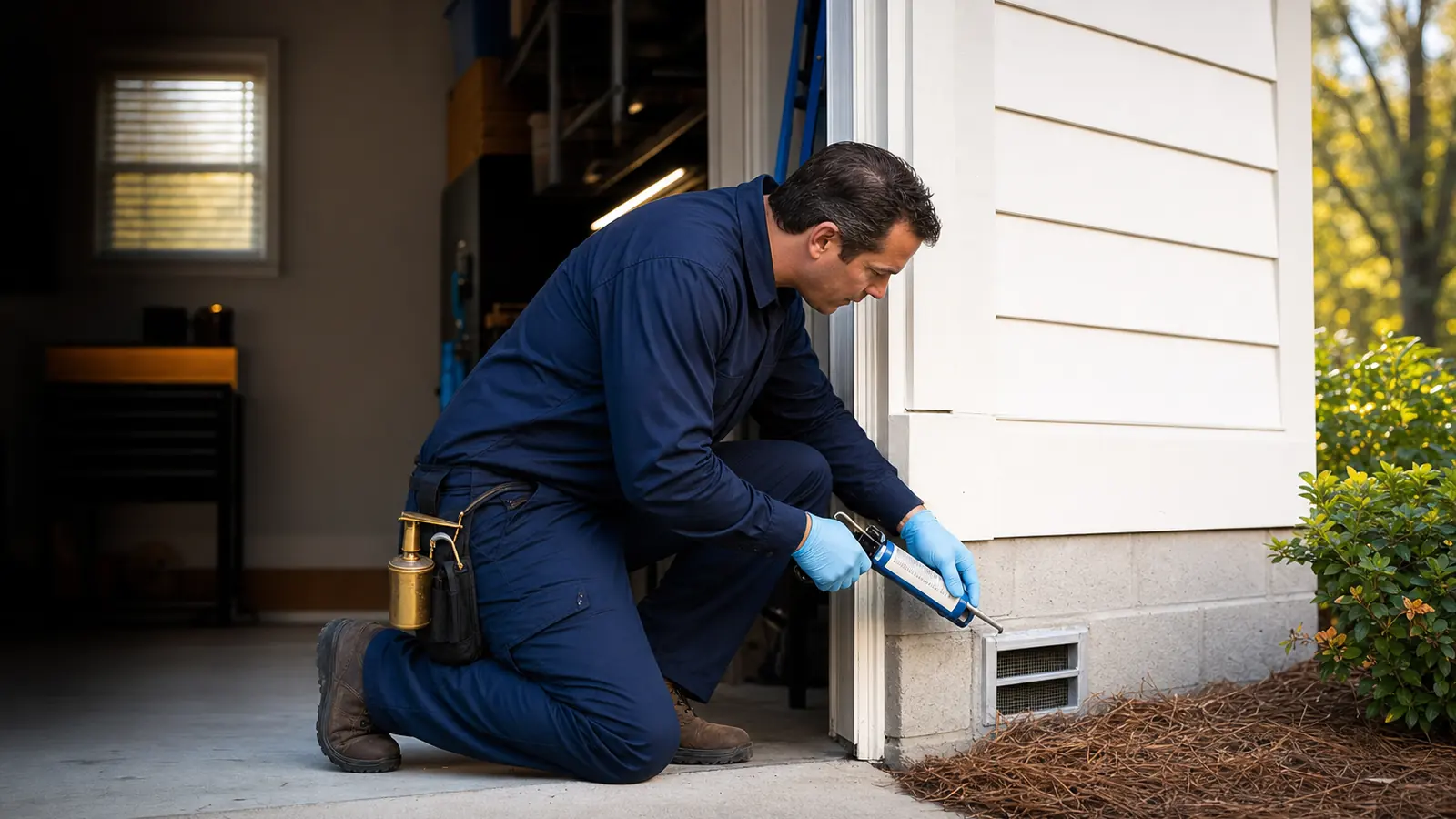
What should a rodent exclusion scope list?
A complete scope should list every mapped opening, the size and location of each one, the material proposed for sealing it, and any area needing special access equipment. It should separate exterior work from interior work so nothing gets missed or double counted.
A strong scope breaks the home into zones, such as foundation, roofline, and utility penetrations. Each zone should have its own notes rather than one blanket statement covering the whole structure. Homeowners seeing similar pressure can also review rodent entry-point sealing before scheduling.
Materials matter as much as locations. Ask what will be used at each spot, whether it is metal mesh, sealant, or a rigid patch, so you can compare quality across proposals.
Look for a note on interior access points too, like around plumbing or HVAC lines. Exterior-only scopes can leave gaps that matter just as much for a complete job. This connects closely with requesting service from Paladin when you are comparing next steps.
The entry-point sealing page at /rodent-entry-point-sealing/ gives a general sense of how sealing work is typically categorized, which can help you read a scope more critically.
What this means for your home
- Practical takeaway: A complete scope should list every mapped opening, the size and location of each one, the material proposed for sealing it, and any area needing special access equipment.
What is the fastest way to compare two rodent exclusion proposals?
Build a simple matrix listing openings, materials, access notes, and verification steps for each proposal. Lining these details up side by side makes gaps or vague language easy to spot before you decide.
Ready for a straight answer?
Call or message, we'll listen first and recommend only what fits your home.
Which access constraints change a repair scope?
Crawl spaces, attics, tight rooflines, and dense landscaping can all limit how a repair is performed. A scope should note where access is difficult and how that affects the sealing method chosen for that location, since these constraints often shape the overall timeline and approach.
Not every opening is easy to reach. A gap under a deck or behind thick shrubs may need different handling than an opening at eye level on a wall. For a wider plan, pair this with mouse control so the whole property is covered.
Ask whether any areas require special equipment or extra time due to limited access. This should be spelled out rather than left as an assumption in the scope.
Attic and crawl space access often gets treated differently than exterior wall work. Confirm the proposal addresses both if your home has these spaces. Homeowners seeing similar pressure can also review rodent control and exclusion before scheduling.
Comparing how two providers describe access constraints can reveal how carefully they inspected the property, which is useful information beyond the price alone.
What this means for your home
- Practical takeaway: Crawl spaces, attics, tight rooflines, and dense landscaping can all limit how a repair is performed.
When should sealing happen relative to removal?
Sealing typically follows any removal work so animals already inside are not trapped behind new material. A scope should describe this order in general terms, since a clear sequence often signals that a provider planned the project carefully rather than treating each phase separately.
Sequencing is a detail that separates a thoughtful scope from a rushed one. If removal is part of the project, sealing usually comes after that phase is addressed. This connects closely with Upstate SC service areas when you are comparing next steps.
Ask how the provider plans to coordinate these steps. You do not need technical details, just a clear statement of which comes first and why.
This is not the place to expect specifics on trapping methods or animal handling. Those decisions belong to the professionals doing the work and fall outside a homeowner comparison checklist. For a wider plan, pair this with rodent entry-point sealing so the whole property is covered.
A scope that mentions sequencing at all is generally more thorough than one that treats sealing as a single, isolated task.
What this means for your home
- Practical takeaway: Sealing typically follows any removal work so animals already inside are not trapped behind new material.
How should repaired openings be checked?
A scope should include a follow-up step where sealed openings are checked for gaps, movement, or new activity. Ask what this check involves and roughly when it happens relative to the main repair work, so you know what to expect once the project wraps up.
Verification is often the most overlooked part of a proposal. Without it, there is no way to know whether the repairs held up over time. Homeowners seeing similar pressure can also review requesting service from Paladin before scheduling.
Ask specifically how the check will be performed. A simple visual review of each sealed point is a reasonable baseline to expect in most scopes.
Timing matters too. Some providers check shortly after the work, while others build it into a broader follow-up visit. Either can work, but the plan should be stated. This connects closely with mouse control when you are comparing next steps.
Documentation from this step, even a short written note, gives you a record to reference if questions come up later about a specific opening.
What this means for your home
- post repair verification check
- Follow-up visits confirm whether the rodent control activity is dropping and whether any new entry points or pressure signs appeared.
- Documentation should summarize findings, treated areas, product locations where applicable, and the recommended follow-up plan.
Why does a repair-scope matrix make proposals easier to compare?
A matrix lines up each provider's findings, materials, access notes, and verification steps in one table. This turns vague sealing language into a side-by-side comparison, making gaps in coverage or missing detail easier to spot before you commit to a proposal or provider.
When you have two or three proposals in hand, plain paragraphs are hard to compare fairly. A matrix format forces every category into its own row or column. For a wider plan, pair this with rodent control and exclusion so the whole property is covered.
List openings down one side and providers across the top. Fill in materials, access notes, and sequencing for each cell so gaps in a proposal become obvious.
This method also highlights inconsistent detail. If one provider lists five openings and materials for each while another gives a single general statement, the matrix makes that difference visible immediately. Homeowners seeing similar pressure can also review requesting service from Paladin before scheduling.
A matrix does not replace judgment, but it does organize the facts so your decision rests on comparable information rather than impressions.
What this means for your home
- repair scope matrix comparison
- Practical takeaway: A matrix lines up each provider's findings, materials, access notes, and verification steps in one table.
Should exclusion work follow a broader pest management approach?
Yes, exclusion works best as one part of a broader integrated approach that also considers inspection and monitoring. The EPA describes integrated pest management as a strategy combining several methods, and exclusion fits naturally into that structure alongside those other steps.
Sealing openings is one piece of a larger picture. Inspection, monitoring, and exclusion together tend to produce a more complete approach than sealing alone. This connects closely with rodent entry-point sealing when you are comparing next steps.
The EPA's integrated pest management principles describe combining methods rather than relying on a single tactic. This framework is a helpful lens when evaluating any pest-related proposal.
Ask whether the proposal you are reviewing mentions inspection or monitoring alongside the sealing work. A scope that only addresses openings may be missing part of the picture. For a wider plan, pair this with rodent control and exclusion so the whole property is covered.
Reviewing this kind of framework can help you ask sharper questions of any provider, regardless of which one you eventually choose.
What this means for your home
- Practical takeaway: Yes, exclusion works best as one part of a broader integrated approach that also considers inspection and monitoring.
Can a homeowner document findings before requesting a scope?
Yes, homeowners can note visible gaps, droppings, or chewed material and take dated photos before contacting a provider. This documentation helps a provider prepare a more accurate scope and gives you a record to compare against the final written proposal once it arrives.
Simple observation goes a long way. Walk the exterior in daylight and note any obvious gaps around vents, pipes, or the roofline. Homeowners seeing similar pressure can also review mouse control before scheduling.
Photos with a visible date stamp are useful. They create a record you can reference later if a proposal seems to miss something you noticed earlier.
Avoid trying to identify species or diagnose the extent of any issue yourself. That kind of assessment belongs to the professionals who will prepare the actual scope. This connects closely with rodent entry-point sealing when you are comparing next steps.
Bring your notes and photos to the conversation. This can speed up the walkthrough and help the provider give you a more specific written scope.
What this means for your home
- Documentation should summarize findings, treated areas, product locations where applicable, and the recommended follow-up plan.
- Practical takeaway: Yes, homeowners can note visible gaps, droppings, or chewed material and take dated photos before contacting a provider.
- The plan is adjusted for the home type and pest pressure instead of forcing a generic rodent control checklist.
Rodent control in the Upstate
Seal the entry, set the right trap, then prevent the next migration
Most rodent problems trace back to a gap you can fit a pencil through. We walk the exterior envelope first and identify entry points before we set a single trap.
Inside, traps go on the actual runway. Exterior bait stations live in tamper-resistant housings. We schedule the re-visit before we leave so we catch the second wave.
Why this post exists on the Paladin blog
This post was written by someone who actually does this work on Upstate homes, not by a contractor or a marketing team that has never seen the species in person. The Paladin blog exists to answer the questions we hear on real service calls, honestly, in plain English, without selling you a service you do not need. If a post helps you solve the problem on your own, that is a successful post for us. If you read it and decide you would rather have a trained technician on site, that is what the phone is for. Either path is fine.
A first Paladin visit is intended to document the activity, inspect relevant areas, and explain the proposed scope before work begins. Appointment timing and the exact inspection areas depend on the request and property access. Call (864) 816-7658 or use the contact form so the office can confirm the current options.
Paladin is based in Boiling Springs, SC and serves the approved Upstate locations listed on this site. Each recommendation should be tied to conditions documented at the property, including pest evidence, moisture, entry points, food, water, shelter, and access. The office confirms address availability without promising a route frequency or response window.
Keep exploring Paladin
Related Paladin services and guides for Upstate homeowners.
- See the full rodent program at Paladin
- Mouse control and trap placement
- Rat control with exterior bait stations
- Rodent entry-point exclusion
- Kids, pets, and rodent treatment safety
- Rodent entry-point and exclusion guides
- Find a city near you on our Upstate route
- Tell Paladin what you are seeing and ask about current availability

Frequently asked questions
How can a homeowner compare rodent exclusion repair scopes in Boiling Springs, SC?
Request a written scope from each provider listing mapped openings, materials, access notes, and a verification plan. Lay these documents side by side or in a matrix so you can compare specific details instead of general impressions or price alone.
What should a rodent exclusion scope list for a home?
A thorough scope lists every mapped opening by location, the material planned for each one, and notes on interior versus exterior work. It should also mention any areas with limited access and how those will be handled during the project.
When should sealing happen relative to rodent removal?
Sealing generally happens after removal steps are addressed so nothing is trapped inside once openings are closed. A scope should state this order clearly in writing, though specific removal methods remain decisions for the professionals performing that particular part of the overall project.
How should repaired openings be checked after rodent exclusion work?
Ask whether the provider includes a follow-up review of each sealed opening to confirm it held up over time. This can be a simple visual check, but it should be part of the written scope rather than assumed or left undocumented entirely.
Does a repair-scope matrix replace a home visit?
No, a matrix is a comparison tool, not a substitute for an on-site look at the property. It organizes information from written proposals so you can evaluate them fairly once a provider has assessed the home in person and shared findings.
Ready to shield your family?
One call to Paladin and we’ll meet you where you are, from a quick walk-through to a long-term protection plan.