Upstate South Carolina · Practical, low-disruption pest work
Rodent Baiting in Boiling Springs, SC: Questions About Placement Planning and Monitoring
Before you hire for rodent baiting in Boiling Springs, SC, ask a few key questions. Ask how deep the inspection goes. Ask why each zone was picked. Ask who checks for pets nearby. Also ask about visit timing, entry points, and…
- Treatments built around how your family actually uses the home
- Local dispatch from Spartanburg across the Upstate
- If a visit isn't needed, we'll say so on the phone
Quick Answer
Before you hire for rodent baiting in Boiling Springs, SC, ask a few key questions. Ask how deep the inspection goes. Ask why each zone was picked. Ask who checks for pets nearby. Also ask about visit timing, entry points, and records kept. Clear answers help you compare providers side by side.
For the next step, compare rodent control and exclusion, read about rodent entry-point sealing, or check where Paladin works across Upstate SC.
Key Takeaways
- Ask how the inspection finds activity zones first.
- Request a plain explanation of placement zone choices.
- Confirm how pets and non-target risks get handled.
- Ask about visit frequency and scope-change triggers.
- Request written notes on entry points found on-site.
- Ask what records get kept after each visit.
- Confirm how home access gets arranged ahead of time.
What Should a Property Owner Ask About the Initial Inspection?
Ask what areas the inspection covers. Ask how signs of activity get found. Ask for findings explained in plain terms. A full check looks at indoor and outdoor zones. It notes conditions that may draw rodents. This gives you a clear picture before any baiting plan gets proposed.
A multi-point inspection usually covers the inside and outside of a home. Ask if it includes attics, crawl spaces, and utility rooms. Ask about outer walls too. This connects closely with rodent control and exclusion when you are comparing next steps.
Ask that findings get explained in plain words. You should know what was seen. You should know why it matters to the plan.
Ask how long the inspection takes. Ask if photos or notes get shared. This record becomes the base for placement planning later. For a wider plan, pair this with Upstate SC service areas so the whole property is covered.
What this means for your home
- Boiling Springs service is adjusted to the home style, season, and pressure pattern instead of using the same checklist everywhere.
- Practical takeaway: Ask what areas the inspection covers.
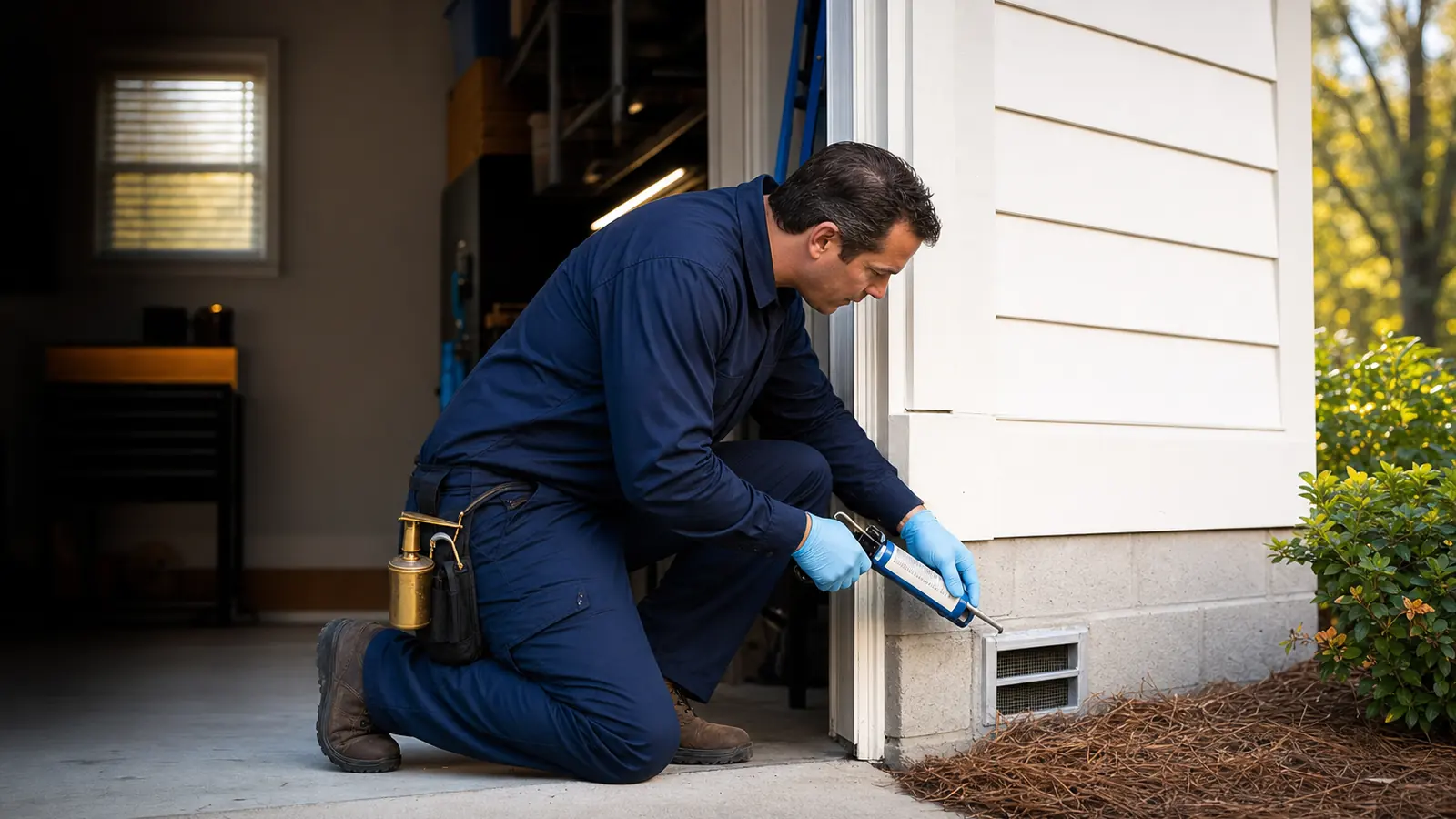
How Should Placement Zone Planning Be Explained to You?
Placement zone planning should use simple terms. Think exterior corners or interior utility spaces. You do not need bait station details to follow along. Ask why certain zones get picked. Ask how they tie back to inspection findings. This way the plan makes sense before work starts.
A sound plan links each zone back to something seen during inspection. Ask for that link to be spelled out. It should not be assumed. Homeowners seeing similar pressure can also review rodent entry-point sealing before scheduling.
Placement zones often relate to travel paths along walls or structures. They are not random spots. Knowing this helps you see why some areas get priority.
You do not need application steps to judge a plan. Focus your questions on the reasoning and general spots instead. This connects closely with requesting service from Paladin when you are comparing next steps.
What this means for your home
- Boiling Springs service is adjusted to the home style, season, and pressure pattern instead of using the same checklist everywhere.
- Practical takeaway: Placement zone planning should use simple terms.
What should I ask before starting a rodent baiting program in Boiling Springs, SC?
Ask about inspection scope, placement zone reasons, non-target care, and visit frequency. These questions help you see the plan before work starts. They also give you a way to compare providers on more than ease alone.
Prefer to skip the guessing?
We'll identify the pest, point out conditions, and quote what's actually needed.
Which Non-Target Concerns Should You Raise Before Baiting Begins?
Raise concerns about pets, kids, and wildlife that use your yard. Ask how these factors shape the plan. A provider should discuss how spots get chosen with your household in mind. You do not need product details to get clear, useful answers.
If pets roam your yard or garden, mention this early. It gives the provider useful context for how zones might get placed. For a wider plan, pair this with mouse control so the whole property is covered.
Ask if outdoor spaces, like patios or play areas, came up in the talk. This shows the plan fits your daily routines.
You can also ask general questions about non-target wildlife. Public safety guidance can offer helpful context here. Homeowners seeing similar pressure can also review rodent control and exclusion before scheduling.
What this means for your home
- non-target concerns rodent baiting
- Family and pet awareness means we explain treated areas, re-entry timing, and simple prep steps before work begins.
How Often Should Monitoring Visits Occur?
Ask how often visits get set on the calendar. Ask what happens during each visit. Visit frequency can shift based on the property. It can also shift based on what the inspection found. A clear answer helps you know what to expect over time.
Monitoring is not a one-time event. Ask how the schedule gets built. Ask if it can shift based on what gets seen over time. This connects closely with Upstate SC service areas when you are comparing next steps.
During each visit, ask what will get checked and noted. Steady checks help track if activity changes in the zones found earlier.
If your schedule needs some give, ask how visit timing gets matched to your free time. Clear talk here keeps things running smoothly. For a wider plan, pair this with rodent entry-point sealing so the whole property is covered.
What this means for your home
- Practical takeaway: Ask how often visits get set on the calendar.
- Boiling Springs service is adjusted to the home style, season, and pressure pattern instead of using the same checklist everywhere.
What Should a Professional Rodent Baiting Inspection Document?
An inspection should note signs of activity that were seen. It should list likely entry points. It should also record nearby conditions that may matter. Ask for this in writing. This gives you a reference point for later visits and any shift in scope.
Notes often cover where activity signs were seen. They also cover the general state of the outer walls. Ask if photos come with the written notes. Homeowners seeing similar pressure can also review requesting service from Paladin before scheduling.
Entry point notes matter for this record. Ask how these get described. Ask if sealing work gets talked about apart from baiting.
Keep a copy of this first record. It becomes a useful base when you check it against notes from later visits. This connects closely with mouse control when you are comparing next steps.
What this means for your home
- Documentation should summarize findings, treated areas, product locations where applicable, and the recommended follow-up plan.
- Practical takeaway: An inspection should note signs of activity that were seen.
Which Findings Can Change the Rodent Baiting Service Scope?
New signs of activity can shift the scope. So can more entry points or changing site conditions. Ask how these shifts get shared with you. Ask if you get asked before any change to the first plan. This keeps things clear from start to finish.
A property is not fixed in place. Conditions can shift between visits. Ask how the provider deals with new finds outside the first inspection. For a wider plan, pair this with rodent control and exclusion so the whole property is covered.
If entry points show up later that were not seen at first, ask how this gets handled. Ask how it gets written down going forward.
Knowing how scope shifts work ahead of time helps stop surprises later. Ask for this to be laid out clearly before work starts. Homeowners seeing similar pressure can also review requesting service from Paladin before scheduling.
What this means for your home
- Practical takeaway: New signs of activity can shift the scope.
Should You Ask How Property Access Will Be Coordinated?
Yes, ask how access to indoor and outdoor spots gets arranged. This matters for both inspection and monitoring visits. Clear access plans cut down on mix-ups. They also help each visit go smoothly. This avoids extra back and forth between you and the provider.
Some spots, like crawl spaces or locked gates, may need notice ahead of time. Ask what needs to be open or open before each visit. This connects closely with rodent entry-point sealing when you are comparing next steps.
If you have pets, ask if they need to be put away during visits. This small step helps visits go well for everyone.
Confirm who to reach if your plans change. A clear contact point stops missed visits and keeps the schedule on track. For a wider plan, pair this with rodent control and exclusion so the whole property is covered.
What this means for your home
- Practical takeaway: Yes, ask how access to indoor and outdoor spots gets arranged.
What Records Should You Keep After Each Monitoring Visit?
Keep notes or reports from each monitoring visit. Note what was seen. Compare it to the last visit. Ask if the provider gives a visit summary each time. This record helps if you want to track activity trends over several months.
A simple visit log helps you track if things get better or stay the same. Ask if this comes on its own or if you need to ask for it. Homeowners seeing similar pressure can also review mouse control before scheduling.
If entry points got sealed apart from baiting, note when that work took place. This helps you tie shifts in activity to changes on the property.
Over time, these records give you a clearer view. You will see how the rodent baiting program works on your own property. This connects closely with rodent entry-point sealing when you are comparing next steps.
What this means for your home
- Practical takeaway: Keep notes or reports from each monitoring visit.
- Documentation should summarize findings, treated areas, product locations where applicable, and the recommended follow-up plan.
Rodent control in the Upstate
Seal the entry, set the right trap, then prevent the next migration
Most rodent problems trace back to a gap you can fit a pencil through. We walk the exterior envelope first and identify entry points before we set a single trap.
Inside, traps go on the actual runway. Exterior bait stations live in tamper-resistant housings. We schedule the re-visit before we leave so we catch the second wave.
Why this post exists on the Paladin blog
This post was written by someone who actually does this work on Upstate homes, not by a contractor or a marketing team that has never seen the species in person. The Paladin blog exists to answer the questions we hear on real service calls, honestly, in plain English, without selling you a service you do not need. If a post helps you solve the problem on your own, that is a successful post for us. If you read it and decide you would rather have a trained technician on site, that is what the phone is for. Either path is fine.
A first Paladin visit is intended to document the activity, inspect relevant areas, and explain the proposed scope before work begins. Appointment timing and the exact inspection areas depend on the request and property access. Call (864) 816-7658 or use the contact form so the office can confirm the current options.
Paladin is based in Boiling Springs, SC and serves the approved Upstate locations listed on this site. Each recommendation should be tied to conditions documented at the property, including pest evidence, moisture, entry points, food, water, shelter, and access. The office confirms address availability without promising a route frequency or response window.
Keep exploring Paladin
Related Paladin services and guides for Upstate homeowners.
- See the full rodent program at Paladin
- Mouse control and trap placement
- Rat control with exterior bait stations
- Rodent entry-point exclusion
- Kids, pets, and rodent treatment safety
- Rodent entry-point and exclusion guides
- Find a city near you on our Upstate route
- Tell Paladin what you are seeing and ask about current availability
Frequently asked questions
How do inspection findings connect to rodent baiting placement planning?
Inspection findings, like signs of activity and entry points, give the provider a base for picking general zones. Ask how each zone ties back to something found during inspection. This helps the plan feel built for your home. It should not feel copied from another job.
What should I ask about pets and rodent baiting near my home?
Ask how the plan takes pets into account if they use your yard or outdoor spaces. Sharing pet routines early gives the provider useful context. It also lets you raise concerns before the plan gets set. This works better than raising them after visits begin.
How often will monitoring visits happen once rodent baiting begins?
Visit frequency can shift by property and by what the inspection found. Ask for a general schedule. Ask what might cause it to change. Knowing this ahead of time helps you plan. It also tells you what ongoing talk to expect as the program moves forward.
What kind of documentation should I expect from a rodent baiting inspection?
You should expect notes on signs of activity, likely entry points, and nearby conditions found on site. Ask if this comes in writing or with photos. This record becomes useful later. It lets you check early findings against later visit results.
Can the scope of a rodent baiting plan change after it starts?
Yes, new finds such as more entry points or shifting activity can lead to scope shifts. Ask how these shifts get shared with you. Ask if you get asked before the provider changes the plan. This keeps you informed the whole time.
How should property access be arranged for rodent baiting visits?
Ask what spots need to be open, such as crawl spaces or locked gates. Ask if pets should be put away during visits. Clear access plans help each visit go smoothly. They also cut the odds of a missed or rescheduled visit.
Ready to shield your family?
One call to Paladin and we’ll meet you where you are, from a quick walk-through to a long-term protection plan.