Upstate South Carolina · Identify first, treat the right spot
Restaurant Pest Control in Boiling Springs, SC: Building a Service Checklist
A good restaurant pest control checklist for Boiling Springs, SC covers receiving areas, storage, prep lines, waste zones, drains, and doors. It should also list clear documentation steps. Staff and provider duties should be…
- We identify the species first, then treat the actual harborage
- Same Upstate technicians on your route, visit after visit
- Clear notes after every visit, what we did and why
Quick Answer
A good restaurant pest control checklist for Boiling Springs, SC covers receiving areas, storage, prep lines, waste zones, drains, and doors. It should also list clear documentation steps. Staff and provider duties should be split clearly. This helps proposals reflect real needs instead of guesswork.
For the next step, compare ant control options, read about how to protect your family from ants, or check where Paladin works across Upstate SC.
Key Takeaways
- List receiving, storage, and prep zones before requesting proposals.
- Ask providers how they document each inspection visit.
- Assign staff reporting duties separate from provider tasks.
- Track door seals and exterior gaps on a set schedule.
- Review drain and waste area conditions regularly.
- Keep repair ownership clear between landlord, staff, and provider.
- Use Integrated Pest Management ideas to frame your checklist.
How do you build a restaurant pest control checklist before requesting proposals?
Start by mapping every zone where pests could enter or thrive. This means docks, storage, prep areas, waste rooms, drains, and doors. Add clear documentation steps and staff duties too. This gives providers a real picture to work from, not vague concerns.
Walk your building the way a shipment moves through it. Note every door, window, and dock that links inside to outside. This gives your checklist a clear, logical flow. This connects closely with ant control options when you are comparing next steps.
Next, separate storage from prep work. Dry goods, cold storage, and prep counters each need different care. Listing them apart helps a provider scope the job well.
Add a documentation column last. Note who logs sightings and how often logs get checked. This turns one walkthrough into a habit you can repeat. For a wider plan, pair this with Upstate SC service areas so the whole property is covered.
What this means for your home
- Practical takeaway: Start by mapping every zone where pests could enter or thrive.
- Boiling Springs service is adjusted to the home style, season, and pressure pattern instead of using the same checklist everywhere.
How should receiving and storage areas be reviewed?
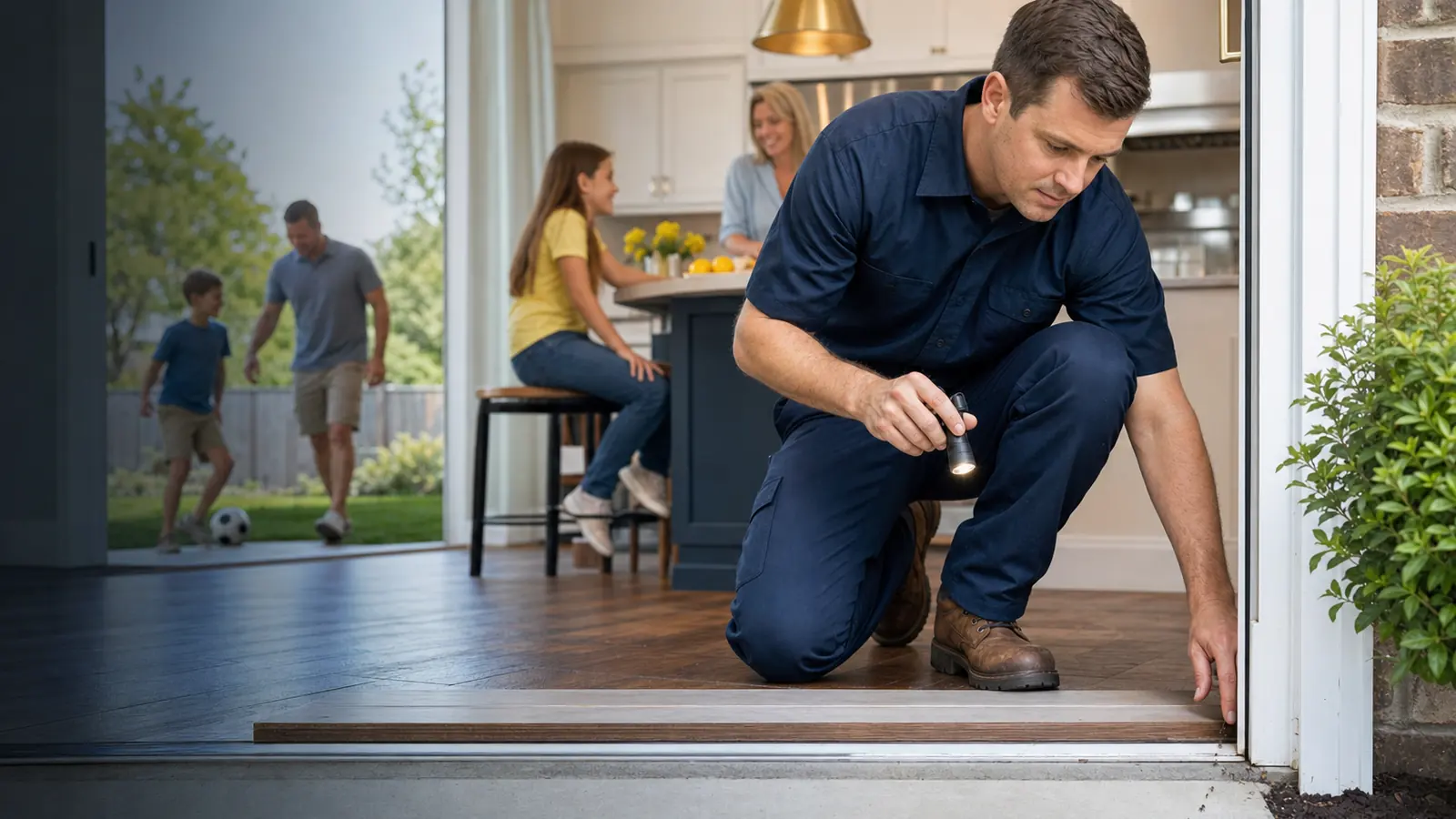
Check receiving and storage areas for gaps around doors and damaged packaging. Look at how close shelving sits to walls too. Restaurants in Boiling Springs, SC should check these zones on a fixed schedule. Recording changes over time makes patterns easier to spot.
Receiving docks are a common entry point. Doors open often during deliveries. Check door sweeps and thresholds for gaps that could let pests through. Homeowners seeing similar pressure can also review protecting your family from ants before scheduling.
Inside storage rooms, look at shelving placement. A small gap between boxes and walls helps with airflow and inspection. Boxes pushed flush against walls hide problems.
Note damaged packaging rather than ignore it. A torn bag or dented can is worth logging. This holds true even when nothing unusual turns up nearby that day. This connects closely with requesting service from Paladin when you are comparing next steps.
What this means for your home
- Practical takeaway: Check receiving and storage areas for gaps around doors and damaged packaging.
- Boiling Springs service is adjusted to the home style, season, and pressure pattern instead of using the same checklist everywhere.
How often should a restaurant review its pest control checklist?
Most restaurants find it useful to review their checklist each quarter. Add quick daily and weekly notes between full reviews. This keeps the document current and reflects seasonal or operational changes as they happen.
Not sure what you're dealing with?
Tell us the activity you've noticed and we'll point you the right direction.
Which kitchen and prep zones need regular attention?
Prep counters, equipment bases, and cooking line backs need regular checks. Food residue and moisture tend to collect there. A checklist should note cleaning frequency and who checks hard to reach spots. Fixed equipment needs a clear owner for this task.
Prep lines stay busy, so residue builds up in seams fast. A weekly checklist item asking staff to glance behind equipment adds real value. For a wider plan, pair this with exterior perimeter treatment so the whole property is covered.
Equipment bases, especially units that rarely move, need periodic checks. Note the last date each large appliance got pulled out and checked underneath.
Give this task to one person or shift. Clear ownership means the check actually happens. Otherwise everyone assumes someone else will do it. Homeowners seeing similar pressure can also review ant control options before scheduling.
What this means for your home
- Practical takeaway: Prep counters, equipment bases, and cooking line backs need regular checks.
- Boiling Springs service is adjusted to the home style, season, and pressure pattern instead of using the same checklist everywhere.
How should waste and drain areas be tracked?
Track waste and drain areas with a simple log. Note pickup schedules, container condition, and drain cover status. This helps a restaurant in Boiling Springs, SC spot patterns early. It also gives any provider a clear starting point for their own review.
Check dumpster pads and waste rooms for standing liquid and damaged containers. Look for lids that will not close fully too. These details are easy to note on a normal trash run. This connects closely with Upstate SC service areas when you are comparing next steps.
Give floor drains inside the kitchen the same care. A missing or loose drain cover deserves a note, even if nothing else looks unusual nearby.
Write pickup schedules down next to these notes. If waste sits longer than usual due to a schedule change, that context matters when reviewing the week's log. For a wider plan, pair this with protecting your family from ants so the whole property is covered.
What this means for your home
- Practical takeaway: Track waste and drain areas with a simple log.

What areas should a restaurant pest inspection cover?
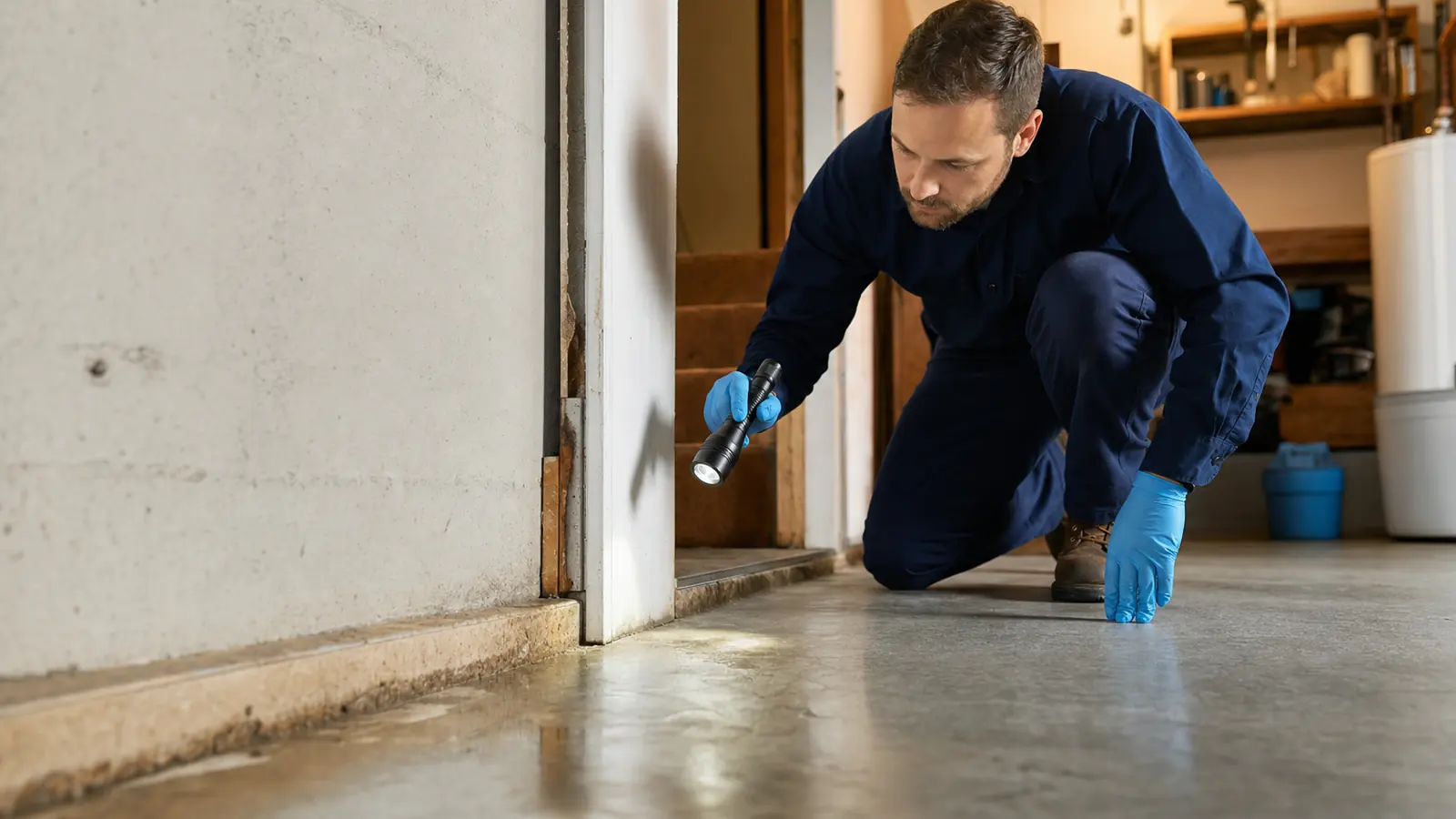
A restaurant pest inspection should cover exterior walls, entry doors, docks, storage, prep lines, waste zones, and drains. Reviewing each zone in one visit helps a provider see how areas connect. This makes it easier to spot small issues that repeat across the building.
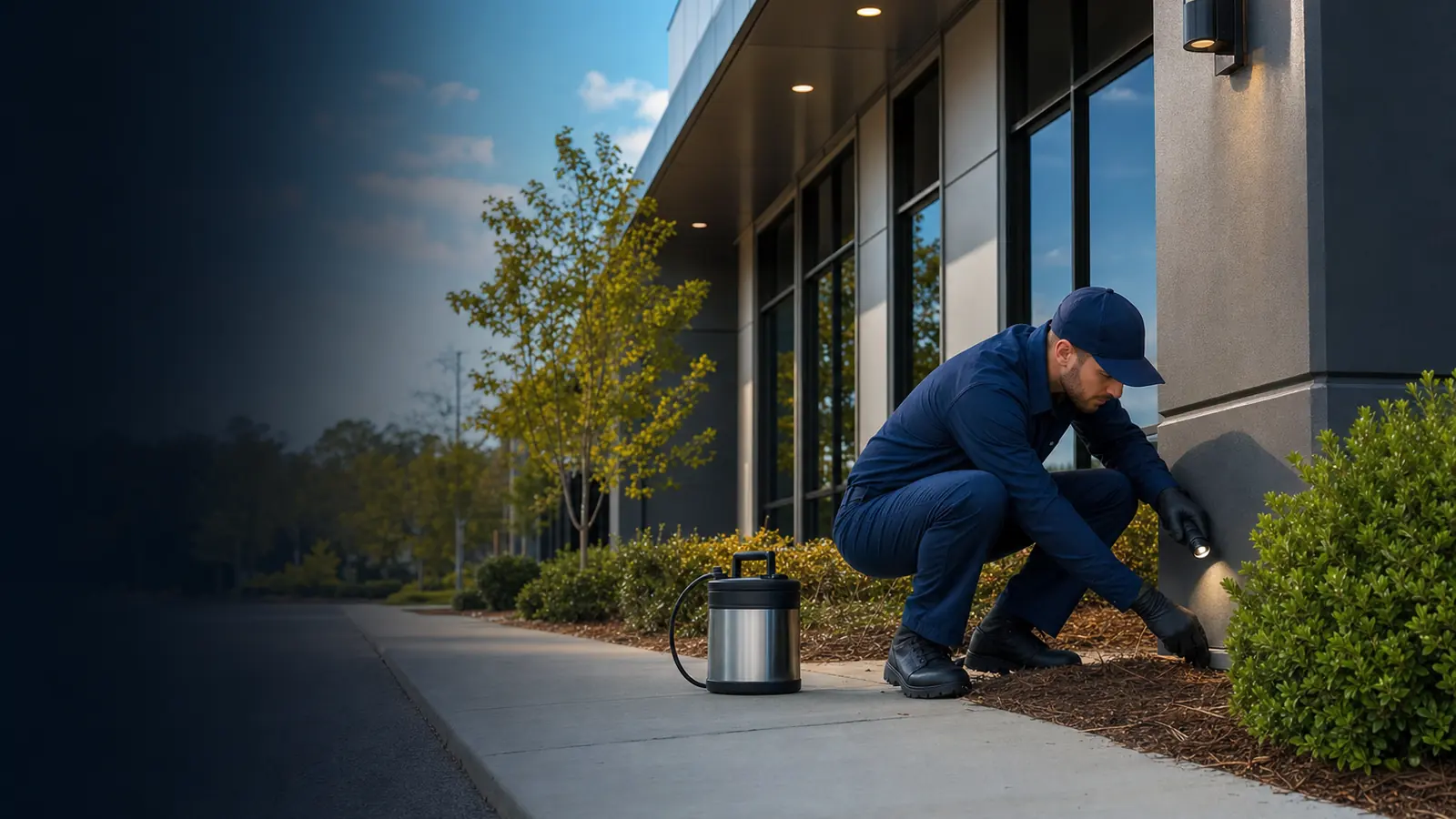
Walk exterior walls and foundation lines slowly. Look for gaps around utility lines and vents. Check any spot where two materials meet unevenly. Homeowners seeing similar pressure can also review requesting service from Paladin before scheduling.
Move room by room inside, using the same order each time. This habit makes it easier to notice when something looks different from the last check.
Bring notes from earlier walkthroughs along. Comparing current conditions to past notes turns single observations into a real record over several months. This connects closely with exterior perimeter treatment when you are comparing next steps.
What this means for your home
- Practical takeaway: A restaurant pest inspection should cover exterior walls, entry doors, docks, storage, prep lines, waste zones, and drains.
- exterior perimeter check
- Boiling Springs service is adjusted to the home style, season, and pressure pattern instead of using the same checklist everywhere.
Which records help track recurring evidence?
Simple dated logs help track recurring evidence over time. Note the location, a short description of what staff observed, and any follow-up action taken. A shared log that both staff and any provider can review makes patterns clearer than scattered notes or casual verbal reports.
A basic notebook or spreadsheet works fine here. The format matters less than who fills it out and how often. For a wider plan, pair this with ant control options so the whole property is covered.
Add a follow-up column so each note shows what happened next. This closes the loop on every entry you make.
Review the log together with any provider during scheduled visits. Shared review keeps everyone working from the same facts instead of relying on memory. Homeowners seeing similar pressure can also review requesting service from Paladin before scheduling.
What this means for your home
- Documentation should summarize findings, treated areas, product locations where applicable, and the recommended follow-up plan.
- Practical takeaway: Simple dated logs help track recurring evidence over time.
How should staff and provider responsibilities be divided?
Staff should handle daily observation, cleaning, and reporting. A provider should handle scheduled inspections, exclusion work, and technical follow-up. Write this split into your checklist before requesting proposals. Both sides then understand their role, which cuts confusion once the service begins.
Daily tasks like checking storage areas fit staff best since they are on site all the time. This keeps small issues from slipping by between scheduled visits. This connects closely with protecting your family from ants when you are comparing next steps.
Technical tasks such as sealing entry points fit a provider who focuses on that work. Clear task splits stop duplicated or missed effort.
Put this split in writing as part of your proposal request. Providers can then explain how their process fits your staff's daily routine. For a wider plan, pair this with ant control options so the whole property is covered.
What this means for your home
- Practical takeaway: Staff should handle daily observation, cleaning, and reporting.
- Boiling Springs service is adjusted to the home style, season, and pressure pattern instead of using the same checklist everywhere.
Should repair ownership be defined before signing a service agreement?
Yes, define repair ownership before signing any service agreement. Decide who handles structural gaps, door repairs, or landlord fixtures in advance. This prevents delays later. It also helps a provider explain what falls inside their scope, keeping the checklist process organized from the start.
Many restaurants lease their space, and landlords often own certain structures. Clarify early who handles repairs like a damaged door frame, whether that is the landlord, tenant, or provider. Homeowners seeing similar pressure can also review exterior perimeter treatment before scheduling.
List items likely to need repair, such as door sweeps or vent screens. Note who owns each one. This avoids confusion when an issue turns up during a visit.
Bring this list to any proposal talk. A provider can then explain which parts of their service, like entry-point sealing, might overlap with items on your list. This connects closely with protecting your family from ants when you are comparing next steps.
What this means for your home
- repair ownership pest control
- Practical takeaway: Yes, define repair ownership before signing any service agreement.
Ants in Upstate homes
Ant trails follow conditions, we fix the conditions, then we treat the trail
The single biggest mistake on an ant call is spraying the visible bug. That scatters the colony and forces a budding split-off that's harder to control next month. Paladin technicians bait the trail first, then chase moisture and food sources that drew the scouts in.
Sugar ants in a kitchen, fire ants in a yard, and carpenter ants in damp framing all need different treatment. Our visit identifies which one you have and adjusts.
Why this post exists on the Paladin blog
This post was written by someone who actually does this work on Upstate homes, not by a contractor or a marketing team that has never seen the species in person. The Paladin blog exists to answer the questions we hear on real service calls, honestly, in plain English, without selling you a service you do not need. If a post helps you solve the problem on your own, that is a successful post for us. If you read it and decide you would rather have a trained technician on site, that is what the phone is for. Either path is fine.
A first Paladin visit is intended to document the activity, inspect relevant areas, and explain the proposed scope before work begins. Appointment timing and the exact inspection areas depend on the request and property access. Call (864) 816-7658 or use the contact form so the office can confirm the current options.
Paladin is based in Boiling Springs, SC and serves the approved Upstate locations listed on this site. Each recommendation should be tied to conditions documented at the property, including pest evidence, moisture, entry points, food, water, shelter, and access. The office confirms address availability without promising a route frequency or response window.
Keep exploring Paladin
Related Paladin services and guides for Upstate homeowners.
- See the full ant program at Paladin
- Fire ant mound control for Upstate yards
- Carpenter ant inspection for damp framing
- Sugar ant kitchen trail control
- Protect your family from ants
- Ant identification and prevention guides
- Find a city near you on our Upstate route
- Tell Paladin what you are seeing and ask about current availability
Frequently asked questions
What should be the first step in building a restaurant pest control checklist?
Start by walking the whole building and listing every zone, from docks to waste areas. This gives you a full picture before adding details like documentation habits or staff duties. A thorough first walkthrough sets the base for every later update.
Do restaurants in Boiling Springs, SC need a different checklist than other regions?
The basic structure of a checklist, covering storage, prep, waste, and doors, applies broadly across most restaurant settings. Local conditions in Boiling Springs, SC may shape specific notes made during walkthroughs. Still, the core checklist categories stay fairly steady across regions.
Can a checklist replace a professional inspection?
A checklist supports and organizes information but does not replace an inspection done by a provider. It gives providers a clear starting point and helps staff stay consistent with daily notes between scheduled visits. This makes each inspection more useful.
How does Integrated Pest Management relate to a restaurant checklist?
Integrated Pest Management ideas stress inspection, monitoring, and prevention as an ongoing process rather than a single reactive step. A checklist built around these ideas helps restaurants log conditions, track patterns over time, and steadily reduce entry points as part of a routine practice.
Who should be responsible for updating the checklist over time?
A named staff member, often a manager, should own the checklist and update it after each review or provider visit. This keeps records steady, sets clear accountability, and makes sure changes get noted right away instead of forgotten between shifts.
Ready to shield your family?
One call to Paladin and we’ll meet you where you are, from a quick walk-through to a long-term protection plan.