Upstate South Carolina · Pest control built around your household
Rat Exterminator in Boiling Springs, SC: What a Property Inspection Should Cover
A rat exterminator in Boiling Springs, SC should inspect seven zones. These are exterior grounds, crawl space, attic, garage, food and water sources, drainage areas, and utility lines. Covering every zone helps build an accurate…
- Product placement chosen around kids, pets, and pollinators
- A real Spartanburg crew, not a national call center
- Plain-English findings before any treatment starts
Quick Answer
A rat exterminator in Boiling Springs, SC should inspect seven zones. These are exterior grounds, crawl space, attic, garage, food and water sources, drainage areas, and utility lines. Covering every zone helps build an accurate service scope. It avoids guessing based on one sighting or sound alone.
For the next step, compare rodent control and exclusion, read about rodent entry-point sealing, or check where Paladin works across Upstate SC.
Key Takeaways
- A full inspection covers seven distinct property zones outdoors and indoors.
- Exterior grounds often reveal access points missed from inside alone.
- Crawl spaces and attics need separate, focused observation steps.
- Food and water sources should be documented along with droppings.
- Drainage and utility lines are common but overlooked entry paths.
- One sign alone should not determine the full service scope.
- A written zone-by-zone record improves communication with any exterminator.
Which property areas belong in a rat inspection?
A complete rat inspection in Boiling Springs, SC covers the exterior perimeter, crawl space, attic, garage, food and water areas, drainage paths, and utility penetrations. Skipping any zone can leave gaps in the service scope. It may miss conditions that keep attracting rodents to the property over time.
Homeowners often assume an inspection means checking a kitchen or garage. In practice, a thorough review moves through the whole property. This connects closely with rodent control and exclusion when you are comparing next steps.
The exterior perimeter comes first. This includes siding gaps, vegetation touching the house, and stored materials near the foundation.
From there, attention shifts indoors to crawl spaces and attics. Then it moves to utility lines and drains that connect inside and outside. For a wider plan, pair this with Upstate SC service areas so the whole property is covered.
Treating the inspection as one checklist across all zones helps avoid an indoor-only scope. It stops exterior conditions from being ignored.
What this means for your home
- Boiling Springs service is adjusted to the home style, season, and pressure pattern instead of using the same checklist everywhere.
- Practical takeaway: A complete rat inspection in Boiling Springs, SC covers the exterior perimeter, crawl space, attic, garage, food and water areas, drainage paths, and utility penetrations.
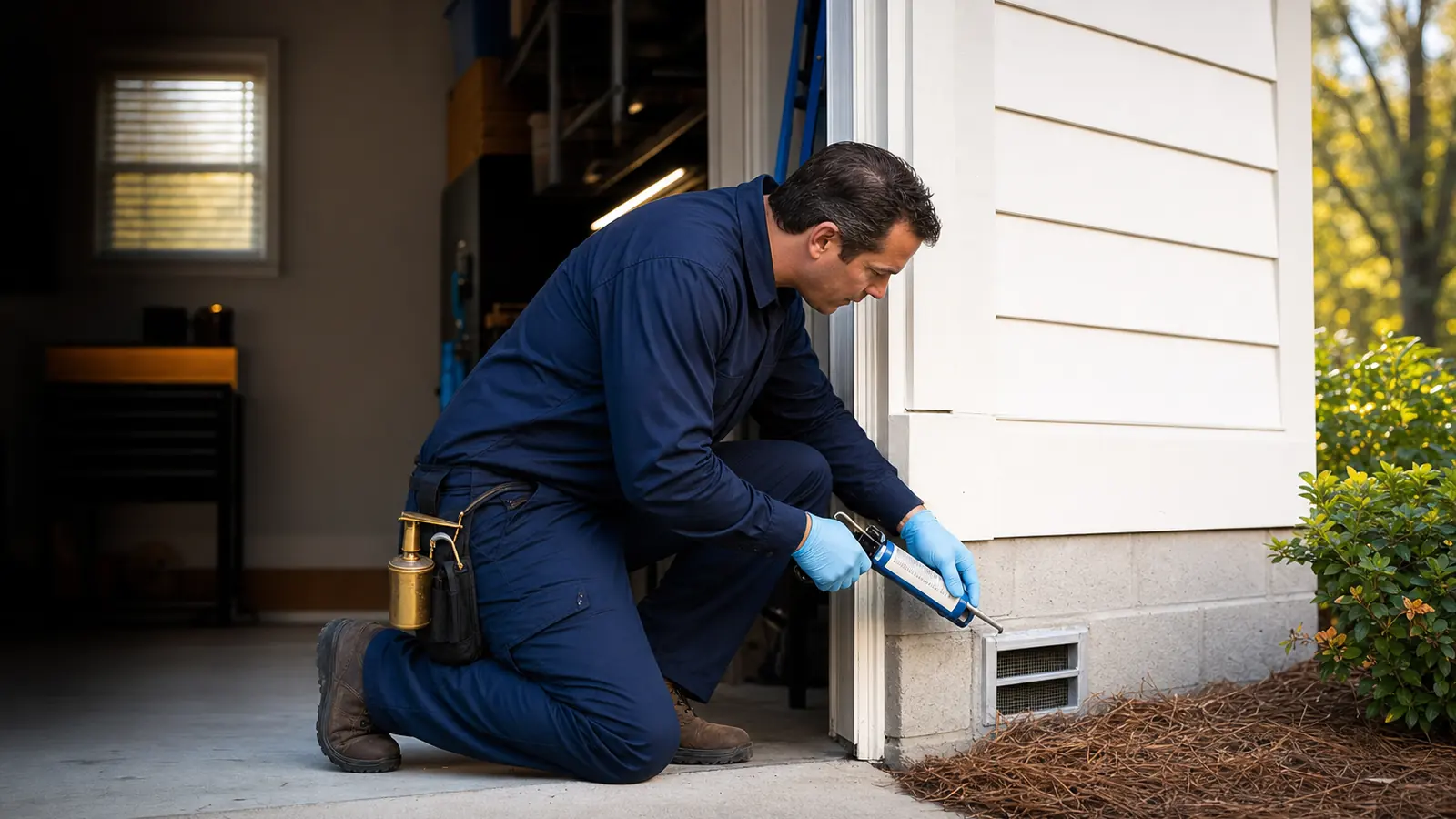
Why does the exterior perimeter matter before going inside?
The exterior perimeter often shows the clearest evidence of how rats reach a structure. Gaps in siding, gaps under doors, woodpiles, dense shrubs, and cluttered storage near the foundation all deserve close attention. Inspecting this zone first helps frame what any indoor findings actually mean.
Rats travel along fence lines, utility wires, and dense plantings before ever reaching a wall. Homeowners seeing similar pressure can also review rodent entry-point sealing before scheduling.
A careful look at foundation gaps, vent screens, and door sweeps can reveal likely access routes.
Stored firewood, compost bins, and dense ground cover near the home also deserve a slow walk-around. This connects closely with requesting service from Paladin when you are comparing next steps.
Recording these exterior details gives useful context before assessing anything found indoors.
What this means for your home
- exterior perimeter check
- Practical takeaway: The exterior perimeter often shows the clearest evidence of how rats reach a structure.
Does a rat inspection only focus on indoor rooms?
No, a complete inspection covers exterior grounds, crawl spaces, attics, garages, and utility lines along with indoor rooms. Rodent activity often starts outside before it ever reaches the interior of a home.
Want a professional to look at this?
The office will confirm the available appointment date.
What should a crawl space inspection include?
A crawl space check should note vent screen condition, insulation disturbance, moisture levels, and any pathways along joists or pipes. Crawl spaces are dark and often ignored. They can hold ongoing evidence that never surfaces in the living areas above the home.
Crawl spaces connect directly to plumbing and duct penetrations, which are common travel routes. For a wider plan, pair this with mouse control so the whole property is covered.
Loose or torn vent screens are worth photographing since they may explain how access happens.
Insulation that looks disturbed or compressed in tunnels can point to established travel paths. Homeowners seeing similar pressure can also review rodent control and exclusion before scheduling.
Because crawl spaces are hard to view without proper lighting, professional inspection tools are often used here.
What this means for your home
- Practical takeaway: A crawl space check should note vent screen condition, insulation disturbance, moisture levels, and any pathways along joists or pipes.
How should an attic be reviewed for rodent activity?
Attic reviews should focus on insulation condition, roofline gaps, soffit vents, and any staining or disturbance along rafters. Attics sit above daily living space, so signs here can go unnoticed for a long time. A deliberate, careful look is needed to catch small clues.
Roofline gaps around vents, fascia boards, and chimney flashing are frequent access points worth noting. This connects closely with Upstate SC service areas when you are comparing next steps.
Insulation that appears flattened in narrow paths may indicate repeated travel across the same route.
Soffit vents with torn or missing screens deserve a closer look and a clear photograph. For a wider plan, pair this with rodent entry-point sealing so the whole property is covered.
Attic access is often limited, so this zone benefits from a slow, methodical pass rather than a quick glance.
What this means for your home
- Practical takeaway: Attic reviews should focus on insulation condition, roofline gaps, soffit vents, and any staining or disturbance along rafters.
Why does species identification affect the plan?
Different rodent species behave differently in nesting height, travel routes, and entry size needs. Confirming which species is present matters. Assuming from a single sign is risky, so a broader review helps shape a more accurate and complete service scope for the property.
A single dropping or gnaw mark is not enough to confirm which rodent species is present. Homeowners seeing similar pressure can also review requesting service from Paladin before scheduling.
Species can differ in nesting preferences, which changes where an inspector focuses attention.
Jumping to conclusions from one clue risks an incomplete or misdirected service scope. This connects closely with mouse control when you are comparing next steps.
A broader review across multiple zones supports a more reliable read on what is actually happening.
What this means for your home
- Identification comes first because the right pest control plan depends on species, activity level, and where the pressure is living.
- Practical takeaway: Different rodent species behave differently in nesting height, travel routes, and entry size needs.
Should garages and storage areas be checked too?
Garages and storage sheds should be part of every inspection. They often hold pet food, seed, or clutter that attracts rodents. These spaces connect to the home through shared walls, wiring conduits, or garage door gaps that are easy to overlook during a quick visit.
Garages frequently store pet food, birdseed, and cardboard boxes that rodents find appealing. For a wider plan, pair this with rodent control and exclusion so the whole property is covered.
Gaps under garage doors and around utility conduits are worth checking closely.
Shared walls between a garage and living space can allow travel between zones unnoticed. Homeowners seeing similar pressure can also review requesting service from Paladin before scheduling.
Documenting garage conditions helps complete the picture started at the exterior perimeter.
What this means for your home
- Practical takeaway: Garages and storage sheds should be part of every inspection.
- storage area check
How do food, water, and drainage areas factor into the inspection?
Food sources, standing water, and drainage paths should all be documented in a complete inspection. Rodents are drawn to reliable food and moisture. Noting these conditions helps explain patterns of activity found across other zones of the property during review.
Pet food bowls left out overnight and unsecured trash bins are common draws worth noting. This connects closely with rodent entry-point sealing when you are comparing next steps.
Standing water near downspouts or low drainage points can support ongoing rodent presence.
Compost piles and fallen fruit under trees deserve a mention in any inspection record. For a wider plan, pair this with rodent control and exclusion so the whole property is covered.
Connecting these conditions to entry points found elsewhere builds a more complete overall picture.
What this means for your home
- Documentation should summarize findings, treated areas, product locations where applicable, and the recommended follow-up plan.
- Practical takeaway: Food sources, standing water, and drainage paths should all be documented in a complete inspection.
- Condition correction lowers repeat pressure by addressing moisture, food sources, harborage, and easy entry points.
What evidence should be monitored after service?
After any service visit, homeowners should keep watching the same zones covered in the original inspection. Noting new droppings, gnaw marks, or nesting materials over time is helpful. This tracking supports clear communication going forward between the homeowner and provider.
Keeping a simple log of dates and locations makes future conversations easier to follow. Homeowners seeing similar pressure can also review mouse control before scheduling.
Photographs taken from the same angle over time can show whether conditions are changing.
Checking exterior entry points periodically helps confirm that sealing work remains intact. This connects closely with rodent entry-point sealing when you are comparing next steps.
Sharing this record with a rat exterminator in Boiling Springs, SC supports better follow-up planning.
What this means for your home
- Practical takeaway: After any service visit, homeowners should keep watching the same zones covered in the original inspection.
- Documentation should summarize findings, treated areas, product locations where applicable, and the recommended follow-up plan.
- Follow-up visits confirm whether the pest control activity is dropping and whether any new entry points or pressure signs appeared.
Should utility lines and entry points get special attention?
Utility lines, meter boxes, and pipe penetrations deserve focused attention. They create small gaps that are easy to miss during a quick walk-through. These points often connect exterior conditions directly to interior spaces, making them a key part of any thorough inspection.
Gaps around water, gas, and electrical lines entering the home are worth close inspection. For a wider plan, pair this with Upstate SC service areas so the whole property is covered.
Meter boxes and outdoor unit housings can hide small openings along their edges.
HVAC line sets and dryer vents are additional spots where seals may wear over time. Homeowners seeing similar pressure can also review mouse control before scheduling.
Noting these details helps round out a full property-zone inspection record.
What this means for your home
- Practical takeaway: Utility lines, meter boxes, and pipe penetrations deserve focused attention.
Rodent control in the Upstate
Seal the entry, set the right trap, then prevent the next migration
Most rodent problems trace back to a gap you can fit a pencil through. We walk the exterior envelope first and identify entry points before we set a single trap.
Inside, traps go on the actual runway. Exterior bait stations live in tamper-resistant housings. We schedule the re-visit before we leave so we catch the second wave.
Why this post exists on the Paladin blog
This post was written by someone who actually does this work on Upstate homes, not by a contractor or a marketing team that has never seen the species in person. The Paladin blog exists to answer the questions we hear on real service calls, honestly, in plain English, without selling you a service you do not need. If a post helps you solve the problem on your own, that is a successful post for us. If you read it and decide you would rather have a trained technician on site, that is what the phone is for. Either path is fine.
A first Paladin visit is intended to document the activity, inspect relevant areas, and explain the proposed scope before work begins. Appointment timing and the exact inspection areas depend on the request and property access. Call (864) 816-7658 or use the contact form so the office can confirm the current options.
Paladin is based in Boiling Springs, SC and serves the approved Upstate locations listed on this site. Each recommendation should be tied to conditions documented at the property, including pest evidence, moisture, entry points, food, water, shelter, and access. The office confirms address availability without promising a route frequency or response window.
Keep exploring Paladin
Related Paladin services and guides for Upstate homeowners.
- See the full rodent program at Paladin
- Mouse control and trap placement
- Rat control with exterior bait stations
- Rodent entry-point exclusion
- Kids, pets, and rodent treatment safety
- Rodent entry-point and exclusion guides
- Find a city near you on our Upstate route
- Tell Paladin what you are seeing and ask about current availability
Frequently asked questions
What areas should a rat exterminator in Boiling Springs, SC check first?
Most inspections start with the exterior perimeter. Gaps in siding, vegetation touching the home, and stored materials near the foundation often reveal how rodents are getting close to the property. This step gives useful context before anyone steps inside to check the rest of the home.
Can one sign like droppings confirm which rodent species is present?
A single sign is usually not enough to confirm species on its own. A broader review across multiple property zones gives a more reliable picture. This wider look supports a more accurate service scope for the home instead of a guess based on one clue.
Why should garages be included in a rat inspection?
Garages often store pet food, seed, and clutter that attract rodents looking for shelter. They also connect to living spaces through shared walls or door gaps. Leaving this zone out of an inspection can miss important context needed for the overall property review.
How does monitoring after service help homeowners?
Keeping a simple record of new droppings, gnaw marks, or entry point conditions is useful. It helps track whether a property is changing over time after a visit. This record also supports clearer communication with a pest control provider during any future conversations.
Does Paladin Pest Solutions serve Boiling Springs, SC directly?
Paladin Pest Solutions is based in Boiling Springs, SC and serves approved locations across Upstate South Carolina. Exact address availability for a specific property is confirmed directly by the office. Reaching out ahead of time helps confirm details before any visit is scheduled.
Ready to shield your family?
One call to Paladin and we’ll meet you where you are, from a quick walk-through to a long-term protection plan.