Upstate South Carolina · Careful, targeted pest control
Pre-Purchase Termite Inspection in Boiling Springs, SC: What Buyers Should Confirm
Before closing, confirm access to crawl spaces and attics. Gather old pest records early. Check your contract for the report deadline. Name who gets the report. Ask about follow-up steps too. A pre-purchase termite inspection in…
- We identify the species first, then treat the actual harborage
- Same Upstate technicians on your route, visit after visit
- Clear notes after every visit, what we did and why
Quick Answer
Before closing, confirm access to crawl spaces and attics. Gather old pest records early. Check your contract for the report deadline. Name who gets the report. Ask about follow-up steps too. A pre-purchase termite inspection in Boiling Springs, SC works best when buyers handle these details early. Doing so keeps closing on track.
For the next step, compare termite control and inspection, read about termite inspection services, or check where Paladin works across Upstate SC.
Key Takeaways
- Confirm crawl space, attic, and garage access first.
- Gather old pest control or treatment records early.
- Check your contract for the report deadline.
- Name the exact recipient for the completed report.
- Ask what follow-up review would involve.
- Keep documents organized to avoid closing delays.
- Use the state wood infestation report form as a guide.
What should a buyer confirm about access, report scope, and timing before inspection?
Buyers should confirm crawl spaces, attics, and utility areas are open. They should ask the seller for past pest records. They should check the purchase contract for the report deadline. They should also confirm who gets the final report and any follow-up notes.
A pre-purchase termite inspection in Boiling Springs, SC needs clear access to every part of the home. Locked doors or blocked hatches can slow the visit down. This connects closely with WDI inspection letters when you are comparing next steps.
Buyers should also ask the seller about past pest treatments. Old records help build a fuller picture of the home's history.
Check your purchase agreement for the exact report deadline. Missing that date can complicate financing or delay closing. For a wider plan, pair this with Upstate SC service areas so the whole property is covered.
What this means for your home
- Boiling Springs service is adjusted to the home style, season, and pressure pattern instead of using the same checklist everywhere.
- Practical takeaway: Buyers should confirm crawl spaces, attics, and utility areas are open.
- Documentation should summarize findings, treated areas, product locations where applicable, and the recommended follow-up plan.
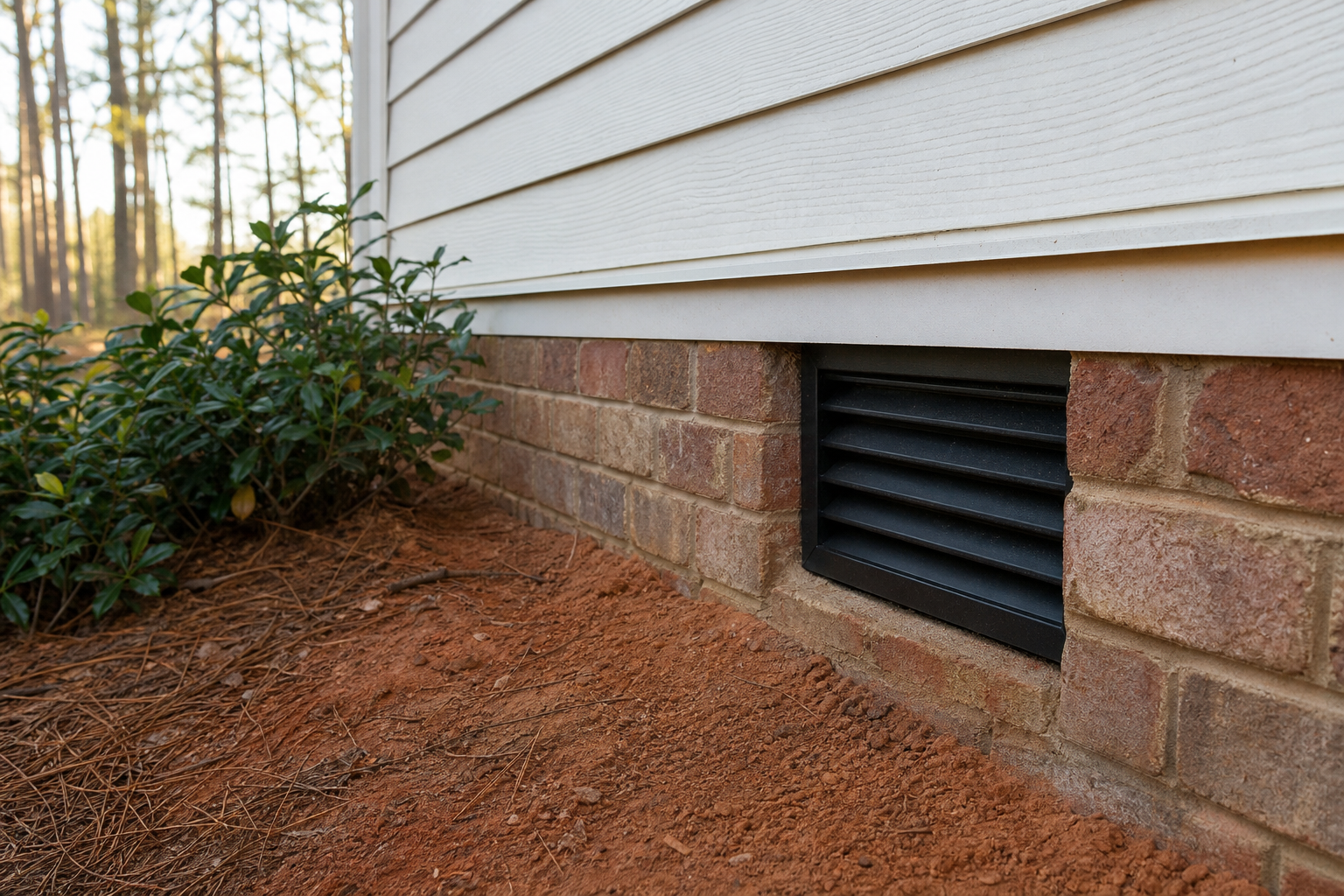
Which areas of the home need to stay accessible for inspection day?
Crawl spaces, attics, garages, and utility closets should stay open and clear. Storage areas near the foundation need the same treatment. Move boxes or furniture blocking baseboards or walls. This keeps the visit efficient and lets the inspection cover those spaces directly and completely.
Crawl space doors are often overlooked. Buyers should ask the seller to confirm the hatch is open and free of clutter. Homeowners seeing similar pressure can also review termite control before scheduling.
Attics can hide problems too. A stuck pull-down ladder or a hatch covered by stored items causes delays. A quick check beforehand helps.
Garages and utility rooms sometimes need a clear wall view. Moving boxes ahead of time keeps the visit on schedule. This connects closely with requesting service from Paladin when you are comparing next steps.
What this means for your home
- Practical takeaway: Crawl spaces, attics, garages, and utility closets should stay open and clear.
Do buyers need to be present for a pre-purchase termite inspection?
Being present is not required. Many buyers still find it helpful. Walking through the property afterward lets them ask questions while details are fresh.
Not sure what you're dealing with?
Tell us the activity you've noticed and we'll point you the right direction.
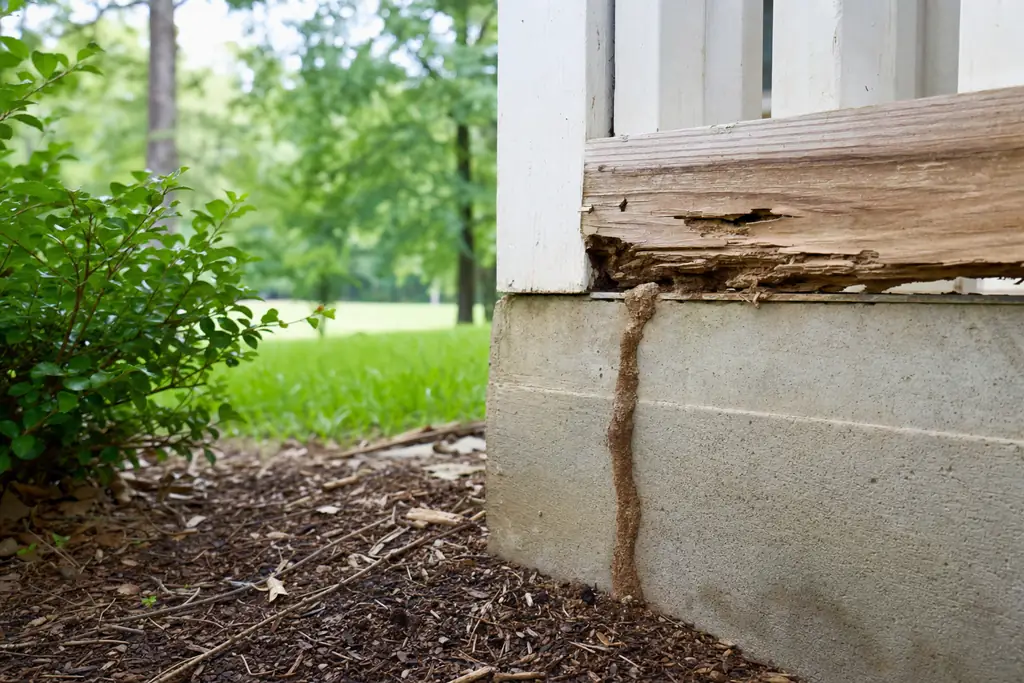
What records should buyers gather before the visit?
Buyers should collect past pest treatment receipts and any wood infestation reports. Structural warranty papers are useful too. Notes from earlier home inspections add helpful background. These records make it easier to compare findings if new observations come up during the current visit.
If the seller had a termite bond in the past, ask for those papers early. They show whether prior activity was handled. For a wider plan, pair this with termite inspection services so the whole property is covered.
A past wood infestation report, if one exists, follows a standard state format. Reviewing it first gives useful context.
General home inspection reports sometimes mention moisture near wood framing. Bring these along to save time during your review. Homeowners seeing similar pressure can also review WDI inspection letters before scheduling.
What this means for your home
- Practical takeaway: Buyers should collect past pest treatment receipts and any wood infestation reports.
- Documentation should summarize findings, treated areas, product locations where applicable, and the recommended follow-up plan.
How does the transaction deadline affect scheduling?
Most contracts set a fixed number of days for inspections after the offer is accepted. Buyers should confirm this window with their agent right away. Scheduling the pre-purchase termite inspection early leaves time to review results well before that deadline arrives.
South Carolina contracts typically include a due diligence period. This window covers inspections, negotiations, and repair requests. This connects closely with Upstate SC service areas when you are comparing next steps.
Scheduling too close to the deadline leaves little room for follow-up questions. Book the inspection soon after the contract is signed.
If findings need more review time, a short delay can sometimes be requested. Ask your agent about this option early. For a wider plan, pair this with termite control so the whole property is covered.
What this means for your home
- Practical takeaway: Most contracts set a fixed number of days for inspections after the offer is accepted.
- The plan is adjusted for the home type and pest pressure instead of forcing a generic termite protection checklist.
Who should receive the completed report and why does it matter?
Buyers should confirm in writing who gets the report. It might go to the buyer, lender, agent, or all three. Lenders often need a copy before closing. Naming the recipient early prevents paperwork gaps and keeps the transaction moving smoothly.
Many South Carolina lenders request a copy of the wood infestation report before finalizing a loan. Confirm this early to avoid a last minute scramble. Homeowners seeing similar pressure can also review requesting service from Paladin before scheduling.
Buyers should also decide if their agent needs a copy for negotiation. This matters most if repair requests come up.
Keep a personal copy for your own records too. It gives you something to reference after move-in. This connects closely with termite inspection services when you are comparing next steps.
What this means for your home
- Documentation should summarize findings, treated areas, product locations where applicable, and the recommended follow-up plan.
- Practical takeaway: Buyers should confirm in writing who gets the report.
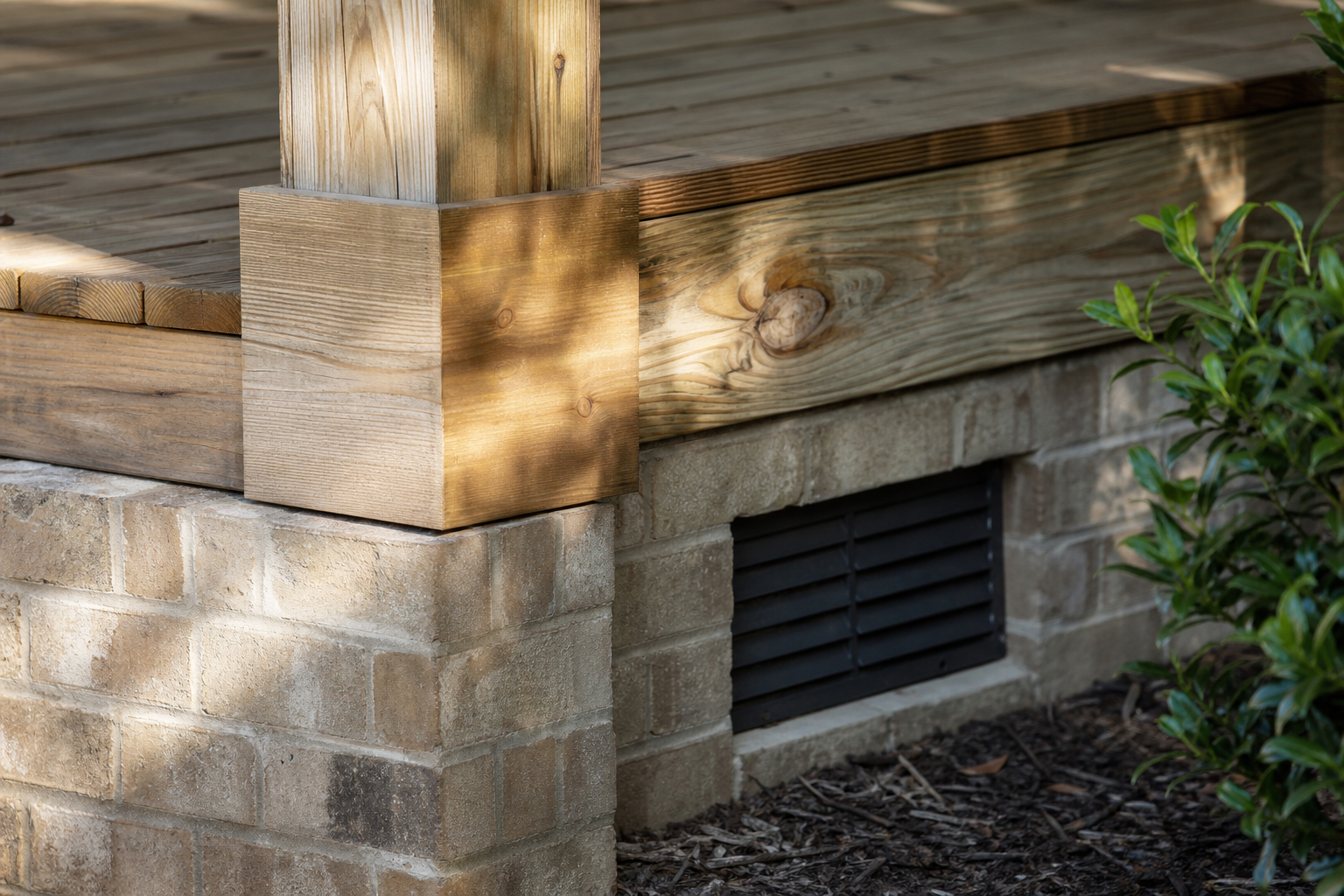
How should a professional pre-purchase termite inspection document its findings?
A thorough inspection documents visible conditions in areas that could be reached. It notes any evidence seen during the visit. General notes about moisture or wood touching soil are often included. The report follows the standard format set by South Carolina regulatory guidance.
The report usually lists which areas were inspected and whether access was limited anywhere. Buyers should read this section closely, since limited access can affect the scope. For a wider plan, pair this with WDI inspection letters so the whole property is covered.
Observations use standard terms set by state guidance. This keeps reports consistent across different companies.
Ask questions if any part of the report feels unclear. Understanding the terms helps you make informed decisions. Homeowners seeing similar pressure can also review requesting service from Paladin before scheduling.
What this means for your home
- Documentation should summarize findings, treated areas, product locations where applicable, and the recommended follow-up plan.
- Practical takeaway: A thorough inspection documents visible conditions in areas that could be reached.
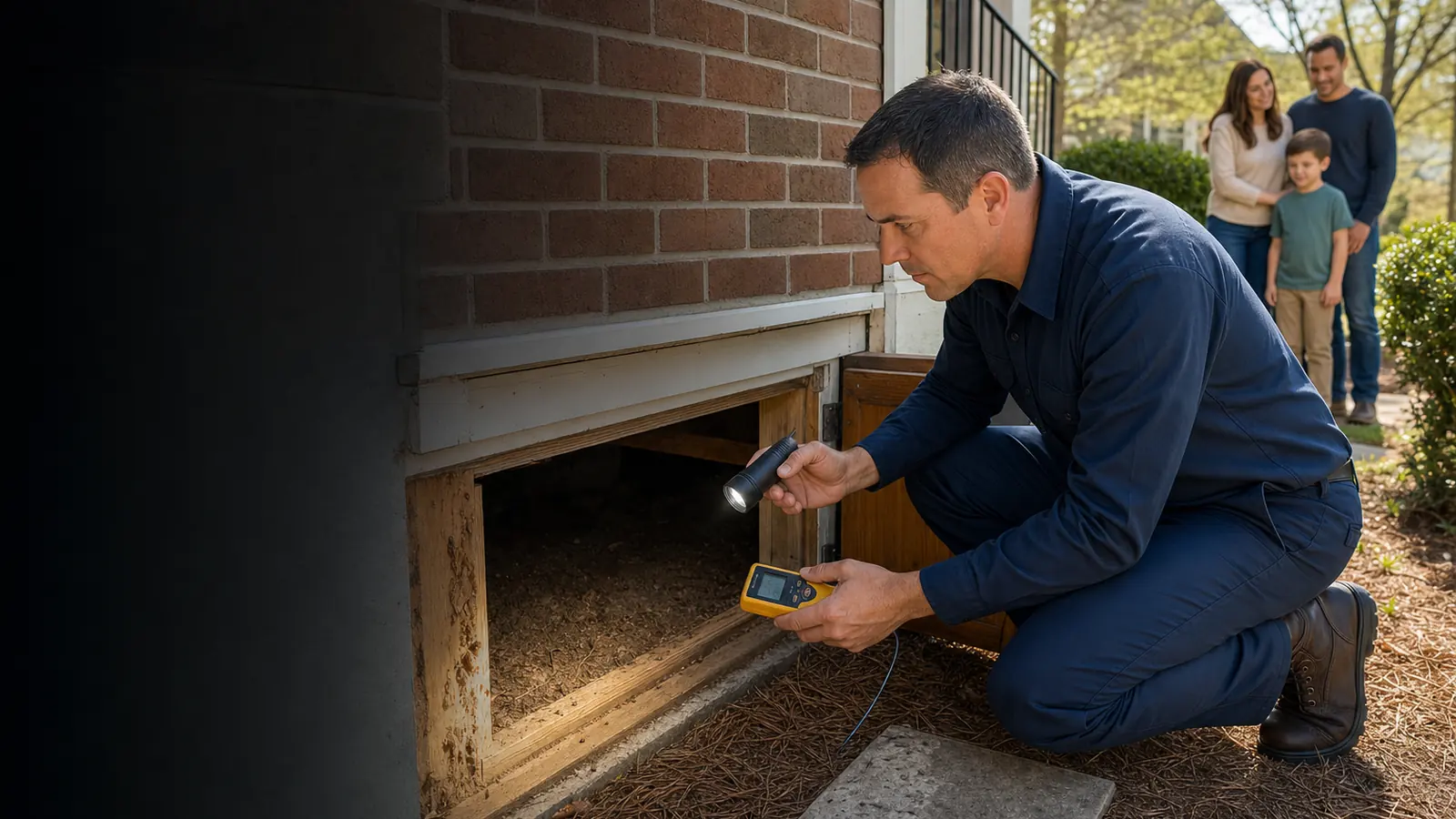
Which findings can change the pre-purchase termite inspection service scope?
Limited access, visible moisture, or conditions needing a closer look can widen the scope. Buyers should ask in advance how these situations get handled. They should also ask if a follow-up visit would be needed to finish the review before closing.
Some spaces are hard to fully view in one visit, such as tight crawl spaces. When this happens, the report usually notes the limit. This connects closely with termite control when you are comparing next steps.
Moisture near the foundation or in crawl spaces sometimes prompts a request for a follow-up look. Ask what this process involves before the visit.
Knowing these possibilities early helps buyers set realistic expectations. It also keeps the closing timeline in mind if extra steps come up. For a wider plan, pair this with WDI inspection letters so the whole property is covered.
What this means for your home
- Practical takeaway: Limited access, visible moisture, or conditions needing a closer look can widen the scope.
- Follow-up visits confirm whether the termite protection activity is dropping and whether any new entry points or pressure signs appeared.
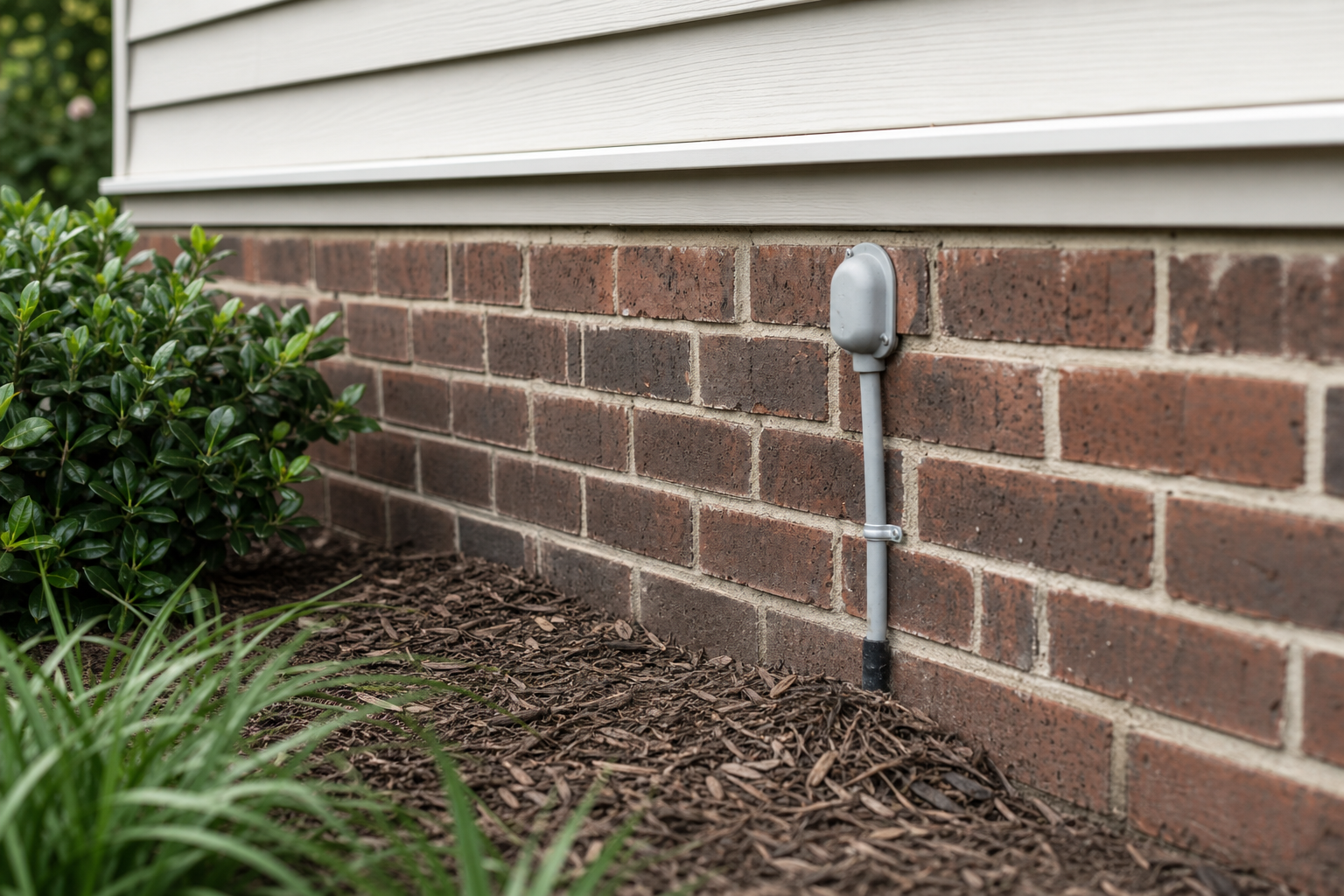
Should buyers request a follow-up review after the report is issued?
Buyers should ask about follow-up options if the report notes limited access or unclear conditions. Requesting clarity before closing helps avoid confusion later. It gives buyers a clearer picture of the property. That clarity supports a smoother path to finalizing the purchase.
If the report mentions areas that could not be fully viewed, ask whether a follow-up visit is possible. This helps most with older homes and complex crawl spaces. Homeowners seeing similar pressure can also review termite inspection services before scheduling.
Buyers can ask general questions about report terms directly with the inspecting company. Clear communication reduces misunderstandings during closing.
Bring any concerns to your agent early. Waiting until the last moment can create pressure near the closing date. This connects closely with termite control when you are comparing next steps.
What this means for your home
- Follow-up visits confirm whether the termite protection activity is dropping and whether any new entry points or pressure signs appeared.
- Documentation should summarize findings, treated areas, product locations where applicable, and the recommended follow-up plan.
- Practical takeaway: Buyers should ask about follow-up options if the report notes limited access or unclear conditions.
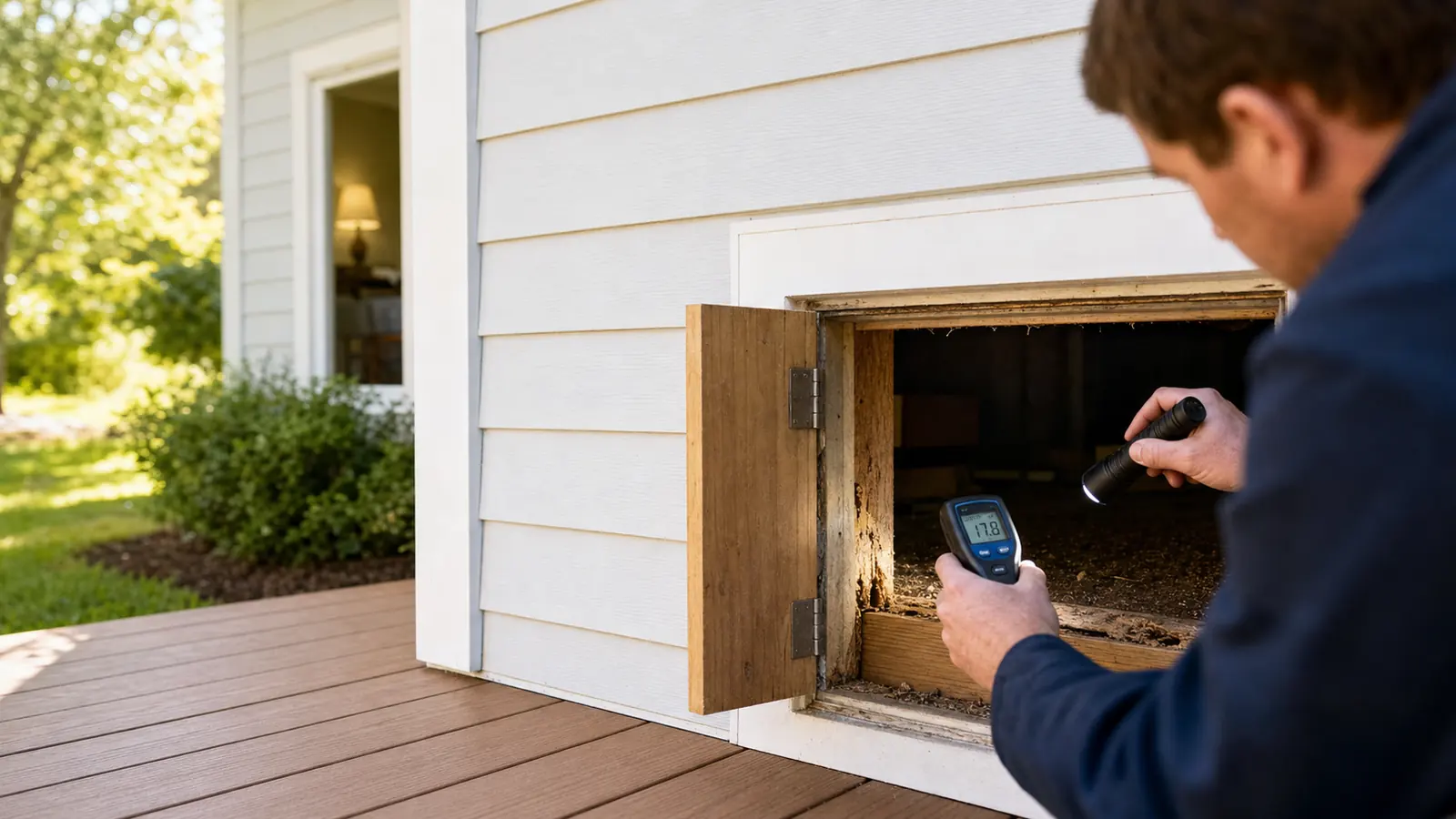
Termite inspection and Trelona ATBS
Subterranean termite work that's monitored on a measured cadence
Termite damage in the Upstate is usually invisible from inside the house. The inspection happens in the crawl space, at the foundation, and along the perimeter where wood meets soil.
Trelona ATBS bait stations on measured spacing intercept active colonies before damage becomes structural. We document the cadence so renewals and re-inspections are predictable.
Why this post exists on the Paladin blog
This post was written by someone who actually does this work on Upstate homes, not by a contractor or a marketing team that has never seen the species in person. The Paladin blog exists to answer the questions we hear on real service calls, honestly, in plain English, without selling you a service you do not need. If a post helps you solve the problem on your own, that is a successful post for us. If you read it and decide you would rather have a trained technician on site, that is what the phone is for. Either path is fine.
A first Paladin visit is intended to document the activity, inspect relevant areas, and explain the proposed scope before work begins. Appointment timing and the exact inspection areas depend on the request and property access. Call (864) 816-7658 or use the contact form so the office can confirm the current options.
Paladin is based in Boiling Springs, SC and serves the approved Upstate locations listed on this site. Each recommendation should be tied to conditions documented at the property, including pest evidence, moisture, entry points, food, water, shelter, and access. The office confirms address availability without promising a route frequency or response window.
Keep exploring Paladin
Related Paladin services and guides for Upstate homeowners.
Frequently asked questions
How far in advance should a pre-purchase termite inspection be scheduled?
Schedule it as soon as the purchase contract is signed. This gives buyers time to review the report. It also allows time for questions. Acting early keeps the process on track. It helps you meet the due diligence deadline set in your agreement.
What areas commonly cause access delays during inspection?
Locked crawl space doors cause many delays. Blocked attic hatches slow things down too. Storage items placed against foundation walls create the same problem. Confirm these areas are clear ahead of time. This keeps the visit on schedule and avoids wasted trips.
Can a buyer request a copy of a past wood infestation report?
Yes, buyers can ask the seller or agent if one exists. Reviewing past records gives helpful context about the property's history. It shows past findings and any steps taken. You can compare it with the new report once it is done.
Who typically needs a copy of the completed report?
Lenders often request a copy before finalizing financing. Agents may want one for negotiation during the sale. Buyers should confirm these details early. This keeps paperwork ready well before closing day. It also avoids last minute requests from any party involved.
What happens if an area of the home cannot be accessed during inspection?
The report will usually note the limitation clearly. Buyers can then ask whether a follow-up visit is available once access is resolved. This matters most for crawl spaces and tight attic sections. Keeping the timeline in mind helps avoid delays near closing.
Does South Carolina use a standard format for these reports?
Yes, wood infestation reports in South Carolina follow a standard format. State regulatory guidance describes this format in detail. It keeps terms and structure consistent across different companies. That consistency helps buyers compare reports side by side during a home purchase.
Ready to shield your family?
One call to Paladin and we’ll meet you where you are, from a quick walk-through to a long-term protection plan.