Upstate South Carolina · Careful, targeted pest control
Mosquito Yard Treatment in Boiling Springs, SC: Comparing Service Plans
Mosquito Yard Treatment in Boiling Springs, SC works best when a plan combines inspection, source reduction, treatment zones, and follow-up checks. Compare plans by asking what each step covers rather than counting how often a…
- Product placement chosen around kids, pets, and pollinators
- A real Spartanburg crew, not a national call center
- Plain-English findings before any treatment starts
Quick Answer
Mosquito Yard Treatment in Boiling Springs, SC works best when a plan combines inspection, source reduction, treatment zones, and follow-up checks. Compare plans by asking what each step covers rather than counting how often a truck visits. A strong plan explains findings, treatment areas, and homeowner tasks that support results.
For the next step, compare mosquito control services, read about mosquito prevention for families, or check where Paladin works across Upstate SC.
Key Takeaways
- Compare plans by services included, not visit frequency alone.
- Ask how inspections identify standing water and resting sites.
- Source reduction at home supports any professional treatment plan.
- Treatment zones should be explained, not left vague or generic.
- Monitoring after service shows whether a plan needs adjusting.
- Homeowner tasks matter as much as scheduled visits.
- Label compliance and safety practices deserve a direct question.
How should a mosquito service plan be structured?
A solid mosquito yard treatment plan for Boiling Springs, SC should include an inspection, source reduction guidance, defined treatment zones, and a follow-up check. Ask providers to explain each part. A plan built only around a spraying schedule often skips the details that reduce mosquito pressure over time.
A plan is more than a calendar of visits. It should describe what happens during an inspection. It should also explain why certain areas get attention. This connects closely with mosquito control services when you are comparing next steps.
Ask whether the plan covers treatment zones around your yard. Shaded areas, dense plantings, and low spots often need a different look than open lawn.
A plan that mentions follow-up monitoring shows the provider expects to adjust based on results. That is a sign of a thoughtful, responsive approach. For a wider plan, pair this with Upstate SC service areas so the whole property is covered.
What this means for your home
- Boiling Springs service is adjusted to the home style, season, and pressure pattern instead of using the same checklist everywhere.
- Practical takeaway: A solid mosquito yard treatment plan for Boiling Springs, SC should include an inspection, source reduction guidance, defined treatment zones, and a follow-up check.

How does an inspection shape a treatment plan?
An inspection helps identify likely mosquito resting spots and moisture sources around a property. This shapes where a technician focuses treatment. It also guides what source reduction steps a homeowner should handle. Without this step, a plan risks treating the whole yard evenly instead of the areas that matter most.
During an inspection, a technician typically walks the property. They look at shaded vegetation, fence lines, and areas near structures. Homeowners seeing similar pressure can also review mosquito prevention for families before scheduling.
Standing water is a common focus point. The CDC notes that reducing standing water around a home is a key part of mosquito control efforts.
Ask how inspection findings get shared with you. A plan that includes a summary of observations is easier to evaluate over time. This connects closely with requesting service from Paladin when you are comparing next steps.
What this means for your home
- Boiling Springs service is adjusted to the home style, season, and pressure pattern instead of using the same checklist everywhere.
- Practical takeaway: An inspection helps identify likely mosquito resting spots and moisture sources around a property.
What makes one mosquito yard treatment plan different from another?
Plans differ in how they handle inspection detail, treatment zones, source reduction guidance, and follow-up monitoring. The difference comes down to more than how often a technician visits your yard.
Want a professional to look at this?
The office will confirm the available appointment date.
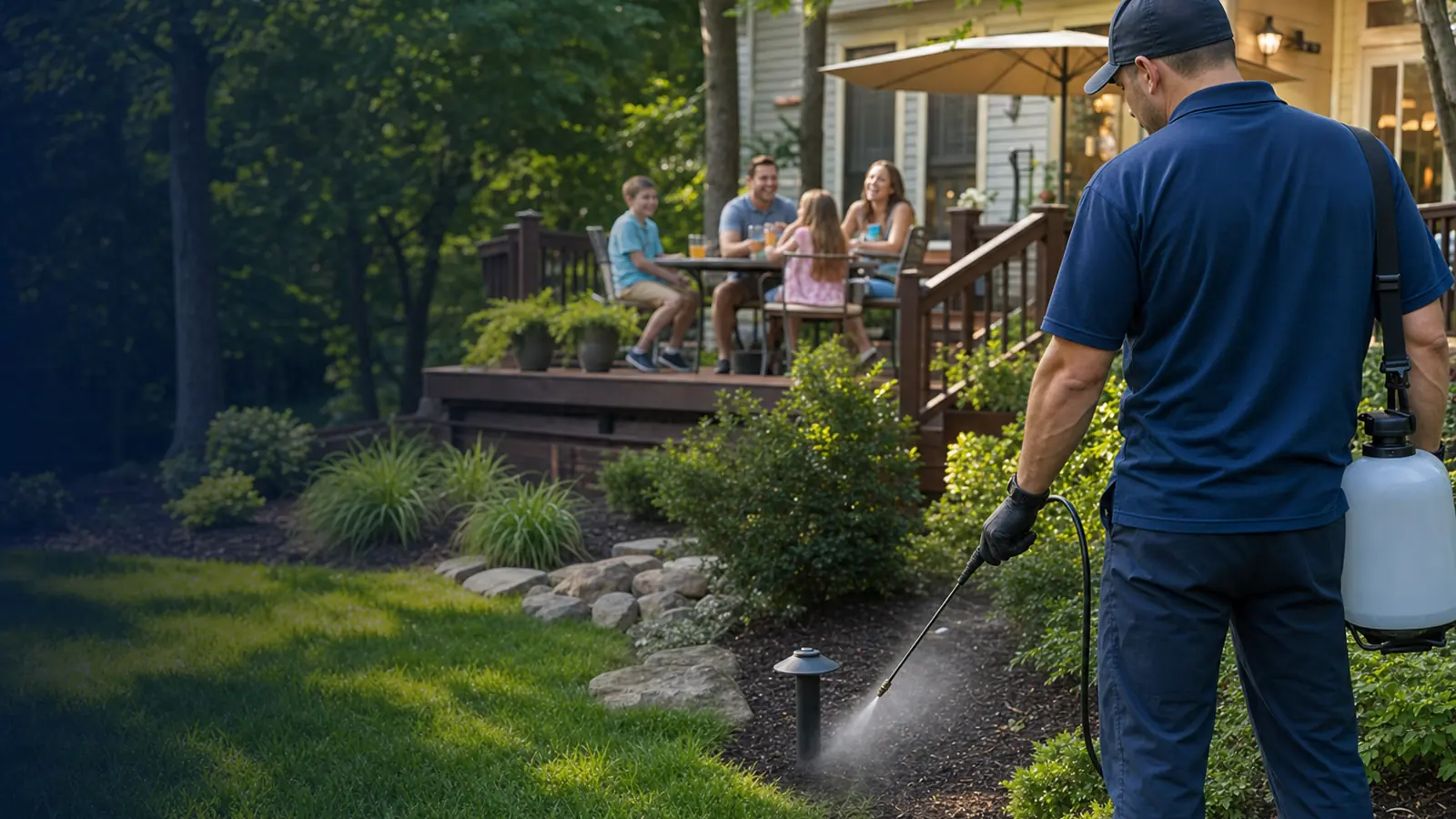
Why may yard spraying alone be incomplete?
Spraying alone addresses adult mosquitoes present at treatment time. It does not remove breeding sources. A plan that skips source reduction may see mosquito activity return quickly. Combining treatment with homeowner steps like removing standing water tends to produce steadier results over a season.
Mosquitoes can breed in small amounts of standing water. This includes items easy to overlook, like clogged gutters or plant saucers. For a wider plan, pair this with mosquito yard treatment so the whole property is covered.
The EPA's guidance on pest control encourages combining methods. Relying on one single approach rarely produces lasting pest management.
A plan built only around spraying misses this layered approach. Ask providers how they factor source reduction into their treatment visits. Homeowners seeing similar pressure can also review mosquito control services before scheduling.
What this means for your home
- Practical takeaway: Spraying alone addresses adult mosquitoes present at treatment time.

Which homeowner steps support the service plan?
Homeowners can support a mosquito yard treatment plan by checking for standing water, clearing yard debris, and keeping gutters flowing. These habits reduce breeding chances between scheduled visits. A plan works better when the provider and the homeowner each handle their part consistently.
Walk the yard weekly. Look for water collecting in buckets, toys, tarps, or plant saucers. Empty what you find. This connects closely with Upstate SC service areas when you are comparing next steps.
Keep grass trimmed and shrubs thinned where possible. Dense vegetation can offer shaded resting spots for adult mosquitoes.
Check gutters after storms. Clogged sections can hold water long enough to matter, especially during warmer months in Upstate South Carolina. For a wider plan, pair this with mosquito prevention for families so the whole property is covered.
What this means for your home
- Practical takeaway: Homeowners can support a mosquito yard treatment plan by checking for standing water, clearing yard debris, and keeping gutters flowing.
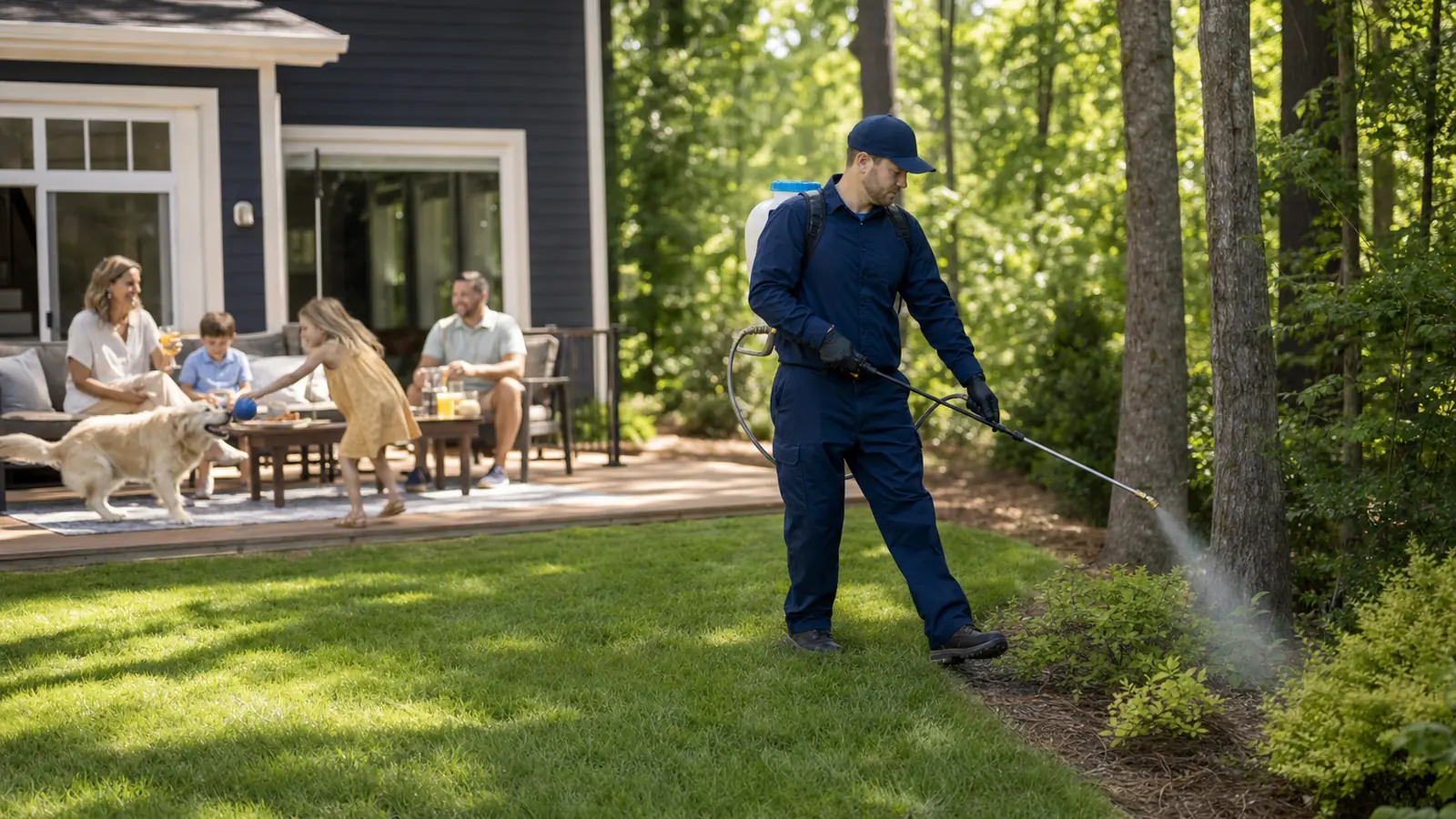
How can label compliance and safety factor into your decision?
Ask any provider how they follow product label instructions during treatment. The EPA explains that labels are legal documents guiding proper and safe pesticide use. A plan that respects label direction reflects a careful, methodical approach to yard treatment and daily safety around your home.
Labels specify how products should be used. They include where and under what conditions treatment happens. Providers who reference this show attention to detail. Homeowners seeing similar pressure can also review requesting service from Paladin before scheduling.
Ask about precautions taken around pets, gardens, or water features. A thoughtful plan should be able to explain general safety considerations clearly.
This is not about specific mixing or application steps. It is about whether a provider treats label guidance as a serious part of their process. This connects closely with mosquito yard treatment when you are comparing next steps.
What this means for your home
- Practical takeaway: Ask any provider how they follow product label instructions during treatment.
Should monitoring be part of an ongoing plan?
Yes, monitoring after treatment helps determine whether adjustments are needed for the next visit. A plan without any follow-up check leaves you guessing about results. Ask if the provider tracks activity over time or simply repeats the same steps regardless of what is observed on your property.
Monitoring can be simple. A technician notes mosquito activity during a scheduled visit and compares it to prior notes. For a wider plan, pair this with mosquito control services so the whole property is covered.
This step supports an integrated pest management approach. Treatment adjusts based on what is actually happening on the property.
Ask how findings are communicated to you between visits. Clear updates help you understand whether the plan is working as expected. Homeowners seeing similar pressure can also review requesting service from Paladin before scheduling.
What this means for your home
- Practical takeaway: Yes, monitoring after treatment helps determine whether adjustments are needed for the next visit.
- Follow-up visits confirm whether the mosquito control activity is dropping and whether any new entry points or pressure signs appeared.
Is a seasonal plan different from a one-time treatment?
A seasonal plan involves multiple visits timed around mosquito activity through warmer months. A one-time treatment addresses a single event or short window instead. Comparing these options depends on your yard's needs and how much ongoing attention makes sense. Ask providers to outline what each option actually covers.
Seasonal plans often include repeated inspections. This allows adjustments as weather and vegetation change through spring and summer. This connects closely with mosquito prevention for families when you are comparing next steps.
A one-time treatment might suit a specific outdoor event. It will not address recurring conditions that attract mosquitoes over time.
Discuss your yard's layout and habits with a provider. This helps the plan match how you actually use your outdoor space. For a wider plan, pair this with mosquito control services so the whole property is covered.
What this means for your home
- Practical takeaway: A seasonal plan involves multiple visits timed around mosquito activity through warmer months.
How do you start comparing mosquito yard treatment plans locally?
Start by listing what matters most for your yard, such as inspection detail, treatment zones, and follow-up monitoring. Reach out to local providers serving Boiling Springs, SC. Ask direct questions about each part of their plan. Comparing answers side by side makes it easier to choose confidently.
Write down your yard's specific features. Note shaded areas, water sources, or dense plantings before contacting a provider. Homeowners seeing similar pressure can also review mosquito yard treatment before scheduling.
Ask each provider the same set of questions. Cover inspection, treatment zones, source reduction, and monitoring in every call.
Paladin Pest Solutions serves approved locations across Upstate South Carolina. Exact-address availability is confirmed by the office. This connects closely with mosquito prevention for families when you are comparing next steps.
What this means for your home
- Boiling Springs service is adjusted to the home style, season, and pressure pattern instead of using the same checklist everywhere.
- Practical takeaway: Start by listing what matters most for your yard, such as inspection detail, treatment zones, and follow-up monitoring.

Mosquito yard protection
Source reduction first, treatment second, that's how Upstate yards stay usable
Every Paladin mosquito visit walks the yard for the breeding source: gutters, planters, kid pools, dog bowls, low spots, downspout splash blocks. The biggest mosquito reduction usually happens before we ever apply product.
Treatment targets the resting harborage along shaded shrubs and the foundation. Pet-aware, kid-aware, and re-applied on the cadence that actually matches Upstate humidity.
Why this post exists on the Paladin blog
This post was written by someone who actually does this work on Upstate homes, not by a contractor or a marketing team that has never seen the species in person. The Paladin blog exists to answer the questions we hear on real service calls, honestly, in plain English, without selling you a service you do not need. If a post helps you solve the problem on your own, that is a successful post for us. If you read it and decide you would rather have a trained technician on site, that is what the phone is for. Either path is fine.
A first Paladin visit is intended to document the activity, inspect relevant areas, and explain the proposed scope before work begins. Appointment timing and the exact inspection areas depend on the request and property access. Call (864) 816-7658 or use the contact form so the office can confirm the current options.
Paladin is based in Boiling Springs, SC and serves the approved Upstate locations listed on this site. Each recommendation should be tied to conditions documented at the property, including pest evidence, moisture, entry points, food, water, shelter, and access. The office confirms address availability without promising a route frequency or response window.
Keep exploring Paladin
Related Paladin services and guides for Upstate homeowners.
- See the full mosquito program at Paladin
- Yard mosquito treatment programs
- Targeted mosquito spraying
- Yard pest prevention programs
- Protect your family from mosquitoes
- Upstate mosquito yard protection
- Find a city near you on our Upstate route
- Tell Paladin what you are seeing and ask about current availability
Frequently asked questions
How often should a mosquito yard treatment plan include visits?
Visit frequency depends on the plan and your yard's conditions. Some plans schedule visits through warmer months, while others focus on a single event. Ask providers to explain their visit schedule and how it connects to your specific yard before comparing details.
Can source reduction replace professional treatment entirely?
Source reduction alone may reduce some mosquito activity, but it rarely addresses every factor around a property. Combining homeowner efforts, like clearing standing water, with a professional plan tends to produce steadier results than relying on one single approach over a full season.
Does a mosquito yard treatment plan cover the whole property?
Coverage depends on the plan and the property's layout. Many plans focus on specific zones like shaded vegetation, fence lines, and areas near structures rather than treating the entire yard uniformly. Ask providers to explain which zones they prioritize and why.
Why should homeowners ask about monitoring after treatment?
Monitoring shows whether a plan is producing results or needs adjustment over time. Without follow-up, it is harder to know if mosquito activity has actually changed since the last visit. Asking about this step helps you judge whether a provider takes an ongoing, responsive approach to your yard.
Is it useful to compare plans from more than one provider?
Yes, comparing plans helps you understand differences in inspection detail, treatment zones, and monitoring practices between providers. Ask each one the same set of questions so you can evaluate their answers side by side. This approach helps you choose the plan that best matches your yard's conditions.
Ready to shield your family?
One call to Paladin and we’ll meet you where you are, from a quick walk-through to a long-term protection plan.