Upstate South Carolina · Local pest crew, plain-English answers
Mosquito Control in Boiling Springs, SC: What Should a Yard Evaluation Include?
Mosquito Control in Boiling Springs, SC should start with a walk-through of the whole yard. Check standing water, shaded resting spots, drainage, dense plants, patios, and screens. Look at nearby yards too. This gives a clear…
- Treatments built around how your family actually uses the home
- Local dispatch from Spartanburg across the Upstate
- If a visit isn't needed, we'll say so on the phone
Quick Answer
Mosquito Control in Boiling Springs, SC should start with a walk-through of the whole yard. Check standing water, shaded resting spots, drainage, dense plants, patios, and screens. Look at nearby yards too. This gives a clear picture of pressure points before any plan gets proposed.
For the next step, compare mosquito control services, read about mosquito prevention for families, or check where Paladin works across Upstate SC.
Key Takeaways
- A yard evaluation should map breeding sites and resting zones separately.
- Standing water checks include gutters, containers, and low drainage spots.
- Shaded, humid areas often hold adult mosquitoes during the day.
- Vegetation density and yard debris affect mosquito resting behavior.
- Patios and outdoor living spaces deserve a specific pressure check.
- Screens and door seals matter as much as outdoor conditions.
- Neighboring yards can influence pressure a homeowner cannot fully control.
Why does mosquito control in Boiling Springs, SC start with a yard walk-through?
A yard walk-through gives a clear starting point. It shows where water collects, where mosquitoes rest, and how landscaping affects shade and airflow. This step turns a broad request into a focused list of yard zones worth watching and recording over time.
Homeowners searching for mosquito control in Boiling Springs, SC often want quick answers. A useful plan starts with simple observation instead. This connects closely with mosquito control services when you are comparing next steps.
Walking the property in daylight reveals patterns that are easy to miss. Note where puddles form after rain and where shade lingers longest.
A structured walk-through also builds a baseline. Comparing conditions across seasons shows whether changes are working or new problem spots have appeared. For a wider plan, pair this with Upstate SC service areas so the whole property is covered.
What this means for your home
- Boiling Springs service is adjusted to the home style, season, and pressure pattern instead of using the same checklist everywhere.
- Practical takeaway: A yard walk-through gives a clear starting point.
Which standing water sources should a homeowner check first?
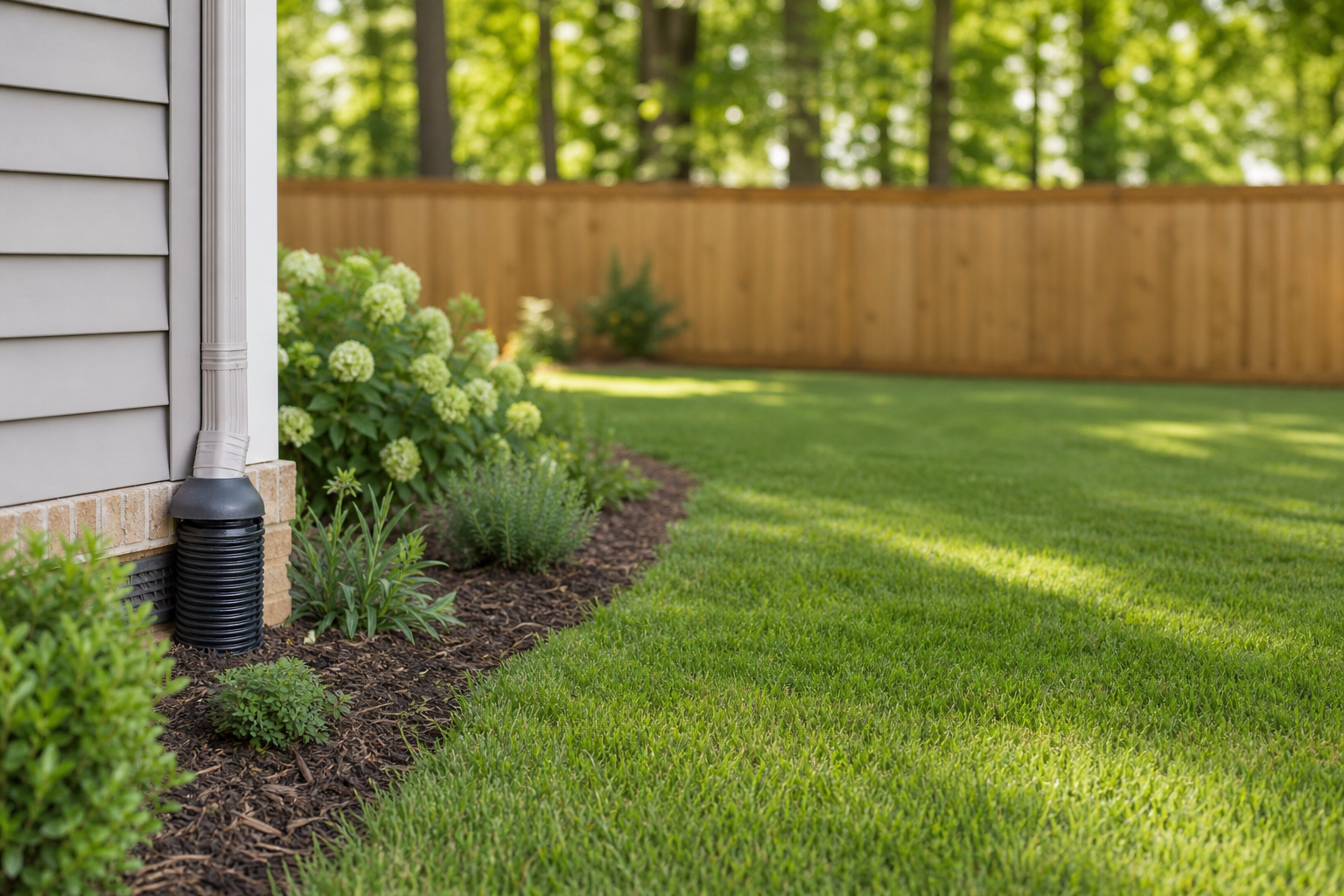
Check gutters, plant saucers, buckets, tarps, and any low spots where rain collects. Even small amounts of water sitting for several days can support mosquito development. Checking these spots on a regular schedule is one of the most useful steps any homeowner can take.
Clogged gutters are a common overlooked source. Water pools in the leaves and stays shaded, which mosquitoes favor. Homeowners seeing similar pressure can also review mosquito prevention for families before scheduling.
Small containers around the yard hold water after a single rain. Plant saucers, buckets, and toys should be emptied often.
Low spots in the lawn also deserve attention. If water sits for days after rain, that pattern is worth fixing through better drainage. This connects closely with requesting service from Paladin when you are comparing next steps.
What this means for your home
- Practical takeaway: Check gutters, plant saucers, buckets, tarps, and any low spots where rain collects.
- gutter drainage check
How often should a homeowner check for standing water?
Check gutters, containers, and low yard spots weekly during warmer months. This habit helps catch standing water early, before it becomes a steady source of mosquito activity around the home.
Prefer to skip the guessing?
We'll identify the pest, point out conditions, and quote what's actually needed.
Why check both standing water and shaded resting areas?
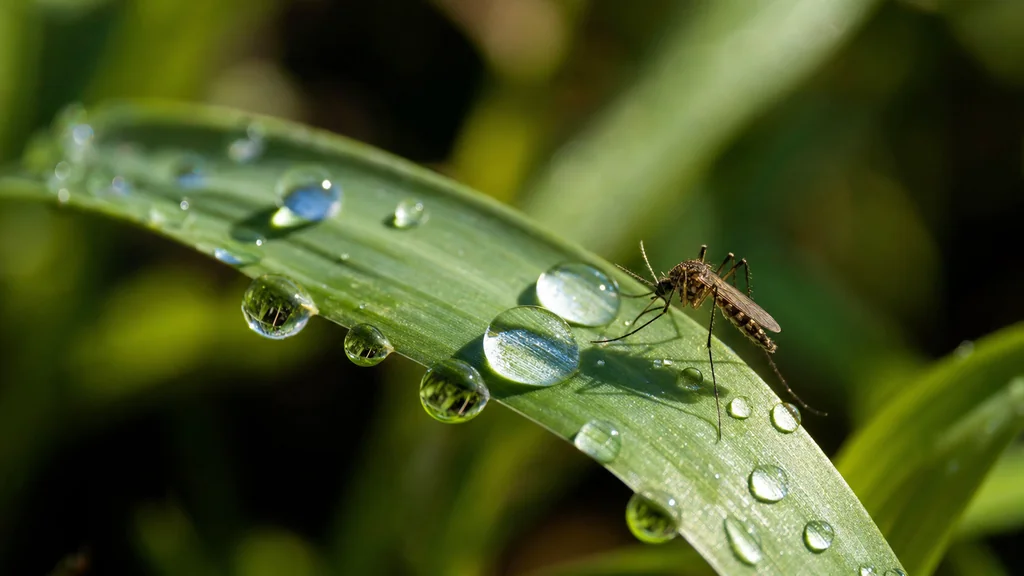
Standing water shows where mosquitoes may develop, while shaded resting areas show where adults spend daylight hours nearby. Checking only one side of this picture misses the other half entirely. A full evaluation looks at both breeding spots and adult behavior across the whole property.
Adult mosquitoes seek cool, humid, sheltered spots during the day. Dense shrubs, tall grass, and shaded fence lines all qualify. For a wider plan, pair this with mosquito yard treatment so the whole property is covered.
These areas can hold mosquitoes even when no standing water sits nearby. Homeowners sometimes miss this and focus only on water removal.
Note which shaded spots feel more active in early morning or evening. This detail helps guide a more specific conversation with a pest professional. Homeowners seeing similar pressure can also review mosquito control services before scheduling.
What this means for your home
- Practical takeaway: Standing water shows where mosquitoes may develop, while shaded resting areas show where adults spend daylight hours nearby.
How does vegetation density affect a mosquito evaluation?
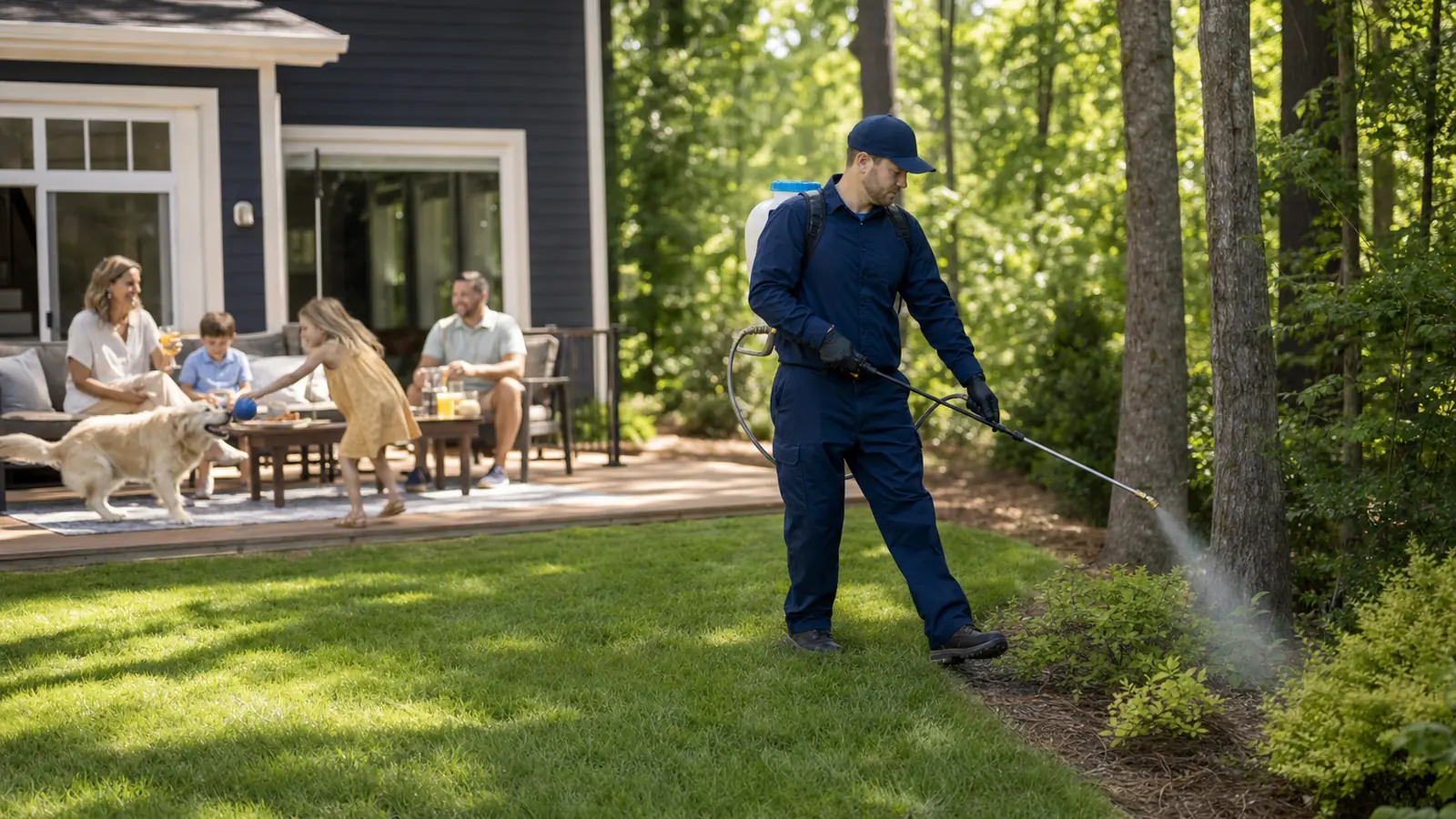
Dense vegetation gives mosquitoes shade, humidity, and shelter close to the home. Thick shrubs, overgrown grass, and heavy ground cover near entry points raise the odds of higher activity nearby. Trimming and thinning these spots can reduce resting habitat without any chemical step involved.
Overgrown shrubs near doors and windows create easy resting spots. These are close to where people spend time outdoors. This connects closely with Upstate SC service areas when you are comparing next steps.
Tall grass and thick ground cover hold moisture longer after rain. Regular mowing and trimming reduce this effect over time.
Ivy, dense hedges, and thick mulch beds near the foundation deserve a look too. These features are common in Upstate South Carolina yards. For a wider plan, pair this with mosquito prevention for families so the whole property is covered.
What this means for your home
- Practical takeaway: Dense vegetation gives mosquitoes shade, humidity, and shelter close to the home.
- ground cover moisture
Should patios and outdoor living areas get a separate check?
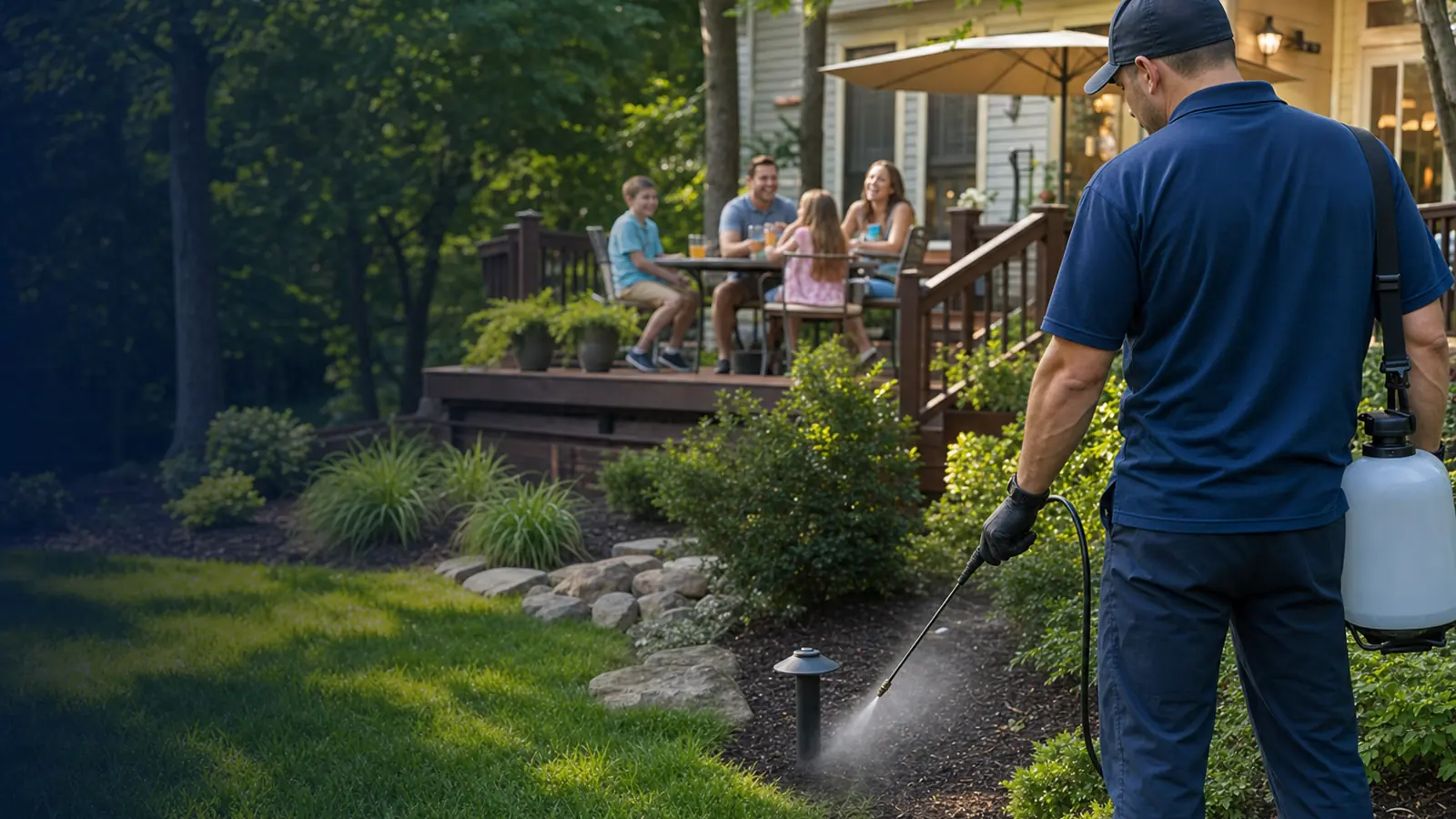
Yes. Patios and outdoor living areas need their own step because people spend the most time there. Furniture, planters, and structures can hold water or create shade pockets. A focused review here ties yard conditions to comfort during outdoor activities.
Furniture cushions, umbrella stands, and planters can trap small amounts of water after rain. These are easy to overlook next to larger yard features. Homeowners seeing similar pressure can also review requesting service from Paladin before scheduling.
Covered patios and pergolas create shaded zones. These may draw resting mosquitoes during warm, humid stretches.
Since families use patios often, understanding pressure here sets realistic expectations for outdoor comfort. It also shows a pest professional which areas matter most. This connects closely with mosquito yard treatment when you are comparing next steps.
What this means for your home
- Practical takeaway: Yes.
- outdoor living space check
Do window screens and entry points matter for mosquito control?
Yes. Screens and entry points decide whether outdoor pressure becomes an indoor problem. Torn screens, gaps around doors, and unsealed vents give mosquitoes a path inside the home. Checking these details rounds out a yard evaluation with a helpful indoor view too.
Small tears in window or door screens are easy to miss. A quick visual check during a walk-through can catch these early. For a wider plan, pair this with mosquito control services so the whole property is covered.
Gaps around exterior doors, especially older sliding doors, sometimes let mosquitoes in during evening hours. Weatherstripping and door sweeps help close these gaps.
This step links outdoor observations to the home itself. It also ties into Paladin's broader entry-point sealing and exclusion work used across other pest categories. Homeowners seeing similar pressure can also review requesting service from Paladin before scheduling.
What this means for your home
- window screen check
- Practical takeaway: Yes.
- door seal gaps
What can a homeowner control across property lines?
A homeowner can only manage their own property, but noting nearby influences still helps a great deal. Neighboring yards with standing water or overgrown plants can affect mosquito pressure no matter how well a yard is kept. This limit sets realistic expectations for any plan.
Mosquitoes can travel a meaningful distance from where they develop. A neighbor's uncovered pool cover or unmanaged ditch can still affect a well-kept yard nearby. This connects closely with mosquito prevention for families when you are comparing next steps.
A homeowner cannot control another property. Still, noting visible conditions like standing water in a ditch helps explain patterns a yard evaluation alone cannot cover.
This context matters when discussing results with a pest professional. It helps set fair expectations instead of assuming one treatment fixes every source of activity. For a wider plan, pair this with mosquito control services so the whole property is covered.
What this means for your home
- Practical takeaway: A homeowner can only manage their own property, but noting nearby influences still helps a great deal.
When does mosquito season typically peak in South Carolina?
Mosquito season in South Carolina usually runs from spring through early fall. Activity tends to peak during warm, humid months. Exact timing shifts each year based on rainfall and temperature. Knowing this general window helps homeowners plan a yard evaluation before pressure typically rises.
Warm temperatures and high humidity create good conditions for mosquito growth and adult activity. In Upstate South Carolina, this often means more attention from late spring through early fall. Homeowners seeing similar pressure can also review mosquito yard treatment before scheduling.
Rainfall plays a role too. More frequent rain creates more standing water chances across a property.
Scheduling a walk-through before the season ramps up gives homeowners more time. Drainage, vegetation, and screen issues can be fixed before outdoor activity peaks. This connects closely with mosquito prevention for families when you are comparing next steps.
What this means for your home
- Practical takeaway: Mosquito season in South Carolina usually runs from spring through early fall.
Mosquito yard protection
Source reduction first, treatment second, that's how Upstate yards stay usable
Every Paladin mosquito visit walks the yard for the breeding source: gutters, planters, kid pools, dog bowls, low spots, downspout splash blocks. The biggest mosquito reduction usually happens before we ever apply product.
Treatment targets the resting harborage along shaded shrubs and the foundation. Pet-aware, kid-aware, and re-applied on the cadence that actually matches Upstate humidity.
Why this post exists on the Paladin blog
This post was written by someone who actually does this work on Upstate homes, not by a contractor or a marketing team that has never seen the species in person. The Paladin blog exists to answer the questions we hear on real service calls, honestly, in plain English, without selling you a service you do not need. If a post helps you solve the problem on your own, that is a successful post for us. If you read it and decide you would rather have a trained technician on site, that is what the phone is for. Either path is fine.
A first Paladin visit is intended to document the activity, inspect relevant areas, and explain the proposed scope before work begins. Appointment timing and the exact inspection areas depend on the request and property access. Call (864) 816-7658 or use the contact form so the office can confirm the current options.
Paladin is based in Boiling Springs, SC and serves the approved Upstate locations listed on this site. Each recommendation should be tied to conditions documented at the property, including pest evidence, moisture, entry points, food, water, shelter, and access. The office confirms address availability without promising a route frequency or response window.
Keep exploring Paladin
Related Paladin services and guides for Upstate homeowners.
- See the full mosquito program at Paladin
- Yard mosquito treatment programs
- Targeted mosquito spraying
- Yard pest prevention programs
- Protect your family from mosquitoes
- Upstate mosquito yard protection
- Find a city near you on our Upstate route
- Tell Paladin what you are seeing and ask about current availability

Frequently asked questions
What should a mosquito control yard evaluation in Boiling Springs, SC include?
A thorough evaluation should check standing water, shaded resting zones, vegetation density, drainage patterns, patio areas, and window screens. Walking through each zone and writing down what you see gives a clearer picture of pressure points. This record helps guide any plan proposed later for the property, without assuming a single fix will solve everything.
Can a homeowner reduce mosquito pressure without pesticide use?
Yes. Removing standing water, trimming dense plants, and fixing screens can lower mosquito pressure without any chemical step. These actions address breeding sites and resting zones directly. They also support any additional professional plan a homeowner considers later, since a cleaner yard gives that plan a stronger starting point.
Why does shade matter in a mosquito yard evaluation?
Shade keeps areas cool and humid, which is exactly what mosquitoes prefer for daytime rest. Checking shaded zones under shrubs, fences, and patios, alongside sunny open areas, gives a fuller view of where adult mosquitoes tend to gather. Skipping shaded spots often leaves major activity areas unnoticed during a yard review.
Does a neighbor's yard affect mosquito control in Boiling Springs, SC?
Yes. Mosquitoes can travel from nearby properties, so a neighbor's standing water or overgrown plants may still affect a yard that is otherwise well kept. This is a normal limit on any yard evaluation. Mentioning it during a conversation with a pest professional helps set fair, realistic expectations for outcomes.
When is the best time to schedule a mosquito yard evaluation?
Scheduling an evaluation in early spring works well, since it comes before mosquito activity usually increases. This timing gives homeowners a chance to address drainage, vegetation, and screen issues early. Evaluations done later in the season still hold value, especially for tracking pressure that builds up over the summer months.
Ready to shield your family?
One call to Paladin and we’ll meet you where you are, from a quick walk-through to a long-term protection plan.