Upstate South Carolina · Careful, targeted pest control
Fire Ant Control in Boiling Springs, SC: Choosing a Yard Treatment Plan
Choosing fire ant control in Boiling Springs, SC starts with mapping mound locations, noting how the yard is used, and asking a provider how they monitor results over time. A sound plan follows Clemson-based guidance, treats the…
- Low-disruption applications focused on cracks, voids, and entry points
- Reachable techs, text us, call us, we answer
- Quarterly programs or one-time visits, your call
Quick Answer
Choosing fire ant control in Boiling Springs, SC starts with mapping mound locations, noting how the yard is used, and asking a provider how they monitor results over time. A sound plan follows Clemson-based guidance, treats the whole yard rather than single mounds, and includes a clear follow-up schedule.
For the next step, compare ant control options, read about how to protect your family from ants, or check where Paladin works across Upstate SC.
Key Takeaways
- Map mound locations before comparing treatment plan options.
- Whole-yard approaches often outperform single-mound treatments.
- Ask providers how they monitor results after treatment.
- Yard use patterns should shape the treatment approach.
- Clemson guidance favors broadcast bait strategies for large areas.
- Documentation helps track mound activity over several weeks.
- A follow-up schedule signals a thoughtful treatment plan.
How common are fire ants in Boiling Springs, SC yards?
Fire ants are established across much of South Carolina, including the Upstate, and Boiling Springs yards are not exempt. Mounds tend to appear in sunny, open turf areas after rain. Homeowners often notice new mounds in spring and again in early fall when conditions favor ant activity.
Fire ants build mounds that can appear seemingly overnight in lawns. They favor open, sunny spots but can also settle near walkways, flower beds, and irrigation boxes. This connects closely with ant control options when you are comparing next steps.
Because they spread through mating flights and budding colonies, one yard can host several mounds at once. This makes casual mound counting a useful first step before choosing a treatment plan.
Clemson Cooperative Extension notes that fire ant activity fluctuates with soil moisture and temperature. Watching for new mounds after rain gives a realistic picture of pressure in a given season. For a wider plan, pair this with Upstate SC service areas so the whole property is covered.
What this means for your home
- Boiling Springs service is adjusted to the home style, season, and pressure pattern instead of using the same checklist everywhere.
- Practical takeaway: Fire ants are established across much of South Carolina, including the Upstate, and Boiling Springs yards are not exempt.

Why should the whole yard be evaluated instead of single mounds?
Treating only visible mounds misses ants that have not yet built a mound above the surface. Clemson guidance recommends broadcast approaches across the full yard because fire ant colonies are often more numerous than they appear. A whole-yard view supports a more complete treatment plan.
Visible mounds represent only part of the colony structure below ground. Some colonies stay hidden until conditions push them to build a new mound. Homeowners seeing similar pressure can also review protecting your family from ants before scheduling.
A broadcast-based approach, as described by Clemson HGIC, targets the larger population rather than chasing individual mounds one at a time. This reduces the chance of missed colonies.
When comparing plans, ask whether the provider evaluates the entire yard or focuses only on mounds you can already see. A wider view often catches problems early. This connects closely with requesting service from Paladin when you are comparing next steps.
What this means for your home
- Practical takeaway: Treating only visible mounds misses ants that have not yet built a mound above the surface.
How do I know if my yard has a fire ant problem worth treating?
Look for small to medium dirt mounds in open, sunny areas of the lawn, especially after rain. Multiple mounds appearing across the yard, rather than just one, usually signal an established population worth addressing with a structured plan.
Ready for a straight answer?
Call or message, we'll listen first and recommend only what fits your home.
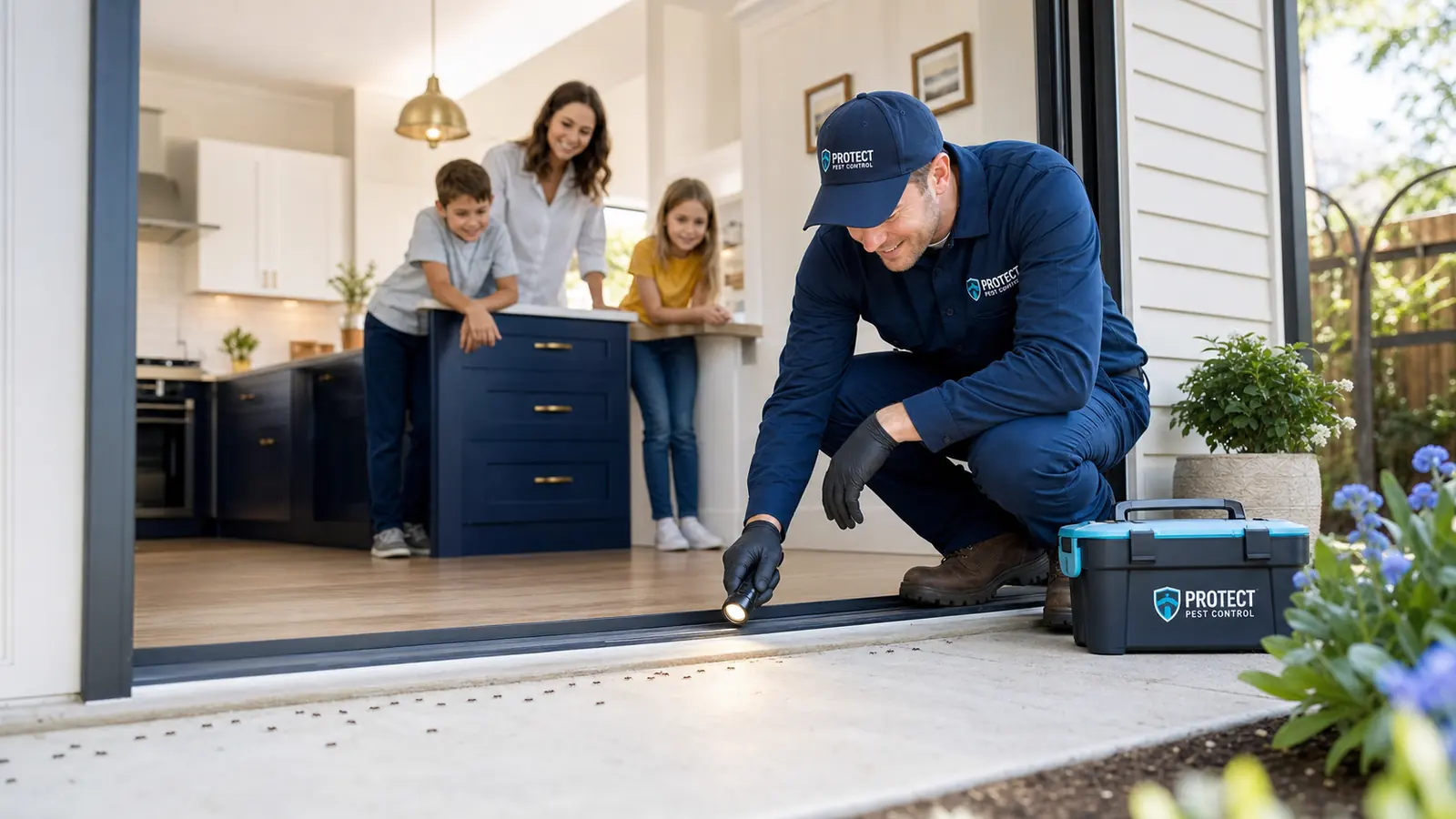
How should yard use shape a fire ant treatment plan?
Areas where children play, pets roam, or people walk barefoot deserve extra attention when planning fire ant control. A treatment plan should account for these high-use zones separately from less-trafficked corners of the property. This helps set realistic monitoring priorities.
Not all parts of a yard carry equal risk. A patio, play set, or garden bed used daily matters more than a back corner near a fence line. For a wider plan, pair this with exterior perimeter treatment so the whole property is covered.
Homeowners can sketch a simple yard map noting these high-use areas alongside any known mound locations. This map becomes a useful reference when discussing priorities with a provider.
A provider who asks about how the yard is used, rather than jumping straight to a generic plan, is showing attention to the specific property. That kind of conversation is worth having before any work begins. Homeowners seeing similar pressure can also review ant control options before scheduling.
What this means for your home
- Practical takeaway: Areas where children play, pets roam, or people walk barefoot deserve extra attention when planning fire ant control.
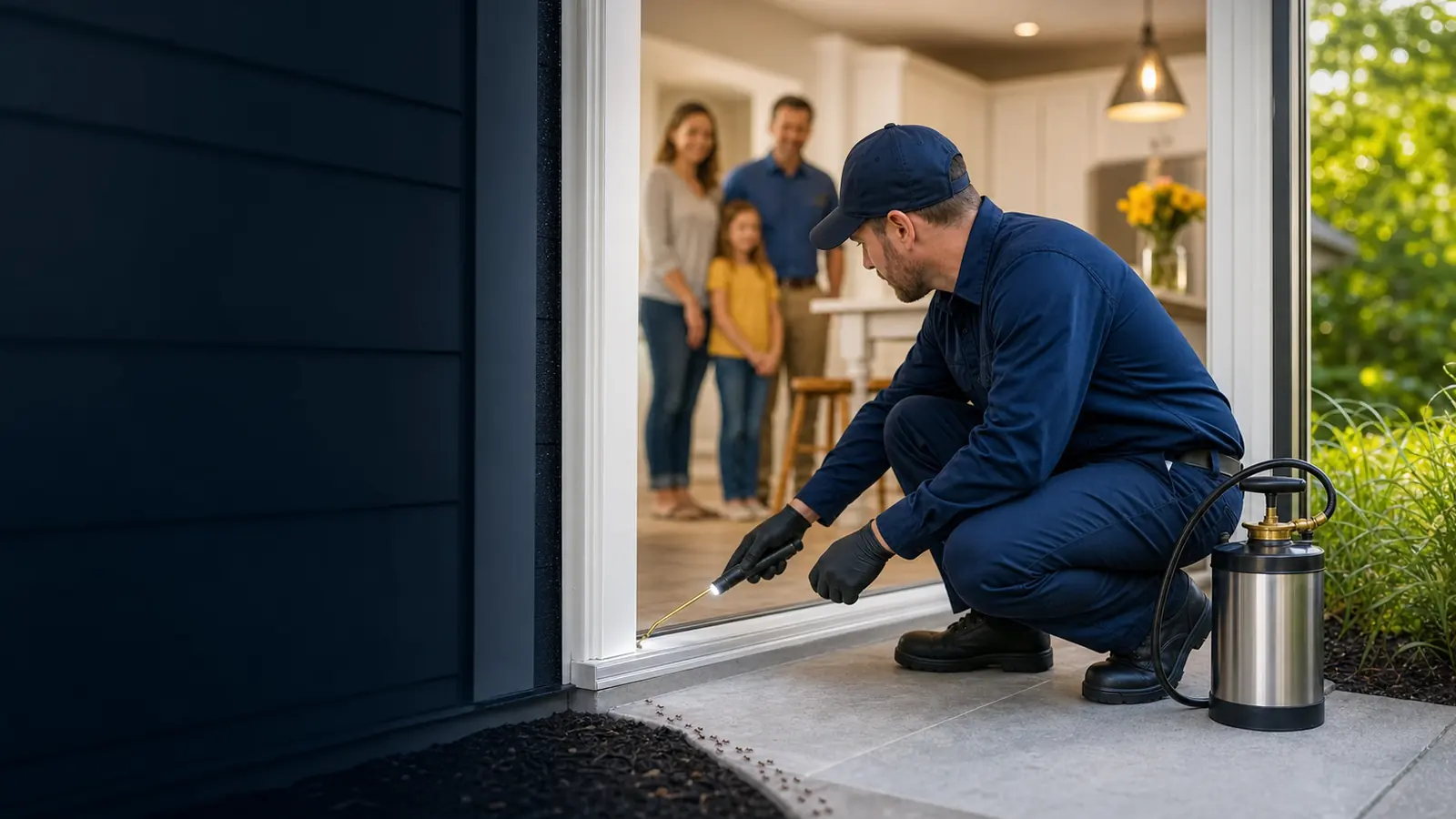
Which questions help compare fire ant treatment plans?
Ask how a provider maps mound locations, whether they use a whole-yard or spot approach, and how they schedule follow-up visits. Also ask what documentation they keep between visits. These questions reveal how organized and consistent a treatment plan will be over time.
A clear plan should explain how the yard will be assessed before any product is chosen. This includes noting mound locations, yard use, and any relevant site conditions. This connects closely with Upstate SC service areas when you are comparing next steps.
Ask about the interval between the first treatment and any follow-up check. Fire ant colonies can take time to respond, so a single visit rarely tells the full story.
Providers who keep simple records, such as mound counts or photos over time, make it easier to judge whether a plan is working. This kind of tracking supports informed decisions going forward. For a wider plan, pair this with protecting your family from ants so the whole property is covered.
What this means for your home
- Practical takeaway: Ask how a provider maps mound locations, whether they use a whole-yard or spot approach, and how they schedule follow-up visits.
- Follow-up visits confirm whether the ant control activity is dropping and whether any new entry points or pressure signs appeared.

What follow-up observations should homeowners document?
Homeowners should note the date and location of new or reappearing mounds, along with any changes in mound size. Simple photos taken every week or two help track patterns. This information gives both the homeowner and provider a clearer picture of progress.
A basic log does not need to be complicated. A notebook or phone note with dates and rough mound locations is enough to start. Homeowners seeing similar pressure can also review requesting service from Paladin before scheduling.
Photos taken from a consistent angle make it easier to compare mound activity across several weeks. This is especially useful after rain, when new mounds tend to surface.
Sharing this record with a provider during a follow-up visit helps confirm whether the current plan is working or needs adjustment. Documentation turns guesswork into a clearer conversation. This connects closely with exterior perimeter treatment when you are comparing next steps.
What this means for your home
- Practical takeaway: Homeowners should note the date and location of new or reappearing mounds, along with any changes in mound size.
- Documentation should summarize findings, treated areas, product locations where applicable, and the recommended follow-up plan.

Should a treatment plan follow label-led guidance?
Yes, a sound fire ant treatment plan should follow product label directions and recognized guidance such as Clemson's broadcast bait recommendations. Label-led methods are designed to match how the product performs in real conditions. This reduces guesswork and keeps the approach consistent.
Product labels are written to reflect how a treatment is meant to work across different yard conditions. Following them closely is part of responsible pest management. For a wider plan, pair this with ant control options so the whole property is covered.
Clemson HGIC outlines broadcast bait timing and general approach for controlling fire ants across larger areas. This kind of research-based guidance is a helpful reference point when evaluating a plan.
The EPA also emphasizes reading and following label instructions as a core part of safe pest control practices. A provider who references these sources is grounding their plan in established guidance rather than guesswork. Homeowners seeing similar pressure can also review requesting service from Paladin before scheduling.
What this means for your home
- Practical takeaway: Yes, a sound fire ant treatment plan should follow product label directions and recognized guidance such as Clemson's broadcast bait recommendations.
Can a single visit resolve a fire ant problem?
A single visit rarely resolves fire ant activity completely, since colonies can persist below ground even after visible mounds are addressed. Ongoing monitoring and possible follow-up treatments are usually part of a realistic plan. Outcomes vary depending on colony size and yard conditions.
Fire ant colonies can be extensive underground, and one treatment may not reach every part of a colony network. This is why monitoring after the first visit matters. This connects closely with protecting your family from ants when you are comparing next steps.
A realistic plan sets expectations about checking back within a few weeks to see whether mound activity has changed. This step helps determine if further action is needed.
Homeowners should be cautious of any plan that promises a single visit will fully resolve an established fire ant population. A more measured approach tends to reflect how these colonies actually behave. For a wider plan, pair this with ant control options so the whole property is covered.
What this means for your home
- Follow-up visits confirm whether the ant control activity is dropping and whether any new entry points or pressure signs appeared.
- Practical takeaway: A single visit rarely resolves fire ant activity completely, since colonies can persist below ground even after visible mounds are addressed.
Is professional fire ant control worth considering in Boiling Springs, SC?
Professional fire ant control in Boiling Springs, SC can offer structured mapping, label-led methods, and consistent follow-up that are harder to manage alone. A provider familiar with local yard conditions can help organize a plan around mound activity and yard use. This structured approach often supports better long-term tracking.
Coordinating mound mapping, product selection, and follow-up visits takes time and attention. A provider can bring a consistent process to these steps. Homeowners seeing similar pressure can also review exterior perimeter treatment before scheduling.
Paladin Pest Solutions is based in Boiling Springs, SC and serves approved locations across the Upstate. Reaching out starts a conversation about your yard's specific mound activity and use patterns.
Homeowners considering professional help can review the fire ant control page and then contact the team to discuss next steps for their property. This connects closely with protecting your family from ants when you are comparing next steps.
What this means for your home
- Boiling Springs service is adjusted to the home style, season, and pressure pattern instead of using the same checklist everywhere.
- Practical takeaway: Professional fire ant control in Boiling Springs, SC can offer structured mapping, label-led methods, and consistent follow-up that are harder to manage alone.
Ants in Upstate homes
Ant trails follow conditions, we fix the conditions, then we treat the trail
The single biggest mistake on an ant call is spraying the visible bug. That scatters the colony and forces a budding split-off that's harder to control next month. Paladin technicians bait the trail first, then chase moisture and food sources that drew the scouts in.
Sugar ants in a kitchen, fire ants in a yard, and carpenter ants in damp framing all need different treatment. Our visit identifies which one you have and adjusts.
Why this post exists on the Paladin blog
This post was written by someone who actually does this work on Upstate homes, not by a contractor or a marketing team that has never seen the species in person. The Paladin blog exists to answer the questions we hear on real service calls, honestly, in plain English, without selling you a service you do not need. If a post helps you solve the problem on your own, that is a successful post for us. If you read it and decide you would rather have a trained technician on site, that is what the phone is for. Either path is fine.
A first Paladin visit is intended to document the activity, inspect relevant areas, and explain the proposed scope before work begins. Appointment timing and the exact inspection areas depend on the request and property access. Call (864) 816-7658 or use the contact form so the office can confirm the current options.
Paladin is based in Boiling Springs, SC and serves the approved Upstate locations listed on this site. Each recommendation should be tied to conditions documented at the property, including pest evidence, moisture, entry points, food, water, shelter, and access. The office confirms address availability without promising a route frequency or response window.
Keep exploring Paladin
Related Paladin services and guides for Upstate homeowners.
- See the full ant program at Paladin
- Fire ant mound control for Upstate yards
- Carpenter ant inspection for damp framing
- Sugar ant kitchen trail control
- Protect your family from ants
- Ant identification and prevention guides
- Find a city near you on our Upstate route
- Tell Paladin what you are seeing and ask about current availability

Frequently asked questions
How often do fire ant mounds reappear after treatment?
Mound reappearance varies by yard and season, since fire ant colonies can persist underground even after a treatment plan begins. Monitoring over several weeks helps track whether activity is declining or shifting to new areas. A follow-up visit is often part of a realistic plan to confirm progress and adjust as needed.
Should I map every mound before contacting a provider?
Mapping visible mounds and noting dates helps a provider understand your yard's activity level before the first visit. It is not required before reaching out, but it can make the initial conversation more productive and help set clear monitoring priorities from the start of the plan.
Does yard size affect how a fire ant plan is structured?
Yes, larger yards may need a broader broadcast-based approach as described in Clemson guidance, while smaller yards might need more limited attention to fewer mound sites. Discussing yard size and layout with a provider helps shape realistic expectations for how the plan will unfold over time.
What should I ask about follow-up visits?
Ask how soon after initial treatment a follow-up check happens and what specific signs the provider looks for during that visit. Understanding this timeline helps you know when to expect updates and how progress will be measured against the original mound map.
Are broadcast bait methods only useful for large properties?
Broadcast methods described by Clemson HGIC are often used for larger areas but can apply to various yard sizes depending on how mounds are spread across the property. The right approach depends less on total acreage and more on where activity is concentrated.
Can I combine my own observations with a provider's monitoring?
Yes, sharing your own notes on mound locations and dates alongside a provider's scheduled visits creates a fuller picture of yard activity over time. This combined documentation supports better decisions about whether the current plan is working or needs adjustment.
Ready to shield your family?
One call to Paladin and we’ll meet you where you are, from a quick walk-through to a long-term protection plan.