Upstate South Carolina · Identify first, treat the right spot
Crawl Space Pest Control in Boiling Springs, SC: When Moisture Work Enters the Scope
Crawl space pest control in Boiling Springs, SC covers pest evidence, entry points, and conditions that draw pests in. If an inspection finds standing water, soaked insulation, or fungal growth, that part shifts to a moisture…
- Low-disruption applications focused on cracks, voids, and entry points
- Reachable techs, text us, call us, we answer
- Quarterly programs or one-time visits, your call
Quick Answer
Crawl space pest control in Boiling Springs, SC covers pest evidence, entry points, and conditions that draw pests in. If an inspection finds standing water, soaked insulation, or fungal growth, that part shifts to a moisture talk. The pest report stays focused on pest signs. The moisture side gets its own review from a different specialist.
For the next step, compare moisture remediation, read about crawl space moisture control, or check where Paladin works across Upstate SC.
Key Takeaways
- Pest inspections record evidence, not moisture source causes.
- Standing water or fungal growth often signals a separate scope.
- Vapor barrier condition matters for pests and moisture alike.
- Entry-point sealing helps limit pest access to the home.
- Insulation damage may need trade referral beyond pest work.
- Photos and clear notes help sort out each scope.
- Paladin uses Integrated Pest Management to guide treatment steps.
How can crawl-space moisture affect pest pressure?
Moisture in a crawl space can create conditions pests find attractive. Soft wood, high humidity, and organic debris all play a part. A damp crawl space does not always mean pests are active. Still, pest signs and moisture often turn up together during one visit.
Damp wood is easier for some pests to reach than dry, sound wood. Steady moisture can also feed fungal growth. Some pests use that growth as a food source. This connects closely with moisture remediation when you are comparing next steps.
High humidity can make a crawl space more welcoming to certain insects. This is one reason an inspector notes humidity apart from actual pest sightings.
The Environmental Protection Agency describes Integrated Pest Management as an approach focused on conditions that support pest activity. It looks beyond the pests alone. Moisture is one of those supporting conditions. For a wider plan, pair this with Upstate SC service areas so the whole property is covered.
Because moisture and pest evidence often overlap, a solid report should list both. This stays true even when only one issue falls inside the pest control scope.
What this means for your home
- Boiling Springs service is adjusted to the home style, season, and pressure pattern instead of using the same checklist everywhere.
- Practical takeaway: Moisture in a crawl space can create conditions pests find attractive.
- Condition correction lowers repeat pressure by addressing moisture, food sources, harborage, and easy entry points.
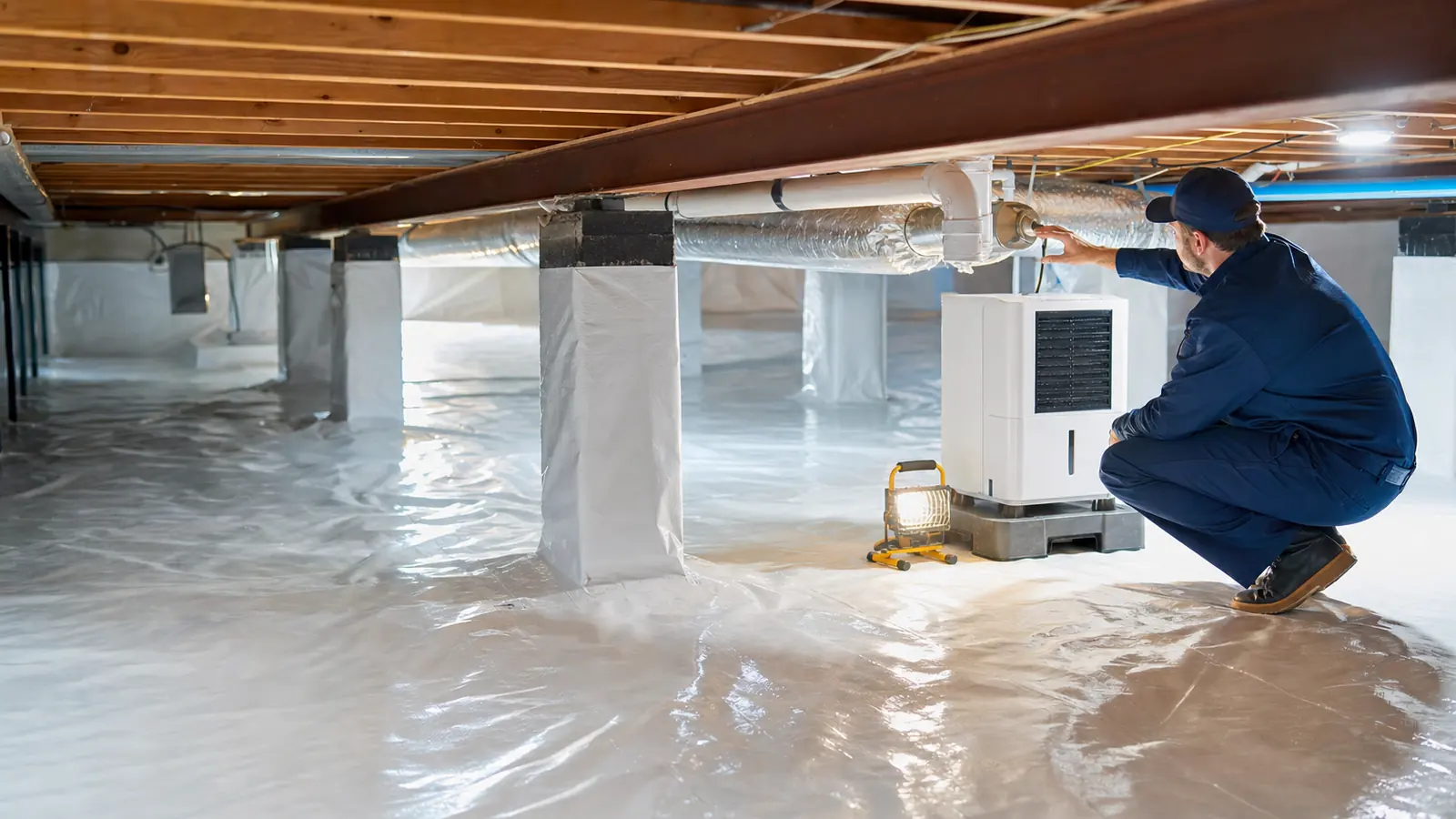
Which observations belong in a pest inspection report?
A pest inspection report should note pest evidence, droppings, shelter tubes, damaged wood, and entry points around the crawl space. It records what is seen during the visit. It does not diagnose the cause of moisture or suggest repairs outside the pest control scope.
Visible pest activity, including droppings, shed skins, or shelter tubes, belongs in a pest inspection report. These are direct signs that shape the pest control plan. Homeowners seeing similar pressure can also review crawl space moisture control before scheduling.
Entry points such as gaps around utility lines, vents, or foundation cracks matter too. Sealing these openings is part of standard exclusion work.
Conditions like standing water, wet insulation, or visible mold get noted as observations. The report can flag them for further review without naming a cause. This connects closely with requesting service from Paladin when you are comparing next steps.
This separation keeps the pest inspection focused and accurate. It also gives the homeowner a clear record to share with a moisture specialist if needed.
What this means for your home
- Documentation should summarize findings, treated areas, product locations where applicable, and the recommended follow-up plan.
- Practical takeaway: A pest inspection report should note pest evidence, droppings, shelter tubes, damaged wood, and entry points around the crawl space.
- Service notes should tell you what was found, what was treated, and what to watch for before the next visit.
Does Paladin Pest Solutions handle moisture remediation directly?
Paladin Pest Solutions focuses on pest related services. This includes crawl space inspections and entry point sealing. When moisture issues fall outside that scope, the inspection findings can support a separate talk about moisture remediation options.
Ready for a straight answer?
Call or message, we'll listen first and recommend only what fits your home.

When should plumbing or structural specialists be consulted?
Plumbing or structural specialists should step in when an inspection finds active leaks, standing water, sagging floor joists, or heavy wood decay. These conditions sit outside pest control. They need review by professionals trained in those specific trades, not a pest inspector.
A pest inspection can note standing water near a plumbing fixture. But tracing the leak source is a plumbing task. The pest report simply documents what was seen. For a wider plan, pair this with vapor barrier installation so the whole property is covered.
Structural concerns, such as sagging joists or soft subflooring, need review by someone trained in structural work. Pest control staff are not positioned to make that call.
Sending these findings to the right trade keeps the homeowner informed. It avoids overstating what a pest inspection can confirm. It also helps the moisture source get addressed sooner. Homeowners seeing similar pressure can also review moisture remediation before scheduling.
Paladin Pest Solutions can point out these observations during a crawl space visit. From there, a separate moisture discussion can follow.
What this means for your home
- Practical takeaway: Plumbing or structural specialists should step in when an inspection finds active leaks, standing water, sagging floor joists, or heavy wood decay.

Why do vapor barriers matter for pest control decisions?
Vapor barriers hold back ground moisture that would otherwise rise into the crawl space. This can lower conditions that draw certain pests in. A torn or missing vapor barrier gets noted during inspection. It affects both moisture levels and how easily pests move through the space.
A vapor barrier that is intact and sealed well helps keep ground moisture out of the crawl space air. This can reduce humidity that supports some pest activity. This connects closely with Upstate SC service areas when you are comparing next steps.
When a vapor barrier is torn, missing, or poorly installed, ground moisture can rise more freely. This detail matters in both a pest and a moisture context.
Replacing or repairing a vapor barrier usually falls under moisture control work rather than pest treatment. Still, its condition stays relevant to a pest inspection. For a wider plan, pair this with crawl space moisture control so the whole property is covered.
Paladin's multi-point inspections include observations like vapor barrier condition. This helps homeowners see where each scope of work starts and ends.
What this means for your home
- Practical takeaway: Vapor barriers hold back ground moisture that would otherwise rise into the crawl space.
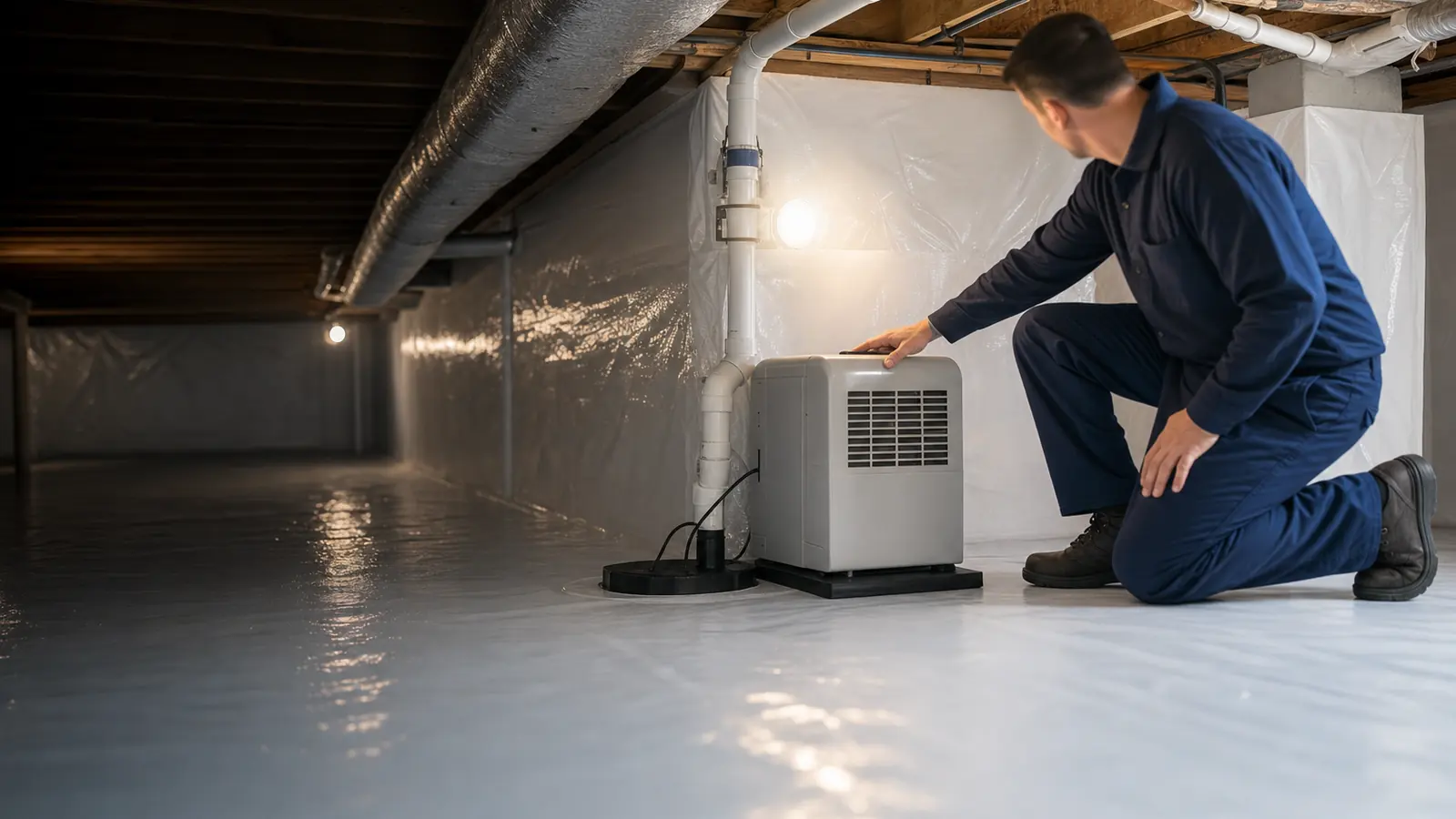
Can entry-point sealing reduce both pest and moisture issues?
Entry-point sealing can lower pest access. In some cases it also limits extra moisture or debris from entering the crawl space. Sealing gaps around vents, pipes, and foundation openings is standard exclusion work. It sits within the pest control scope of service.
Gaps around utility lines or vents can let pests enter a crawl space. Sealing these points is a core piece of exclusion work. Homeowners seeing similar pressure can also review requesting service from Paladin before scheduling.
In some cases, the same gaps that let pests in also allow rain or ground moisture to seep through more easily. Sealing them can offer a side benefit.
This does not replace dedicated moisture control steps like drainage work or dehumidification. Those remain separate considerations outside typical pest exclusion. This connects closely with vapor barrier installation when you are comparing next steps.
Paladin Pest Solutions performs entry-point sealing and exclusion as part of its listed capabilities. The focus stays on limiting pest access to the structure.
What this means for your home
- Practical takeaway: Entry-point sealing can lower pest access.
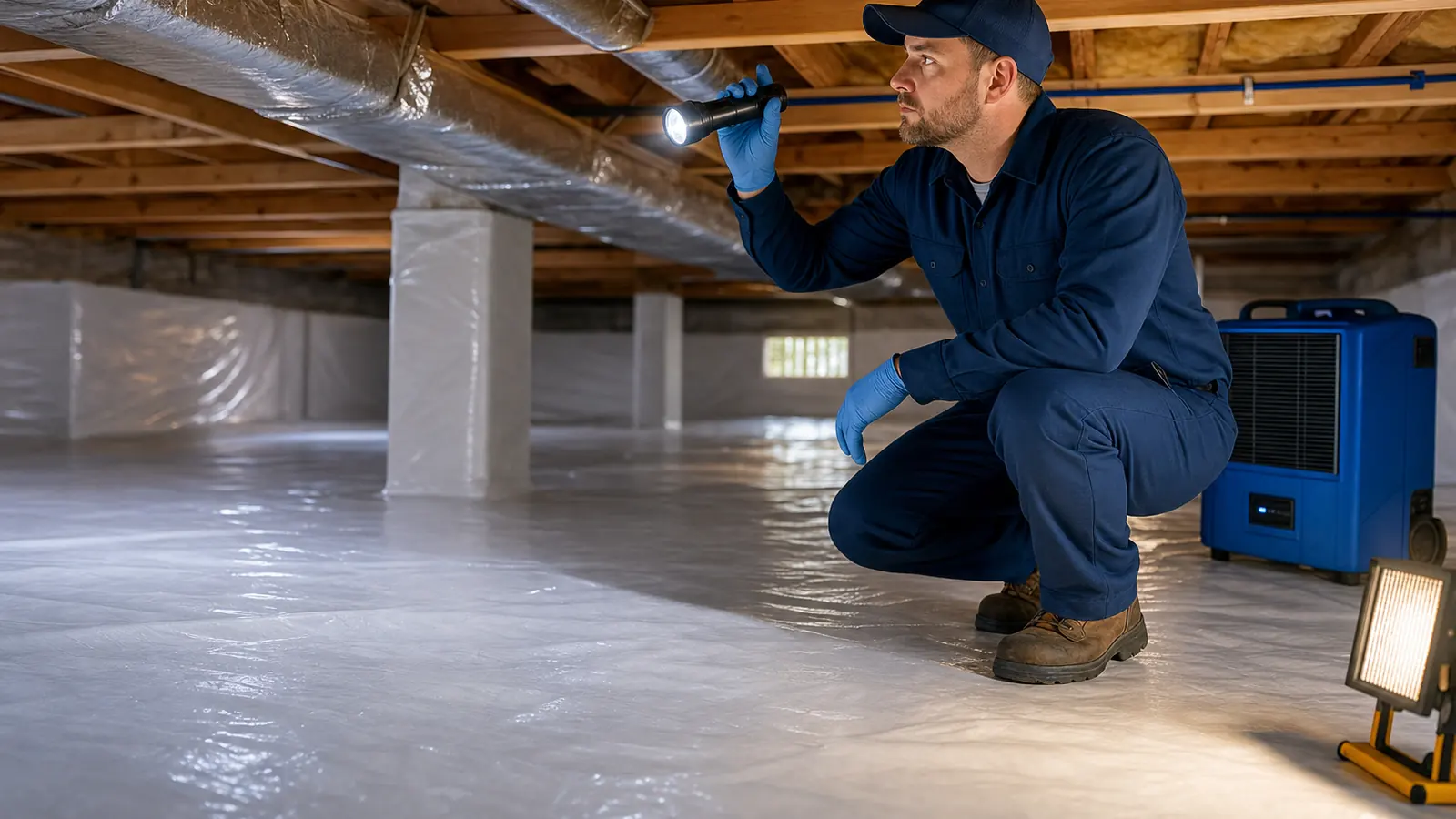
Does insulation damage always signal a pest problem?
Insulation damage does not always point to a pest problem. Moisture, age, or a poor install job can cause insulation to sag or break down with no pests involved. The cause should be confirmed before anyone assumes pest activity is to blame.
Wet or sagging insulation can come from a moisture issue alone, such as a slow leak or poor ventilation. This is worth noting during an inspection without assuming a pest cause. For a wider plan, pair this with moisture remediation so the whole property is covered.
Some insulation damage does show clear pest signs, like gnaw marks or nesting material. These details help separate pest related damage from moisture related damage.
When the cause stays unclear, it makes sense to note the observation and suggest further review. Naming a definitive cause on the spot is not appropriate. Homeowners seeing similar pressure can also review requesting service from Paladin before scheduling.
This careful approach keeps the inspection report accurate. It also avoids overstating what a visual pest inspection can determine about insulation condition.
What this means for your home
- Practical takeaway: Insulation damage does not always point to a pest problem.
- Service notes should tell you what was found, what was treated, and what to watch for before the next visit.
Is dehumidification part of a standard pest control visit?
Dehumidification is not typically part of a standard pest control visit. It falls under moisture management instead. Once an inspection flags humidity as a contributing condition, that topic usually moves into a separate discussion focused on the moisture issue alone.
A pest inspection can note higher humidity as an observation. This detail supports the overall picture of conditions in the crawl space. This connects closely with crawl space moisture control when you are comparing next steps.
Installing or maintaining a dehumidification system is a moisture management task, not a pest control service. It calls for its own evaluation and equipment.
When humidity appears to feed ongoing pest activity, it makes sense to raise the topic with a moisture specialist alongside the pest control plan. For a wider plan, pair this with moisture remediation so the whole property is covered.
Paladin Pest Solutions can identify humidity as a factor during a crawl space inspection. From there, homeowners get pointed toward the right next step.
What this means for your home
- Practical takeaway: Dehumidification is not typically part of a standard pest control visit.
Should termite evidence change the inspection approach?
Termite evidence should prompt closer notes on mud tubes, damaged wood, and nearby moisture sources. Termites rely on steady moisture to survive, so the two often show up together. Confirming how far the activity spreads usually calls for focused follow-up rather than one general pest visit.
Subterranean termites need steady moisture to survive. This is why termite evidence and moisture conditions often appear in the same part of a crawl space. Homeowners seeing similar pressure can also review vapor barrier installation before scheduling.
The Clemson Cooperative Extension Home and Garden Information Center notes that subterranean termite activity ties closely to soil moisture and wood-to-ground contact.
Recording mud tubes, wood damage, and nearby moisture sources gives a clearer picture for planning next steps. This holds true for further pest evaluation or moisture correction alike. This connects closely with crawl space moisture control when you are comparing next steps.
This layered documentation approach reflects how Paladin's multi-point inspections separate termite specific evidence from general moisture observations.
What this means for your home
- Documentation should summarize findings, treated areas, product locations where applicable, and the recommended follow-up plan.
- Practical takeaway: Termite evidence should prompt closer notes on mud tubes, damaged wood, and nearby moisture sources.
- Service notes should tell you what was found, what was treated, and what to watch for before the next visit.
Crawl space and moisture
Drop crawl-space humidity below 55% and keep it there
Most recurring pest pressure traces back to crawl-space conditions. We measure relative humidity, check the vapor barrier, inspect the dehumidifier and ducts, and look at drainage outside before we quote a scope.
Done well, that means a 12-mil reinforced barrier sealed to piers and walls, a sized professional dehumidifier with auto-drain, and a sealed access door.
Why this post exists on the Paladin blog
This post was written by someone who actually does this work on Upstate homes, not by a contractor or a marketing team that has never seen the species in person. The Paladin blog exists to answer the questions we hear on real service calls, honestly, in plain English, without selling you a service you do not need. If a post helps you solve the problem on your own, that is a successful post for us. If you read it and decide you would rather have a trained technician on site, that is what the phone is for. Either path is fine.
A first Paladin visit is intended to document the activity, inspect relevant areas, and explain the proposed scope before work begins. Appointment timing and the exact inspection areas depend on the request and property access. Call (864) 816-7658 or use the contact form so the office can confirm the current options.
Paladin is based in Boiling Springs, SC and serves the approved Upstate locations listed on this site. Each recommendation should be tied to conditions documented at the property, including pest evidence, moisture, entry points, food, water, shelter, and access. The office confirms address availability without promising a route frequency or response window.
Keep exploring Paladin
Related Paladin services and guides for Upstate homeowners.
Frequently asked questions
What does a crawl space pest inspection in Boiling Springs, SC typically cover?
A crawl space pest inspection covers visible pest evidence, entry points, and vapor barrier condition. It also includes general notes on moisture or insulation. It documents what is seen during the visit. It does not diagnose structural issues or pin down moisture sources beyond the pest control scope.
How do I know if my crawl space needs a moisture specialist instead of pest control?
If an inspection turns up standing water, active leaks, or heavy fungal growth, those findings usually point toward a moisture specialist. Paladin can note these observations during a pest visit. The team can then suggest the next step, so you know where to turn for further review.
Can sealing entry points help with both pests and moisture?
Sealing entry points like vent gaps or utility openings mainly reduces pest access into the crawl space. In some cases it can also limit extra moisture entry. Still, dedicated moisture control measures handle ground moisture and humidity through their own separate process.
Why does humidity matter during a pest inspection?
Humidity levels can shape how attractive a crawl space is to certain pests. Noting humidity during an inspection helps build a complete picture of conditions. Addressing humidity directly, though, falls under moisture management rather than the pest control scope itself.
Does termite evidence always mean there is a moisture problem?
Not always. But subterranean termites rely on steady moisture to survive and build their tunnels. So termite evidence and moisture conditions often show up in the same crawl space area. An inspection can document both findings separately. This helps support clear next steps for the homeowner and any specialist involved.
What should I do if my crawl space inspection report mentions both pest and moisture findings?
Review each finding on its own. Decide which items fall under pest control versus moisture management. Contacting Paladin Pest Solutions can help clarify the pest related items. A separate moisture specialist can take on the items that fall outside that scope.
Ready to shield your family?
One call to Paladin and we’ll meet you where you are, from a quick walk-through to a long-term protection plan.