Upstate South Carolina · Pest control built around your household
Crawl Space Pest Control in Boiling Springs, SC: 7 Checks
Crawl space pest control in Boiling Springs, SC starts with moisture, access, and entry-point checks because most insect and rodent problems begin below the floors before they show up in the kitchen or bathroom. A good inspection…
- Low-disruption applications focused on cracks, voids, and entry points
- Reachable techs, text us, call us, we answer
- Quarterly programs or one-time visits, your call
Quick Answer
Crawl space pest control in Boiling Springs, SC starts with moisture, access, and entry-point checks because most insect and rodent problems begin below the floors before they show up in the kitchen or bathroom. A good inspection looks for water, gaps, damaged vents, droppings, mud tubes, wood contact, and conditions that make the space easy for pests to use.
For the next step, compare moisture remediation, read about crawl space moisture control, or check where Paladin works across Upstate SC.
Key Takeaways
- A crawl space is not separate from the living area; air, moisture, insects, and odors can move upward through gaps around plumbing, wiring, and subfloor penetrations.
- Moisture is the first clue to check because damp wood and humid soil make the space more attractive to roaches, ants, rodents, termites, and occasional invaders.
- Foundation vents, crawl doors, pipe openings, and utility penetrations deserve close attention because small gaps can become reliable travel routes into the home.
- A safe pest plan protects the family above the crawl space by identifying the source of activity before placing treatment products or sealing access points.
- Professional help is worth considering when pest signs repeat after DIY treatment, when wood damage appears, or when the crawl space is too tight or unsafe to inspect.
Why do Boiling Springs crawl spaces attract pests?
Boiling Springs crawl spaces attract pests because they often provide three things insects and rodents need: moisture, shelter, and hidden access into the home. Warm Upstate weather, shaded soil, plumbing penetrations, and damaged vent screens can turn the space under the floor into a steady pest pathway.
A crawl space sits in the pressure zone between the outside world and the living space above it. In Boiling Springs, that zone deals with humid summers, heavy rain, clay soil, and long stretches where the underside of a home stays shaded. Those conditions do not automatically mean a pest problem, but they create a place where ants, roaches, rodents, spiders, and moisture-loving insects can settle before anyone notices them upstairs. This connects closely with crawl space pest inspection when you are comparing next steps.
The first mistake homeowners make is treating the crawl space like a storage void instead of part of the house. Air moves through gaps around plumbing, wiring, floor registers, and framing. So do odors and, in some cases, pests. If the crawl door has a loose corner, the foundation vent is torn, or a pipe opening was never sealed tightly, the crawl space becomes a staging area. That is why a crawl-space inspection pairs naturally with crawl space pest inspection instead of a surface-only spray inside the home.
Moisture changes the whole pest picture. The U.S. Environmental Protection Agency integrated pest management guidance describes pest control as a process that starts with monitoring, identification, and prevention before treatment is chosen. That approach fits crawl spaces because the best answer is rarely one product in one corner. The right answer is usually a sequence: identify the pest, find the condition that invited it, correct the access or moisture issue, then treat the active zone safely.
What this means for your home
- A crawl space with moisture, shelter, and gaps can feed several pest problems at once.
- Inspection should start below the home before repeated indoor treatments are blamed for failing.
- Boiling Springs service is adjusted to the home style, season, and pressure pattern instead of using the same checklist everywhere.

What are the 7 crawl space pest checks homeowners should know?
The seven checks are moisture, access doors, foundation vents, pipe and wire gaps, droppings or tracks, wood-to-soil contact, and visible insect shelter. These checks give you a practical way to understand whether the crawl space is inviting pests before the problem spreads upstairs.
Use this list as a homeowner-friendly map, not a reason to crawl into an unsafe area. If the space is tight, wet, moldy, or full of debris, stop at the entrance and call for help. A flashlight view from the door can still tell you a lot. Look for shine on the soil or vapor barrier, loose insulation, torn vent screens, daylight around pipe penetrations, small piles of droppings, and trails where animals or insects have moved repeatedly. Homeowners seeing similar pressure can also review request pest service before scheduling.
- Moisture under the floor. Look for standing water, muddy soil, condensation, or a vapor barrier that has pulled loose.
- Crawl door gaps. Check whether the door closes tightly and whether corners leave room for rodents or large insects.
- Foundation vent damage. Torn screens, warped frames, and missing covers are common pest access points.
- Pipe and wire openings. Small utility gaps can give ants, roaches, and mice a hidden route into wall voids.
- Droppings and tracks. Rodent droppings, rub marks, and disturbed insulation point to repeat movement.
- Wood touching soil. Wood-to-ground contact raises moisture risk and can complicate termite pressure.
- Harborage piles. Cardboard, stored items, leaves, and loose insulation give pests cover.
Those checks work because they focus on conditions, not panic. If you only chase the insect you saw in the bathroom, you may miss the damp vent bay, torn screen, or open pipe gap that keeps feeding the activity. Paladin Pest Solutions can pair those findings with crawl space moisture control when dampness is part of the problem, so the service plan addresses the reason pests keep returning.
What this means for your home
- Condition correction lowers repeat pressure by addressing moisture, food sources, harborage, and easy entry points.
- Do not enter a crawl space that looks unsafe, contaminated, or too tight to exit easily.
- A checklist helps separate one-time pest activity from a recurring crawl-space source.
Can I treat a crawl space pest problem myself?
You can handle simple prevention, such as clearing leaves, reducing clutter, redirecting water, and sealing obvious exterior gaps. Do not crawl into a wet, tight, contaminated, or unstable space to apply products. If droppings, termite signs, standing water, or damaged insulation are present, a professional inspection is the safer first move.
Ready for a straight answer?
Call or message, we'll listen first and recommend only what fits your home.

How does moisture change pest pressure under a house?
Moisture makes a crawl space more attractive because many pests need humidity, softened materials, or damp shelter to survive. It can also damage wood, loosen insulation, and create odor problems that draw rodents and insects toward the home instead of away from it.
Moisture is not one problem. It is the condition that makes other problems easier. A damp crawl space can support fungus, soften wood, rust metal screens, loosen insulation, and keep soil humid long after the yard dries out. Roaches and silverfish favor humidity. Ants follow water and food trails. Rodents use protected, dry pockets near damp areas because those pockets hide them while water stays close. Even spiders increase when the insects they eat become more active below the floor. For a wider plan, pair this with moisture remediation so the whole property is covered.
Clemson HGIC guidance on wood-boring beetles notes that some beetle issues are tied to moisture conditions in wood and crawl spaces. That does not mean every damp crawl space has beetles, and it does not mean every insect hole is a current infestation. It does mean moisture deserves serious attention. A technician should separate old damage from active signs, then explain what needs treatment, what needs moisture correction, and what may require a carpenter, plumber, or moisture specialist.
The honest limitation is important: pest control cannot fix every crawl-space problem by itself. If standing water comes from a plumbing leak, grading issue, or failed drain line, the water source needs correction. If floor joists show structural damage, a qualified repair professional may need to evaluate them. Pest work protects the home better when those limits are stated clearly rather than hidden behind a quick spray. Homeowners seeing similar pressure can also review Upstate SC service areas before scheduling.
What this means for your home
- Moisture control is prevention because it makes the crawl space less useful to pests.
- Old damage and active infestation are different findings and should not be treated as the same thing.
- Condition correction lowers repeat pressure by addressing moisture, food sources, harborage, and easy entry points.
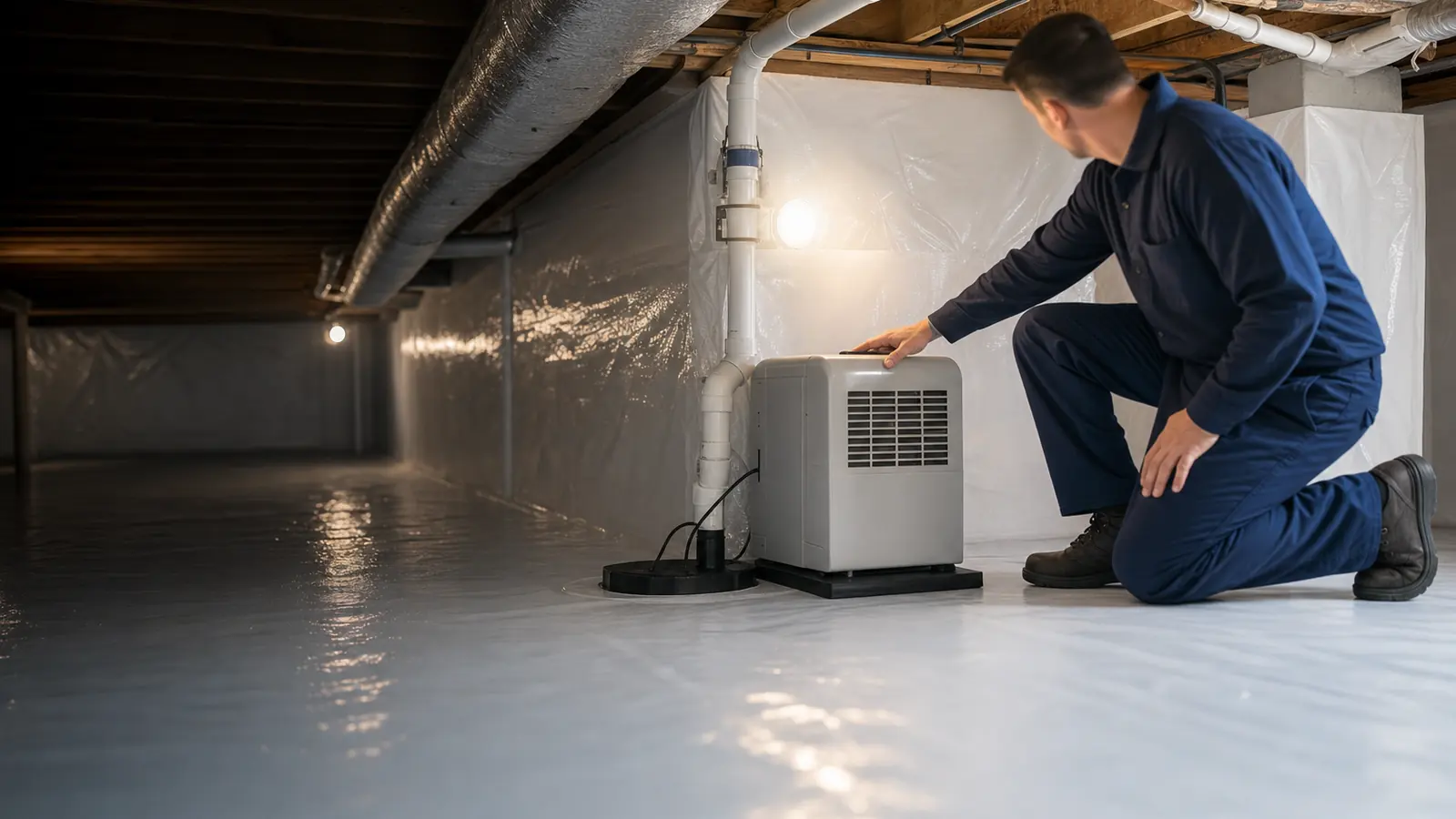
Which insects and animals start in crawl spaces?
Common crawl-space pests include ants, cockroaches, spiders, rodents, occasional invaders, and moisture-related insects. Termite evidence can also appear below the home, which is why pest signs in a crawl space should be identified carefully before treatment begins.
Different pests use the crawl space in different ways. Ants may trail along foundation edges and utility lines, then show up around kitchens or bathrooms. Roaches may use damp insulation, plumbing penetrations, and stored materials as cover. Spiders usually follow insect prey. Mice and rats look for entry points, warmth, and hidden travel lanes. Termites are a separate category because they are tied to wood, soil, and moisture, and their signs need careful inspection rather than guesswork. This connects closely with crawl space moisture control when you are comparing next steps.
The service response changes by pest. Ant trails call for identification and targeted treatment around the route. Roach activity often requires sanitation, moisture reduction, and cracks or voids to be addressed. Rodent signs need exclusion, trapping, and follow-up verification. Termite concerns may require a dedicated termite inspection or WDI inspection rather than a general pest visit. Grouping all of that under one generic crawl-space treatment is how bad recommendations happen.
For families, the practical goal is simple: reduce pest access without creating new safety worries. That means choosing product placement around the actual pressure zones, explaining re-entry guidance where applicable, and keeping treatment away from places where kids or pets can contact it. If activity is showing upstairs and you suspect the source is below, the safest next step is to schedule pest service and describe where you are seeing the signs.
What this means for your home
- Ants, roaches, spiders, rodents, and termite signs all require different decisions.
- The pest should be identified before treatment because the wrong plan wastes time and product.
- Family and pet awareness means we explain treated areas, re-entry timing, and simple prep steps before work begins.
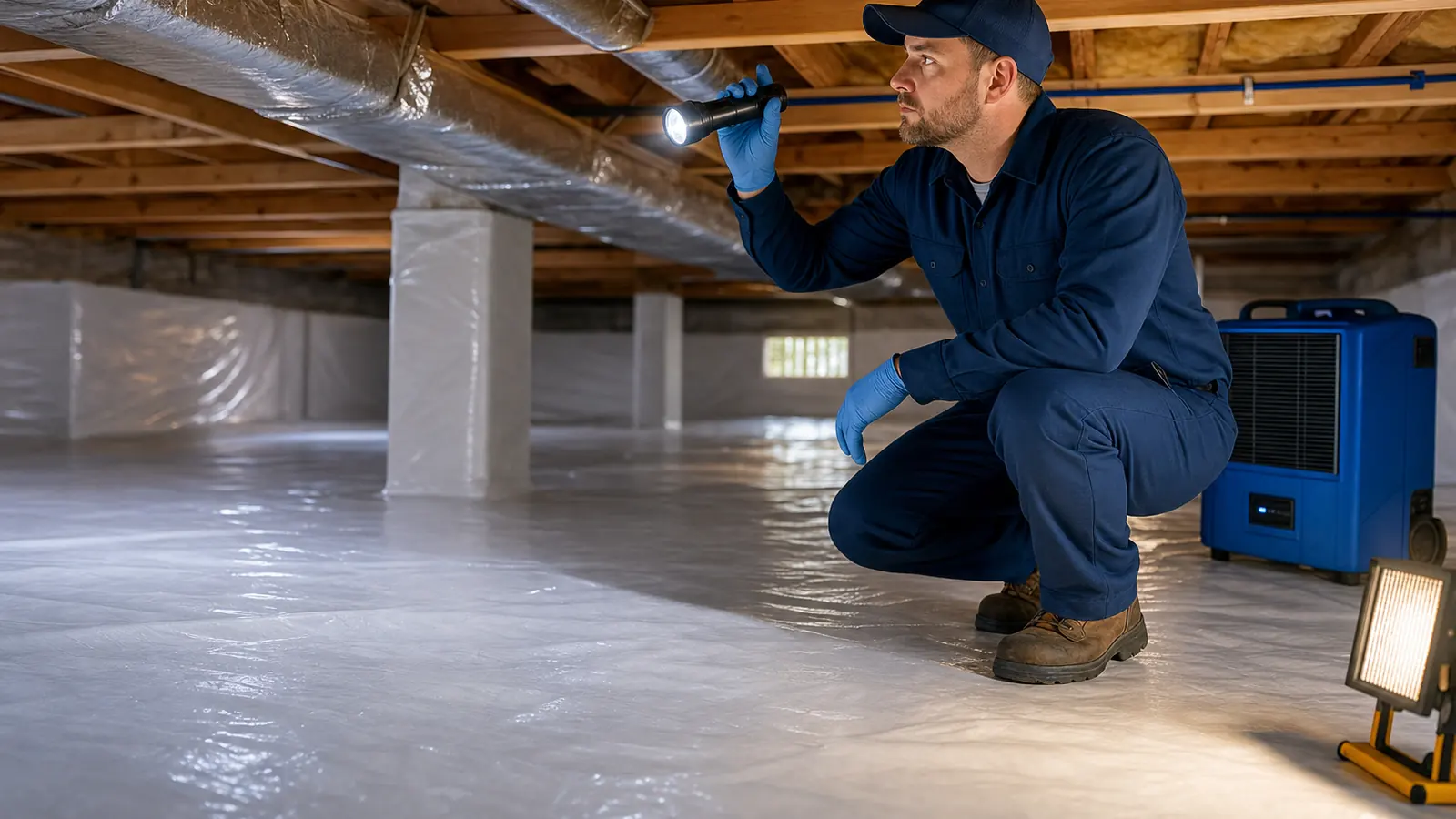
When should you call for professional crawl space pest control?
Call for professional crawl space pest control when pest signs repeat after DIY treatment, when droppings or gnaw marks appear, when moisture is present, when termite signs are possible, or when the crawl space is unsafe to inspect on your own.
A one-time insect sighting does not always mean the crawl space is the source. Repeated activity does. If ants keep returning to the same wall, if roaches show up near a bathroom, if scratching sounds come from below a floor, or if the home smells musty after rain, the crawl space belongs on the inspection route. The pattern matters more than the single sighting. Homeowners seeing similar pressure can also review vapor barrier installation before scheduling.
DIY work has a place. You can clear leaves from the crawl door, keep mulch off the foundation, redirect a downspout, store pet food in sealed containers, and avoid leaving cardboard or insulation scraps under the house. Those changes reduce pressure. But crawling under a home with animal droppings, standing water, damaged insulation, or possible termite evidence is different from setting a few store-bought traps. The health and safety risk is not worth proving a point.
Paladin Pest Solutions is based in Boiling Springs and serves homes across the Upstate, so this kind of inspection is local work rather than a national call-center script. The visit should start with what you have seen, where you have seen it, and what changed around the home recently. From there, the technician can inspect access points, moisture conditions, and pest evidence before recommending treatment, exclusion, or a moisture-focused next step. This connects closely with Boiling Springs pest control service when you are comparing next steps.
What this means for your home
- Repeating pest activity is a stronger clue than one insect sighting.
- DIY prevention helps, but unsafe crawl spaces should be inspected by a professional.
- The first visit should explain findings before recommending treatment or sealing work.
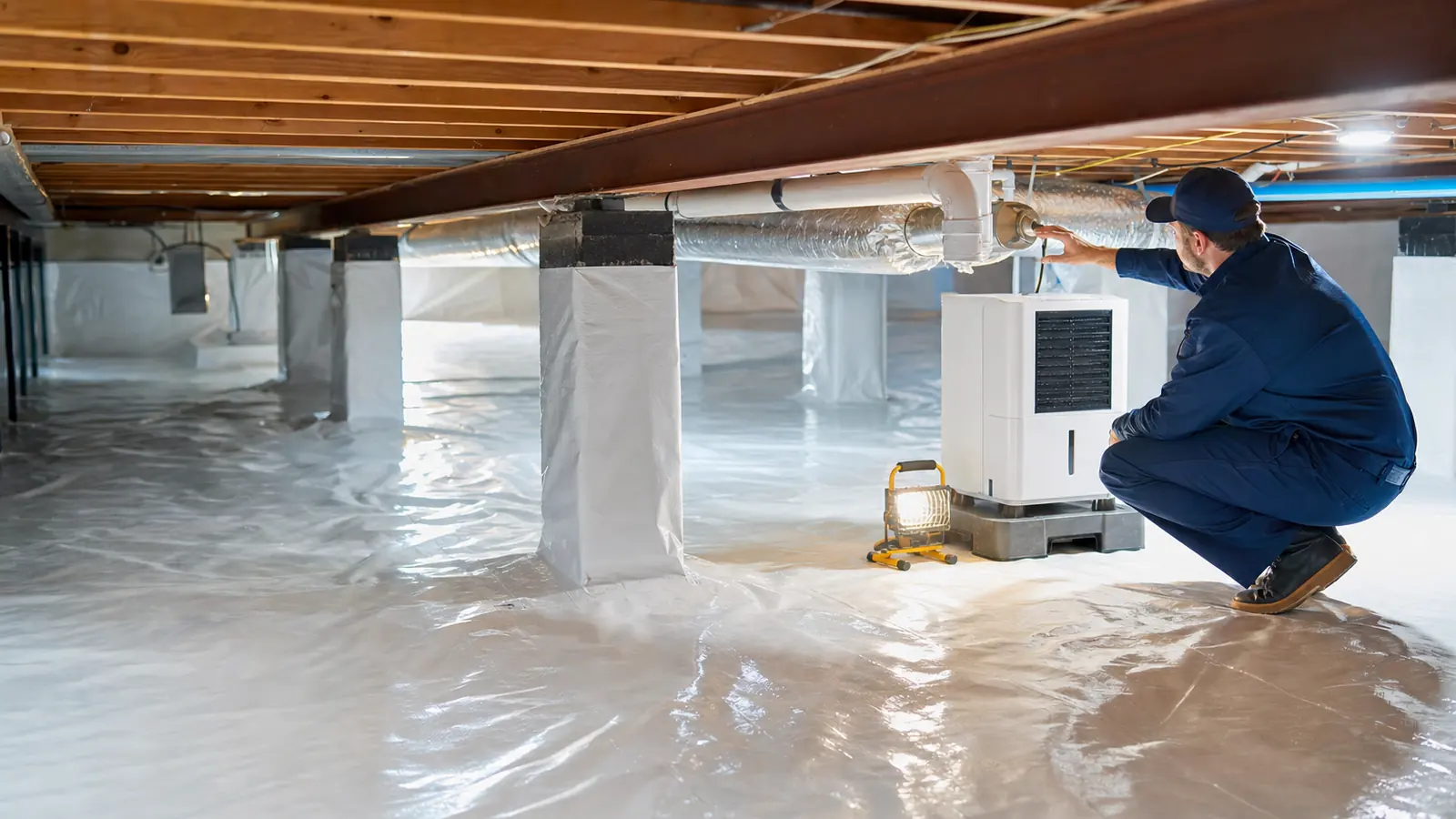
What happens during a crawl space pest visit?
A crawl space pest visit usually starts with an interview, exterior inspection, safe crawl-space access check, pest identification, moisture review, and a clear explanation of treatment or exclusion options. The best visits document what was found instead of jumping straight to a product.
Expect the technician to ask where the activity started, what time of day you notice it, whether it changes after rain, and whether anyone has treated the area already. That history keeps the inspection from becoming random. If ants appear after storms, the route may begin at the foundation and plumbing lines. If rodents are suspected, the route shifts toward openings, gnaw marks, rub marks, and insulation disturbance. If roaches are showing near a bathroom, moisture and plumbing penetrations move higher on the list. For a wider plan, pair this with Upstate SC service areas so the whole property is covered.
The inspection should also separate pest control from repair work. A technician can point out damaged vent screens, loose crawl doors, open pipe gaps, damp insulation, and soil contact. Some items may be handled as part of pest prevention or exclusion. Others may need a contractor, plumber, or drainage correction. That distinction protects you from paying for a pest treatment that cannot solve a construction or moisture source by itself.
After findings are reviewed, the service plan should be plain English: what pest was identified, where the pressure is coming from, what areas need treatment, which access points should be sealed, and what follow-up makes sense. If you want that done before the next rainy stretch, call (864) 816-7658 or use the contact form for Paladin pest service.
What this means for your home
- A good visit starts with the pattern you have noticed, not a preset spray route.
- Repair, moisture, exclusion, and pest treatment should be explained as separate decisions.
- Service notes should tell you what was found, what was treated, and what to watch for before the next visit.
Crawl space and moisture
Drop crawl-space humidity below 55% and keep it there
Most recurring pest pressure traces back to crawl-space conditions. We measure relative humidity, check the vapor barrier, inspect the dehumidifier and ducts, and look at drainage outside before we quote a scope.
Done well, that means a 12-mil reinforced barrier sealed to piers and walls, a sized professional dehumidifier with auto-drain, and a sealed access door.
Keep exploring Paladin
Related Paladin services and guides for Upstate homeowners.
Related Paladin services
crawl space pest inspection
Learn more about how Paladin handles this for Upstate families.
Read more →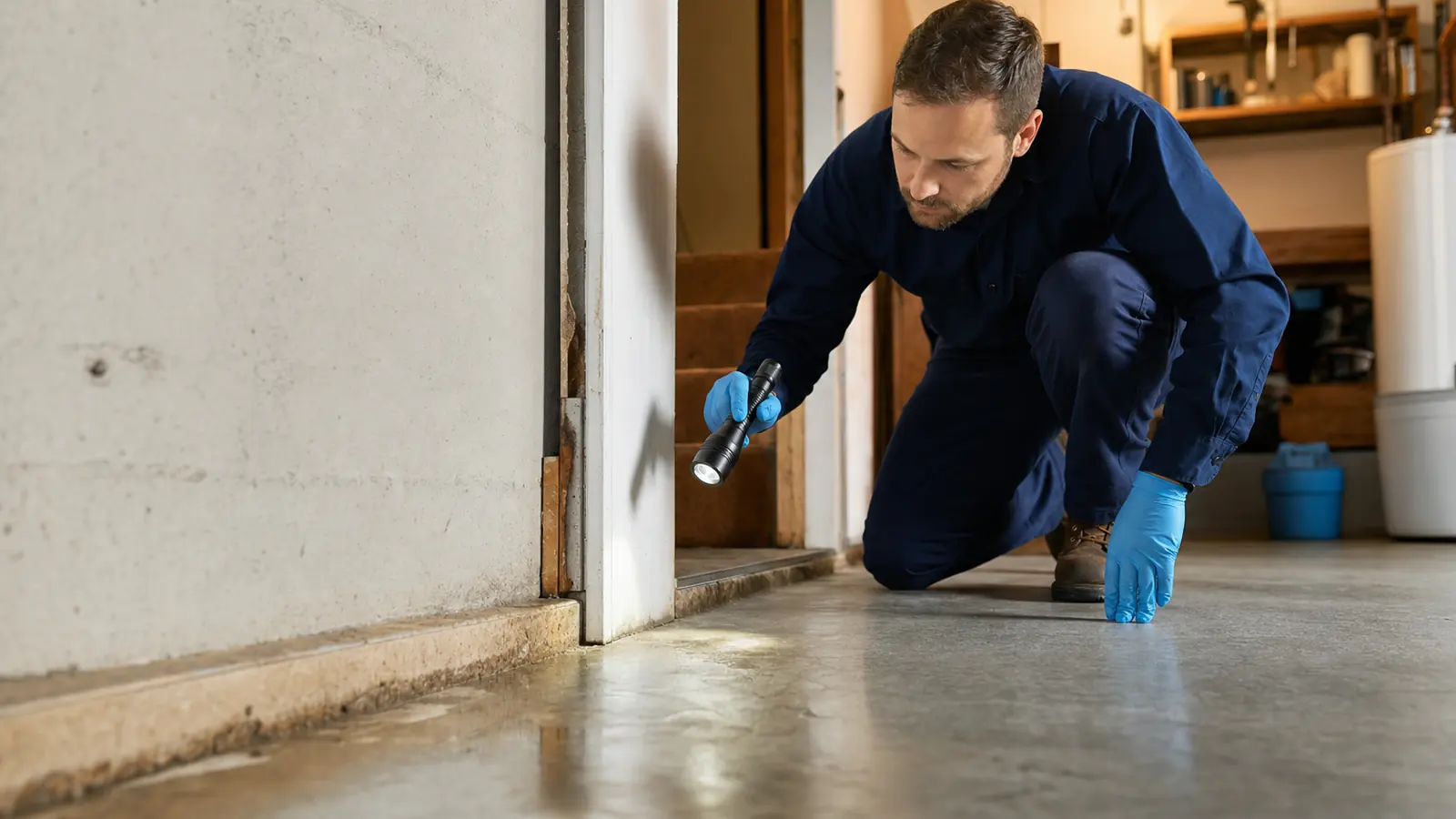
Boiling Springs pest control
Learn more about how Paladin handles this for Upstate families.
Read more →crawl space moisture control
Learn more about how Paladin handles this for Upstate families.
Read more →crawl space fungal treatment
Learn more about how Paladin handles this for Upstate families.
Read more →home pest inspection
Learn more about how Paladin handles this for Upstate families.
Read more →
ant control service
Learn more about how Paladin handles this for Upstate families.
Read more →Frequently asked questions
How often should a Boiling Springs crawl space be checked for pests?
A crawl space should be checked at least once a year, and sooner after heavy rain, repeated indoor pest sightings, or new moisture smells. Homes with past rodent, termite, or moisture issues may need seasonal checks so small access problems are found before they turn into repeat infestations.
Do crawl space pests always mean there is moisture damage?
No. Pests can enter through dry gaps, damaged vents, or open utility penetrations. Moisture simply raises the risk and makes the space more attractive to many insects and rodents. A proper inspection should identify both the pest evidence and the conditions that may be supporting it.
Is crawl space pest control safe for kids and pets?
It can be when the plan is based on inspection and product placement is kept in appropriate treatment zones. The technician should explain what is being used, where it is placed, and what access limits apply. Safety depends on following the label and avoiding unnecessary treatment in family-contact areas.
Will sealing crawl space gaps stop every pest problem?
Sealing helps, but it is not the whole plan. Existing insects or rodents may still need treatment or trapping, and moisture conditions may still need correction. Exclusion works best when it is paired with pest identification, cleanup of attractants, and follow-up checks to confirm pressure is dropping.
What signs point to rodents in a crawl space?
Common signs include droppings, scratching sounds, torn insulation, gnaw marks, rub stains, nesting material, and odors that seem stronger near floor openings or vents. If those signs appear, the plan should include entry-point inspection and exclusion instead of relying only on traps.
Ready to shield your family?
One call to Paladin and we’ll meet you where you are, from a quick walk-through to a long-term protection plan.