Upstate South Carolina · Practical, low-disruption pest work
Crawl Space Moisture Control in Boiling Springs, SC: Choosing an Evaluation Scope
Crawl Space Moisture Control in Boiling Springs, SC should start with a documented evaluation. That record should cover water sources, humidity clues, drainage patterns, vapor barrier condition, wood surfaces, insulation state,…
- Treatments built around how your family actually uses the home
- Local dispatch from Spartanburg across the Upstate
- If a visit isn't needed, we'll say so on the phone
Quick Answer
Crawl Space Moisture Control in Boiling Springs, SC should start with a documented evaluation. That record should cover water sources, humidity clues, drainage patterns, vapor barrier condition, wood surfaces, insulation state, and access points. This worksheet approach helps homeowners compare scopes and ask sharper questions before any work begins.
For the next step, compare moisture remediation, read about crawl space moisture control, or check where Paladin works across Upstate SC.
Key Takeaways
- Document water sources before any moisture work is scoped.
- Humidity clues like condensation help define the problem.
- Drainage patterns around the foundation matter for scope.
- Vapor barrier condition should be recorded, not assumed.
- Wood surfaces need a visual moisture check first.
- Insulation state affects how a plan is built.
- Access points shape what work is even possible.
What should a crawl-space moisture evaluation document before work is scoped?
A useful evaluation documents water sources, humidity signs, drainage patterns, vapor barrier condition, wood surfaces, insulation state, and access limits. Recording each item separately helps a homeowner compare quotes fairly. This worksheet style keeps the focus on evidence rather than guesswork or rushed assumptions about the space.
A crawl space evaluation works best when it follows a written structure. Random observations are hard to compare later. A simple worksheet keeps the process consistent from one visit to the next. This connects closely with moisture remediation when you are comparing next steps.
Start with anything that looks like a water source. This could be a downspout aimed at the foundation or a low grade near a vent. Noting the location and pattern matters more than guessing the cause.
Humidity clues often show up as condensation on pipes or a musty smell. These signs do not confirm a specific problem on their own. They simply tell you where closer attention is needed. For a wider plan, pair this with Upstate SC service areas so the whole property is covered.
Wood surfaces, insulation, and access points round out the picture. Each item on the worksheet should have a short note, not a full diagnosis. That keeps the evaluation useful and honest.
What this means for your home
- Boiling Springs service is adjusted to the home style, season, and pressure pattern instead of using the same checklist everywhere.
- Practical takeaway: A useful evaluation documents water sources, humidity signs, drainage patterns, vapor barrier condition, wood surfaces, insulation state, and access limits.
- Documentation should summarize findings, treated areas, product locations where applicable, and the recommended follow-up plan.

How do water sources get identified during a crawl space visit?
Water sources are usually identified by tracing visible paths, such as stains, pooling, or damp soil near the foundation. A homeowner can note downspout direction, grading slope, and plumbing lines. This record gives an inspector a starting point rather than a full explanation of the moisture pattern.
Visible water paths often leave clues on foundation walls or piers. Staining, discoloration, or a line of dried mud can mark where water traveled. Photographing these areas from a few angles helps later comparison. Homeowners seeing similar pressure can also review crawl space moisture control before scheduling.
Downspouts and gutters deserve a close look from outside the crawl space. If a downspout empties near the foundation, that spot is worth flagging. The same goes for any hose bib or irrigation line nearby.
Grading around the home can direct water toward or away from the foundation. A slope that dips toward the house is worth noting on the worksheet. This detail helps explain patterns seen inside the crawl space. This connects closely with requesting service from Paladin when you are comparing next steps.
Plumbing lines inside the crawl space should be checked for drips or damp insulation nearby. This is an observation step, not a repair step. Any suspected leak should be pointed out to a professional for review.
What this means for your home
- Identification comes first because the right crawl-space pest prevention plan depends on species, activity level, and where the pressure is living.
- Practical takeaway: Water sources are usually identified by tracing visible paths, such as stains, pooling, or damp soil near the foundation.
What should a homeowner bring to a crawl space evaluation meeting?
Bring a written worksheet noting water sources, humidity clues, drainage patterns, vapor barrier condition, wood observations, insulation state, and access details. Photos help too. This preparation gives a professional a clear starting point and supports a more focused conversation about scope.
Prefer to skip the guessing?
We'll identify the pest, point out conditions, and quote what's actually needed.
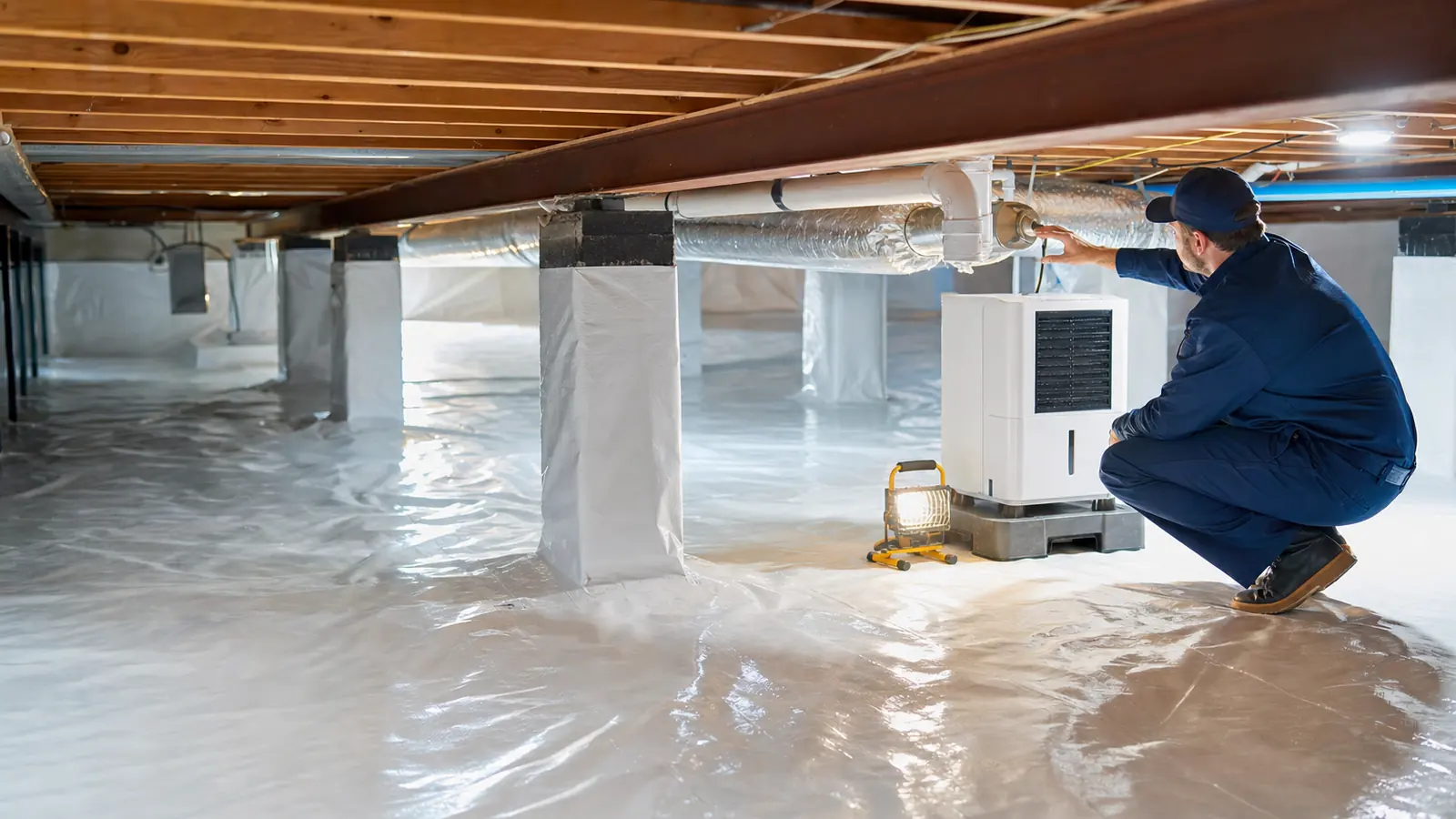
Which humidity clues are worth writing down before an inspection?
Worthwhile humidity clues include condensation on pipes or ductwork, a musty odor, and visible dampness on framing. These signs point toward areas that need closer review. Writing them down with location details gives an inspector a clearer starting map of the space.
Condensation on cold surfaces like metal ductwork often signals higher humidity nearby. Noting where this appears, and how often, adds useful context. A single damp morning is different from a recurring pattern. For a wider plan, pair this with vapor barrier installation so the whole property is covered.
A musty smell is a common but nonspecific clue. It can come from many sources, so it should be paired with other notes. Recording when the smell is strongest can help narrow down the search.
Visible dampness on wood framing or subfloor material is another marker worth listing. This does not mean rot has started. It simply flags a spot that deserves a closer, more careful look. Homeowners seeing similar pressure can also review moisture remediation before scheduling.
Keeping a simple log of these clues over a few visits, if possible, adds value. Patterns over time tell a more complete story than a single observation. This approach supports a more accurate scope discussion.
What this means for your home
- Practical takeaway: Worthwhile humidity clues include condensation on pipes or ductwork, a musty odor, and visible dampness on framing.
- Documentation should summarize findings, treated areas, product locations where applicable, and the recommended follow-up plan.

Why does drainage pattern documentation change the service scope?
Drainage patterns show whether water is entering from grading, gutters, or groundwater, which shapes what work is needed. A scope built without this detail may miss the actual source. Recording drainage observations helps align the proposed work with what the property actually shows.
Drainage around a home can shift with seasons and rainfall. A dry spring visit might miss a pattern that shows up after a heavy summer storm. Noting the date and recent weather adds helpful context. This connects closely with Upstate SC service areas when you are comparing next steps.
Standing water near the foundation, even briefly after rain, is worth recording. This detail can point toward grading or gutter issues rather than a problem inside the crawl space itself. The distinction matters for scope.
Some properties show drainage issues only in certain areas, such as a corner where two roof lines meet. Marking these specific spots on a simple sketch keeps the observation clear and easy to share. For a wider plan, pair this with crawl space moisture control so the whole property is covered.
When drainage notes are shared with an inspector ahead of time, the visit can focus more efficiently. This does not replace a full inspection. It simply makes the conversation more productive from the start.
What this means for your home
- Documentation should summarize findings, treated areas, product locations where applicable, and the recommended follow-up plan.
- Practical takeaway: Drainage patterns show whether water is entering from grading, gutters, or groundwater, which shapes what work is needed.
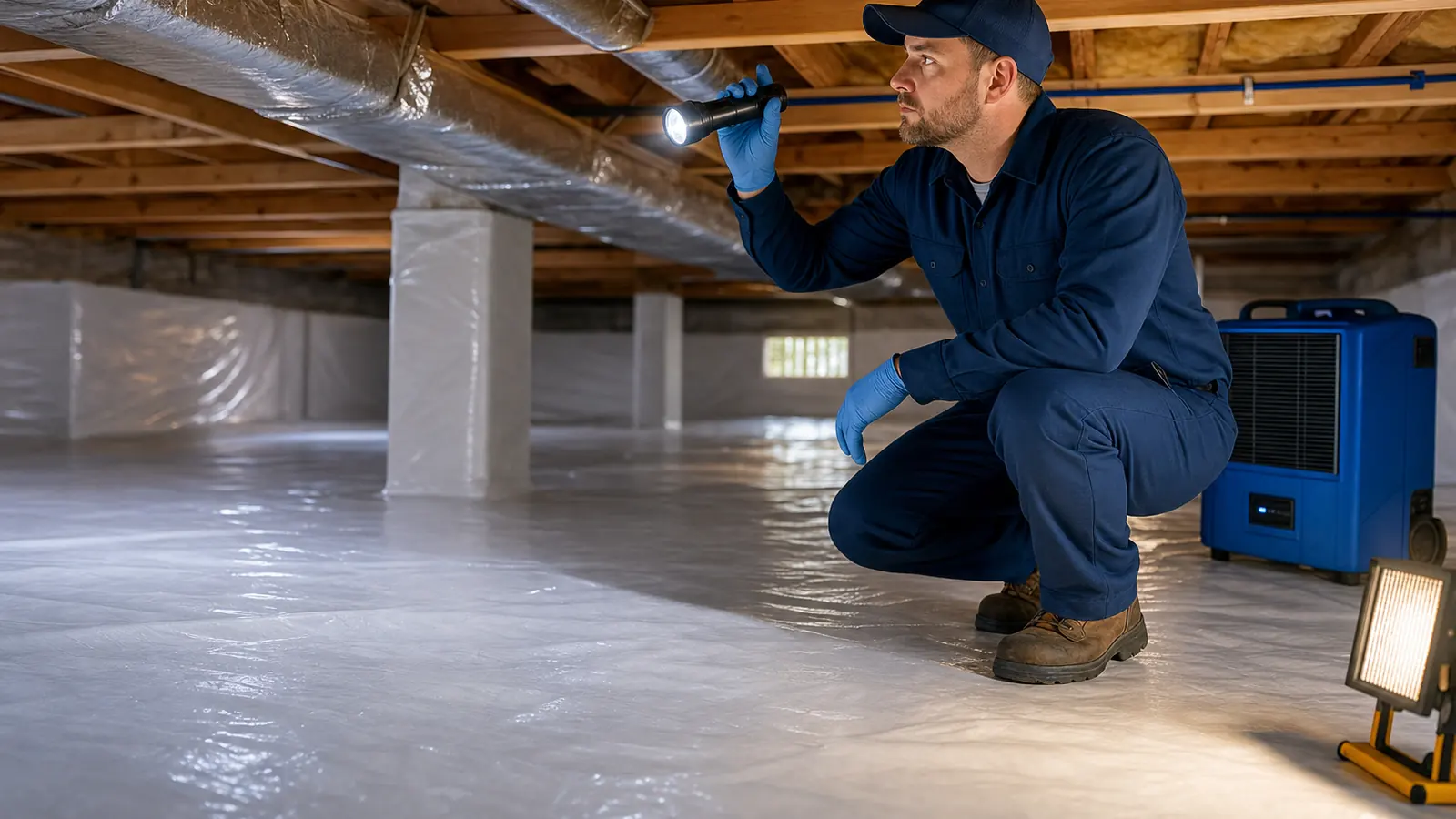
Should vapor barrier condition be checked before requesting a quote?
Yes, noting whether a vapor barrier is present, torn, or missing helps set realistic expectations for a quote. This observation does not require removal or repair attempts. A simple visual check and photo record are enough to share with a professional later.
A vapor barrier that looks intact from one angle may have tears elsewhere. Walking the visible perimeter, without disturbing the material, gives a general sense of its condition. Photos help capture details for later reference. Homeowners seeing similar pressure can also review requesting service from Paladin before scheduling.
Gaps at seams or edges are common trouble spots. Noting where the barrier does not overlap properly can help an inspector understand the scope of replacement, if that becomes part of the plan.
If no vapor barrier is present at all, that is a simple but important note. It changes the starting point for any moisture control discussion significantly compared to a space with partial coverage. This connects closely with vapor barrier installation when you are comparing next steps.
This step is about observation, not correction. Attempting to patch or move a vapor barrier without guidance is better left to a scoped work plan discussed with a professional.
What this means for your home
- Condition correction lowers repeat pressure by addressing moisture, food sources, harborage, and easy entry points.
- crawl space liner check
- Practical takeaway: Yes, noting whether a vapor barrier is present, torn, or missing helps set realistic expectations for a quote.
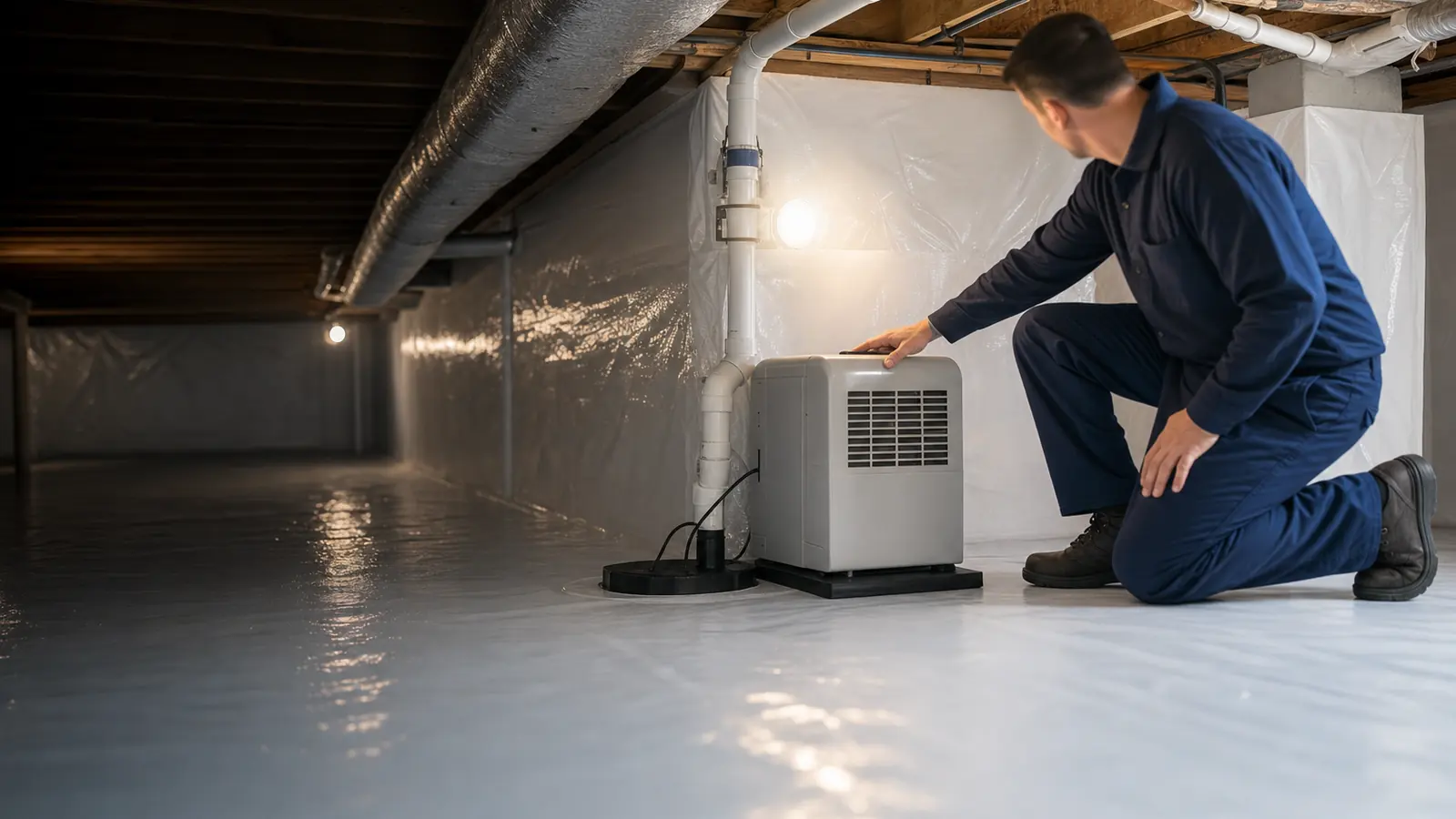
How can wood and insulation observations support a moisture control plan?
Wood surfaces and insulation should be noted for visible dampness, discoloration, or sagging without disturbing the material. These observations help describe the current condition to a professional. They also give a baseline for comparing changes if a plan is scoped and later revisited.
Floor joists and subfloor sections are easiest to observe from below with a flashlight. Noting discoloration, softness felt through light touch, or sagging sections gives a useful starting description for later discussion. For a wider plan, pair this with moisture remediation so the whole property is covered.
Insulation batts that look compressed, sagging, or discolored may point toward past or ongoing moisture exposure. This is worth photographing and noting by location rather than removing for a closer look.
Comparing conditions across different sections of the crawl space can reveal whether a problem is isolated or widespread. A single damp corner is a different scope conversation than moisture spread across the entire space. Homeowners seeing similar pressure can also review requesting service from Paladin before scheduling.
These notes are meant to inform a conversation with a professional, rather than replace an inspection. Avoiding any attempt to repair or replace materials during this observation step keeps the evaluation safe and useful.
What this means for your home
- Practical takeaway: Wood surfaces and insulation should be noted for visible dampness, discoloration, or sagging without disturbing the material.
- Condition correction lowers repeat pressure by addressing moisture, food sources, harborage, and easy entry points.
- Documentation should summarize findings, treated areas, product locations where applicable, and the recommended follow-up plan.
Does crawl space access affect what an evaluation can cover?
Yes, limited access can restrict how much of the crawl space gets reviewed during an evaluation. Noting access points, clearance height, and any obstructions helps set expectations for scope. This detail also helps a professional plan equipment and time needed for a thorough look.
Some crawl spaces have a single small access door, while others offer multiple entry points. Recording the number and location of these openings gives a clear picture of how the space can be reached. This connects closely with crawl space moisture control when you are comparing next steps.
Clearance height varies widely between homes and even between sections of the same crawl space. Noting areas where crawling is difficult helps explain why some sections may need extra attention during a visit.
Obstructions like stored items, ductwork, or plumbing runs can block a clear path. Listing these on the worksheet helps a professional plan the visit more efficiently and avoid surprises once on site. For a wider plan, pair this with moisture remediation so the whole property is covered.
Access notes are more than administrative details. They directly shape which areas can be evaluated closely and which may require a follow up visit or additional equipment to review properly.
What this means for your home
- Practical takeaway: Yes, limited access can restrict how much of the crawl space gets reviewed during an evaluation.
- Service notes should tell you what was found, what was treated, and what to watch for before the next visit.
Which findings can change the crawl space moisture control service scope?
Findings such as an active water source, missing vapor barrier, widespread wood dampness, or restricted access can all shift the service scope. Each finding should be weighed together rather than in isolation. A documented worksheet helps a homeowner see how these findings connect to a proposed plan.
A single finding rarely tells the whole story. An active water source combined with a torn vapor barrier suggests a different scope than either issue alone. Reviewing findings together gives a fuller picture. Homeowners seeing similar pressure can also review vapor barrier installation before scheduling.
Widespread wood dampness across multiple sections often points toward a broader moisture pattern rather than a localized issue. This can shift a plan from a targeted repair to a more comprehensive approach.
Restricted access can limit how much of a problem is visible during an initial visit. This may mean a scope is proposed with some flexibility built in, pending further review once access improves. This connects closely with crawl space moisture control when you are comparing next steps.
Sharing the completed worksheet with a professional before requesting a scope helps align expectations. It also gives the homeowner a reference point for comparing how the final plan matches the documented findings.
What this means for your home
- Practical takeaway: Findings such as an active water source, missing vapor barrier, widespread wood dampness, or restricted access can all shift the service scope.
Crawl space and moisture
Drop crawl-space humidity below 55% and keep it there
Most recurring pest pressure traces back to crawl-space conditions. We measure relative humidity, check the vapor barrier, inspect the dehumidifier and ducts, and look at drainage outside before we quote a scope.
Done well, that means a 12-mil reinforced barrier sealed to piers and walls, a sized professional dehumidifier with auto-drain, and a sealed access door.
Why this post exists on the Paladin blog
This post was written by someone who actually does this work on Upstate homes, not by a contractor or a marketing team that has never seen the species in person. The Paladin blog exists to answer the questions we hear on real service calls, honestly, in plain English, without selling you a service you do not need. If a post helps you solve the problem on your own, that is a successful post for us. If you read it and decide you would rather have a trained technician on site, that is what the phone is for. Either path is fine.
A first Paladin visit is intended to document the activity, inspect relevant areas, and explain the proposed scope before work begins. Appointment timing and the exact inspection areas depend on the request and property access. Call (864) 816-7658 or use the contact form so the office can confirm the current options.
Paladin is based in Boiling Springs, SC and serves the approved Upstate locations listed on this site. Each recommendation should be tied to conditions documented at the property, including pest evidence, moisture, entry points, food, water, shelter, and access. The office confirms address availability without promising a route frequency or response window.
Keep exploring Paladin
Related Paladin services and guides for Upstate homeowners.
Frequently asked questions
What is the first step in evaluating crawl space moisture in Boiling Springs, SC?
The first step is documenting visible water sources and humidity clues, such as staining, condensation, or a musty smell near framing and piers. This creates a simple written record that helps a professional understand the space before any specific service scope gets proposed or discussed.
How does drainage around a home relate to crawl space moisture control?
Drainage patterns, including grading slope and downspout placement, can direct water toward or away from a foundation over time. Recording these patterns during an evaluation helps clarify whether moisture found inside the crawl space traces back to an outside drainage source nearby.
Can a homeowner check the vapor barrier without professional help?
A homeowner can visually check whether a vapor barrier is present, torn, or missing without removing or repairing any material themselves. This simple observation step is useful for documentation purposes, while any actual barrier work is better handled through a scoped professional plan.
Why does crawl space access matter for an evaluation?
Limited access, low clearance, or stored items blocking a path can restrict how much of the space gets reviewed during a single visit. Noting these access details ahead of time helps set realistic expectations for what an initial evaluation can reasonably cover.
Should wood and insulation be inspected before requesting a scope?
Yes, a visual check of wood surfaces and insulation for dampness, discoloration, or sagging gives useful baseline information for later comparison. This observation should not involve removing or disturbing materials, since that kind of work is better left to a professional evaluation visit.
How can a documented worksheet help when comparing service scopes?
A worksheet with consistent, dated observations lets a homeowner compare how different professionals interpret the same findings around the property. This approach makes it easier to ask specific questions and understand why a proposed scope focuses on certain areas over others.
Ready to shield your family?
One call to Paladin and we’ll meet you where you are, from a quick walk-through to a long-term protection plan.