Upstate South Carolina · Careful, targeted pest control
Crawl Space Humidity in Greenville, SC: Pest Signs
Crawl space humidity in Greenville, SC turns into a pest problem when damp wood, humid soil, and standing water make the space comfortable for termites, cockroaches, camel crickets, ants, and spiders. The pest signs to watch for…
- Careful, targeted treatments built around your household
- Local Upstate route, real callbacks from our Spartanburg office
- Honest scoping, never a sales script
Quick Answer
Crawl space humidity in Greenville, SC turns into a pest problem when damp wood, humid soil, and standing water make the space comfortable for termites, cockroaches, camel crickets, ants, and spiders. The pest signs to watch for are condensation on the vapor barrier, a musty smell drifting up through the floors, droppings, mud tubes, and insects clustering near pipe penetrations. Lasting relief usually pairs pest identification with moisture correction so the conditions that invited the activity are addressed, beyond the bugs you can see.
For the next step, compare moisture remediation, read about crawl space moisture control, or check where Paladin works across Upstate SC.
Key Takeaways
- Humidity is the trigger, not the pest. A damp crawl space softens wood, keeps soil moist, and creates the steady moisture many Upstate pests need to settle in below your floors.
- Greenville's wet springs, clay soil, and shaded foundations let crawl spaces hold dampness long after the yard dries out, which is why moisture-loving insects show up here so reliably.
- Condensation on the vapor barrier, a musty after-rain smell, buckled flooring, and insects near pipe gaps are early signs the crawl space humidity is feeding pest pressure.
- Termites, cockroaches, camel crickets, ants, and spiders each read a damp crawl space as an invitation, and each one calls for a different identification and treatment decision.
- The most durable fix combines moisture remediation Greenville SC homeowners can rely on with targeted pest work, because drying the space removes the reason pests keep returning.
Why does crawl space humidity become a pest problem in Greenville?
Crawl space humidity becomes a pest problem in Greenville because moisture is the one condition that makes almost every other pest problem easier. Damp soil, condensation, and softened wood give termites, roaches, camel crickets, and ants the humidity and shelter they need, so the space under the floor turns into a comfortable staging area before anyone notices activity upstairs.
Greenville sits in a part of the Upstate that stays humid for long stretches of the year. Wet springs, summer thunderstorms, red clay that holds water, and foundations shaded by mature trees all work together to keep the underside of a home damp. A crawl space does not get the airflow or sunlight that dries out a yard, so moisture lingers. That lingering dampness is the difference between a crawl space that pests ignore and one they treat as ideal habitat. This connects closely with crawl space moisture control when you are comparing next steps.
Most homeowners think of pest pressure as something that starts at the kitchen counter or the bathroom baseboard. In reality, a lot of it starts below the floor. Air, odors, and insects move upward through gaps around plumbing, wiring, and subfloor penetrations. When the crawl space holds humidity, it becomes a humid reservoir that feeds the rest of the house. That is why a surface spray inside the home so often fails to hold: the conditions feeding the problem are still sitting under the floor joists. Pairing pest work with crawl space moisture control addresses the cause instead of chasing the symptom.
Moisture also changes the materials in the crawl space itself. Damp wood softens and can support fungal growth. Humid air rusts metal vent screens and loosens insulation, which then sags and creates hidden pockets. Soil stays cool and moist, which is exactly what many insects need to survive a dry spell. None of these conditions guarantee an infestation, but together they explain why a humid Greenville crawl space is so much more likely to develop one than a dry, well-ventilated space across town. For a wider plan, pair this with vapor barrier installation so the whole property is covered.
What this means for your home
- Greenville service is adjusted to the home style, season, and pressure pattern instead of using the same checklist everywhere.
- Pests, odors, and humid air move upward through plumbing and subfloor gaps, so below-floor moisture affects the whole home.
- Condition correction lowers repeat pressure by addressing moisture, food sources, harborage, and easy entry points.

What are the early pest signs of a humid crawl space?
The early pest signs are condensation or water beads on the vapor barrier, a musty smell that gets stronger after rain, buckled or cupped flooring above the crawl space, droppings or shed insect parts, mud tubes climbing the foundation, and insects clustering near pipe and vent openings. These clues tend to show up before you ever see a pest indoors.
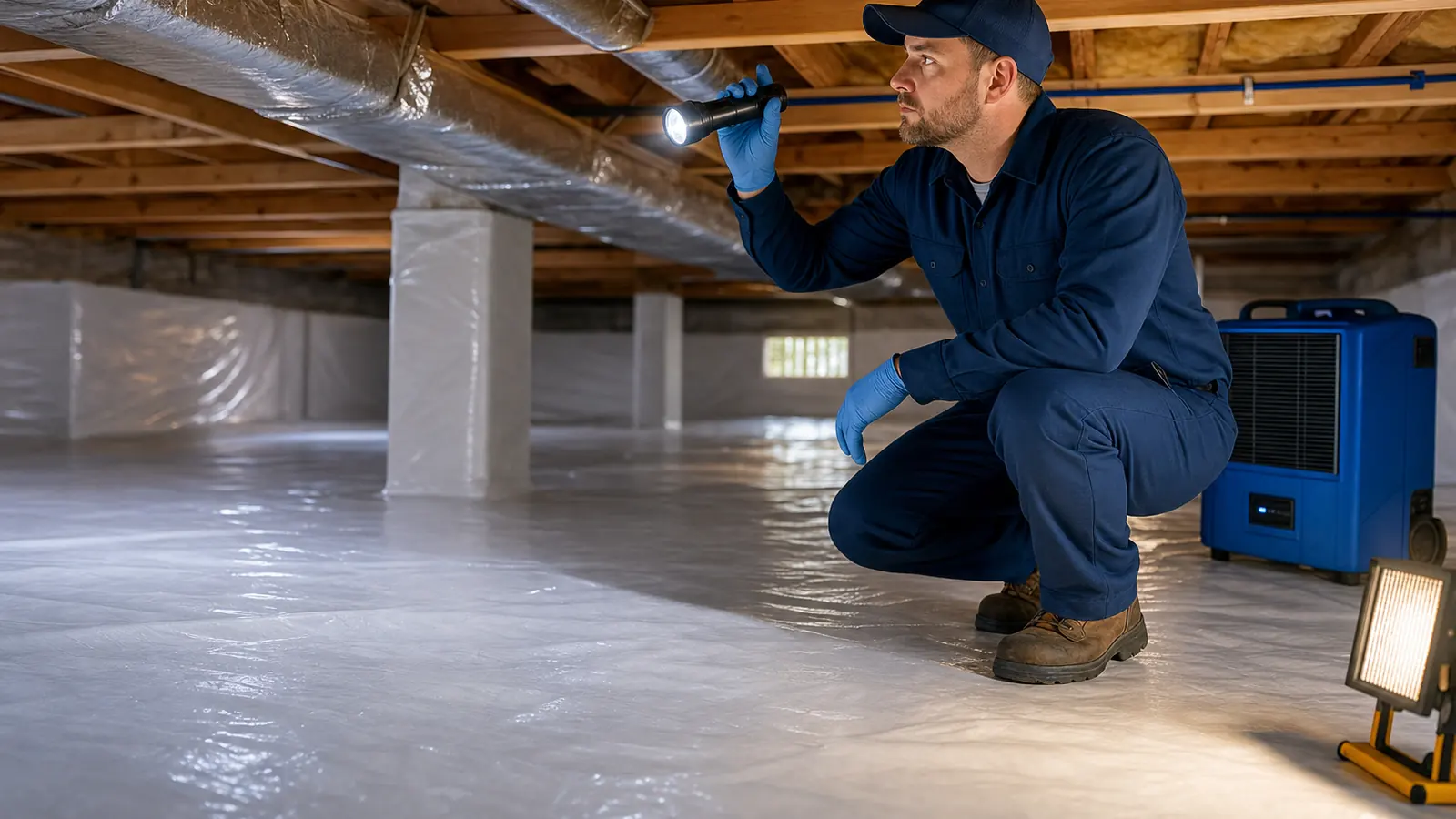
The most useful pest signs in a humid crawl space are not the pests themselves but the conditions and traces they leave behind. Start at the crawl door with a flashlight rather than climbing into an unsafe space. Look for shine and beaded water on the vapor barrier, dark damp patches on the soil, sagging or stained insulation, and daylight around pipe penetrations and torn vent screens. A musty, earthy smell that intensifies after a rainy stretch is one of the clearest signals that the space is holding too much moisture. Homeowners seeing similar pressure can also review request pest service before scheduling.
Inside the home, the symptoms are quieter but worth connecting to the crawl space below. Floors that feel spongy, hardwood that cups or buckles, baseboards that stay slightly damp, and a faint mildew odor near floor registers all point downward. So does a pattern of insects appearing in the same first-floor rooms after wet weather. When the activity tracks the weather, the crawl space deserves a place on the inspection route, which is why a thorough crawl space pest inspection looks at moisture and pests together.
Here is a Top 7 list of crawl space humidity pest signs Greenville homeowners can check from the crawl door without entering an unsafe area: This connects closely with vapor barrier installation when you are comparing next steps.
- Condensation on the vapor barrier. Beaded water or a constant sheen means humidity is collecting under the home.
- Musty after-rain odor. A smell that strengthens after storms signals trapped moisture and possible fungal growth.
- Mud tubes on the foundation. Pencil-width soil tubes climbing piers or walls are a classic subterranean termite sign.
- Camel cricket clusters. Humpbacked, long-legged crickets gathering near the crawl door or damp corners favor high humidity.
- Roach activity near pipes. Droppings, egg cases, or live roaches around plumbing penetrations point to a damp harborage.
- Sagging or stained insulation. Wet, drooping insulation holds moisture and gives pests cover and nesting material.
- Cupped or spongy flooring. Floors that buckle or feel soft above the crawl space often track back to chronic dampness below.
None of these signs proves a specific infestation on its own, and that honesty matters. A single damp patch is not a termite colony, and one cricket near the door is not a swarm. What the signs do is tell you the crawl space is holding enough moisture to be attractive, which is the moment to inspect carefully rather than wait for the problem to move upstairs. For a wider plan, pair this with moisture remediation so the whole property is covered.
What this means for your home
- Check the vapor barrier, soil, insulation, and vents from the crawl door before entering an unsafe space.
- Condition correction lowers repeat pressure by addressing moisture, food sources, harborage, and easy entry points.
- Treat the signs as a reason to inspect, not as proof of a specific infestation.
Can I fix crawl space humidity myself?
You can handle several useful steps yourself: clean the gutters, extend downspouts away from the foundation, redirect surface water, clear debris from the crawl door, and keep stored items off the soil. Those changes reduce moisture pressure. Sealing the soil with a full vapor barrier, correcting grading, or sizing a crawl space dehumidifier is more involved, and any standing water, damaged insulation, or possible termite evidence is a reason to bring in a professional rather than crawl into an unsafe space.
Talk to the Paladin office.
Ask about the next available appointment and what the inspection includes.
Which pests does crawl space moisture attract in the Upstate?
Crawl space moisture in the Upstate most often attracts subterranean termites, cockroaches, camel crickets, ants, and spiders. Termites are tied directly to wood, soil, and moisture; roaches and camel crickets seek humidity and shelter; ants follow water and trails; and spiders follow the insect prey that the damp space supports.
Subterranean termites are the pest most closely linked to crawl space moisture. They need contact with soil moisture to survive and build mud tubes to travel between the ground and the wood they feed on. A humid crawl space with wood-to-soil contact or damp framing gives them everything they need. The Clemson Cooperative Extension guidance on subterranean termite control describes how moisture and wood-to-ground contact raise termite risk, which is exactly why a damp Greenville crawl space deserves attention before damage accumulates. Termite evidence calls for careful identification rather than guesswork, because old damage and active activity are different findings.
Camel crickets are the pest many Greenville homeowners notice first because they are large, humpbacked, and prone to gathering in damp corners. According to Clemson Cooperative Extension guidance on camel crickets, these insects favor cool, moist, dark places such as crawl spaces and basements, and reducing humidity is a key part of keeping their numbers down. Where camel crickets cluster, you are usually looking at a moisture problem first and a pest problem second. Cockroaches, especially the larger outdoor species, read the same damp insulation, plumbing penetrations, and stored debris as ideal cover.
Ants and spiders round out the usual cast. Ants follow moisture and food trails along foundation edges and utility lines, then surface around kitchens and bathrooms on the floor above. Spiders rarely care about the dampness itself; they follow the other insects that the humid space supports, so a spider increase is often a sign that the crawl space is feeding a broader food web. Because each of these pests uses the space differently, lumping them under one generic crawl-space treatment is how poor recommendations get made. Identification first, then a plan that matches the pest, is the honest approach. Homeowners seeing similar pressure can also review vapor barrier installation before scheduling.
What this means for your home
- Condition correction lowers repeat pressure by addressing moisture, food sources, harborage, and easy entry points.
- Camel crickets and roaches seek humidity, dark shelter, and damp insulation for cover.
- Ants follow moisture trails and spiders follow prey, so both increase when the space stays damp.
How does moisture remediation reduce crawl space pest pressure?
Moisture remediation reduces crawl space pest pressure by removing the dampness that pests rely on. Correcting drainage, sealing the soil with a vapor barrier, repairing leaks, and adding controlled ventilation or dehumidification lowers the humidity, dries the wood, and makes the space far less comfortable for termites, roaches, and camel crickets.
Moisture remediation is a process, not a single product. It starts by finding where the water comes from. Sometimes the source is outside: gutters that dump against the foundation, grading that slopes toward the house, or downspouts that release water near a vent. Sometimes it is inside: a slow plumbing leak, a failed condensate line, or groundwater wicking up through bare soil. The first job is to stop adding water, because no amount of pest treatment will hold if the crawl space keeps getting wet. This is the foundation of moisture remediation done correctly.
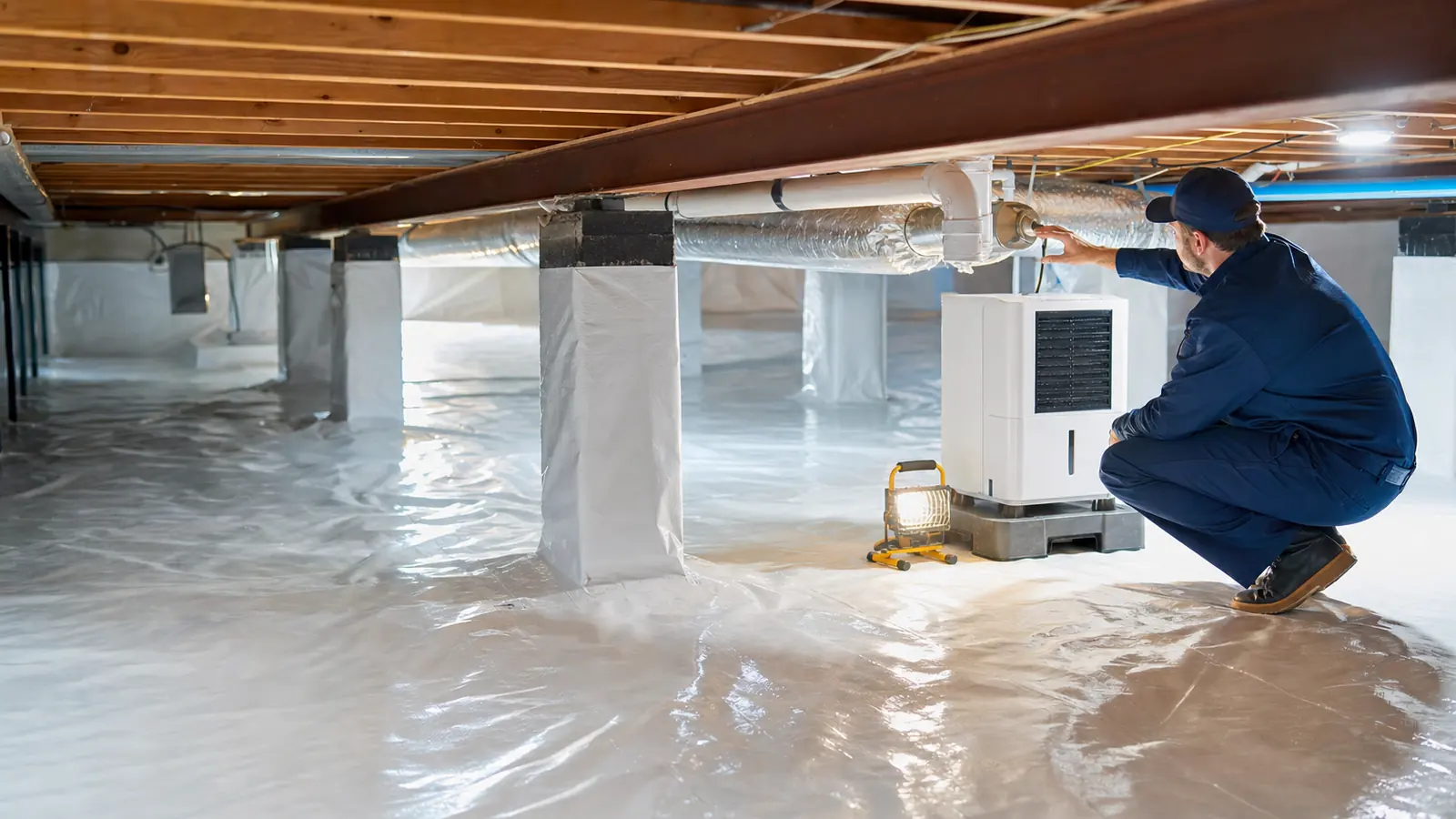
Once the water source is addressed, the basics of drying the space come into play. A properly installed and sealed vapor barrier over the soil blocks ground moisture from evaporating into the air. Correcting grading and extending downspouts moves rainwater away from the foundation. Depending on the home, controlled ventilation or a crawl space dehumidifier keeps the relative humidity in a range where wood stays dry and insects lose interest. These steps are not glamorous, but they change the environment in a way that no spray can match. Reliable moisture remediation Greenville SC homeowners invest in is what makes the rest of the pest plan stick.
The honest limitation is worth stating plainly: moisture remediation is not a guarantee that pests will never appear, and it does not replace pest identification or structural repair where those are needed. If termites are already active, they still require treatment. If joists show damage, a qualified repair professional should evaluate them. What moisture remediation does is remove the conditions that keep inviting pests back, so the pest work has a chance to last instead of becoming a recurring service call. For a wider plan, pair this with moisture remediation so the whole property is covered.
What this means for your home
- Find and stop the water source first, whether it is drainage, grading, or a plumbing leak.
- Seal the soil with a vapor barrier and use ventilation or dehumidification to keep humidity low.
- Condition correction lowers repeat pressure by addressing moisture, food sources, harborage, and easy entry points.

When should pest control and moisture remediation work together?
Pest control and moisture remediation should work together whenever pest activity tracks the weather, when you find both insects and dampness in the crawl space, or when pest treatment keeps failing after a few weeks. Treating the pests without drying the space leaves the cause in place, while drying the space without treating an active infestation leaves the pests in place.
The clearest sign that the two services belong together is a repeating pattern tied to moisture. If ants return to the same wall after every rainy stretch, if camel crickets keep gathering near the crawl door, or if roaches reappear near a bathroom within weeks of a treatment, the crawl space conditions are almost certainly part of the story. A single insect sighting does not require both services. A pattern that follows the weather usually does. Homeowners seeing similar pressure can also review vapor barrier installation before scheduling.
Sequencing matters when both are needed. In most cases, identification comes first so the technician knows what pest is present and how serious it is. Active termite activity, for example, is handled on its own track and should not wait. From there, the moisture source is corrected and the space is dried, and pest treatment is placed where the actual pressure is rather than blanketed everywhere. Doing the steps in the right order keeps you from paying for a treatment that a wet crawl space would have undone, or for a dehumidifier that ignores an infestation already underway.
Paladin Pest Solutions is based in Boiling Springs and serves homes across the Upstate, including Greenville, so this kind of combined inspection is local work rather than a national call-center script. A good visit starts with what you have noticed, where you have noticed it, and what has changed around the home recently. From there, the technician can separate pest treatment, moisture correction, and any needed repair into clear, honest recommendations. If you want that done before the next wet stretch, you can schedule a pest and moisture inspection and describe exactly where you are seeing the signs.
What this means for your home
- Combine the services when pest activity follows the weather or treatment keeps failing.
- Identify the pest first, correct moisture next, then place treatment where the pressure actually is.
- Honest plans separate pest treatment, moisture correction, and structural repair as distinct decisions.
What happens during a crawl space humidity and pest inspection?
A crawl space humidity and pest inspection usually begins with an interview, an exterior walk to check drainage and grading, a safe crawl-space access check, pest identification, a moisture review, and a plain-English explanation of treatment, moisture correction, and any repair the home needs. The best visits document what was found before recommending any product.
Expect the visit to start with questions: where activity began, what time of day you notice it, whether it changes after rain, and whether anyone has treated the area already. That history keeps the inspection focused. The technician then walks the exterior to read the drainage picture, looking at gutters, downspouts, grading, and where rainwater goes when a storm rolls through Greenville. Many crawl space moisture problems are visible from outside before anyone opens the crawl door. For a wider plan, pair this with Upstate SC service areas so the whole property is covered.
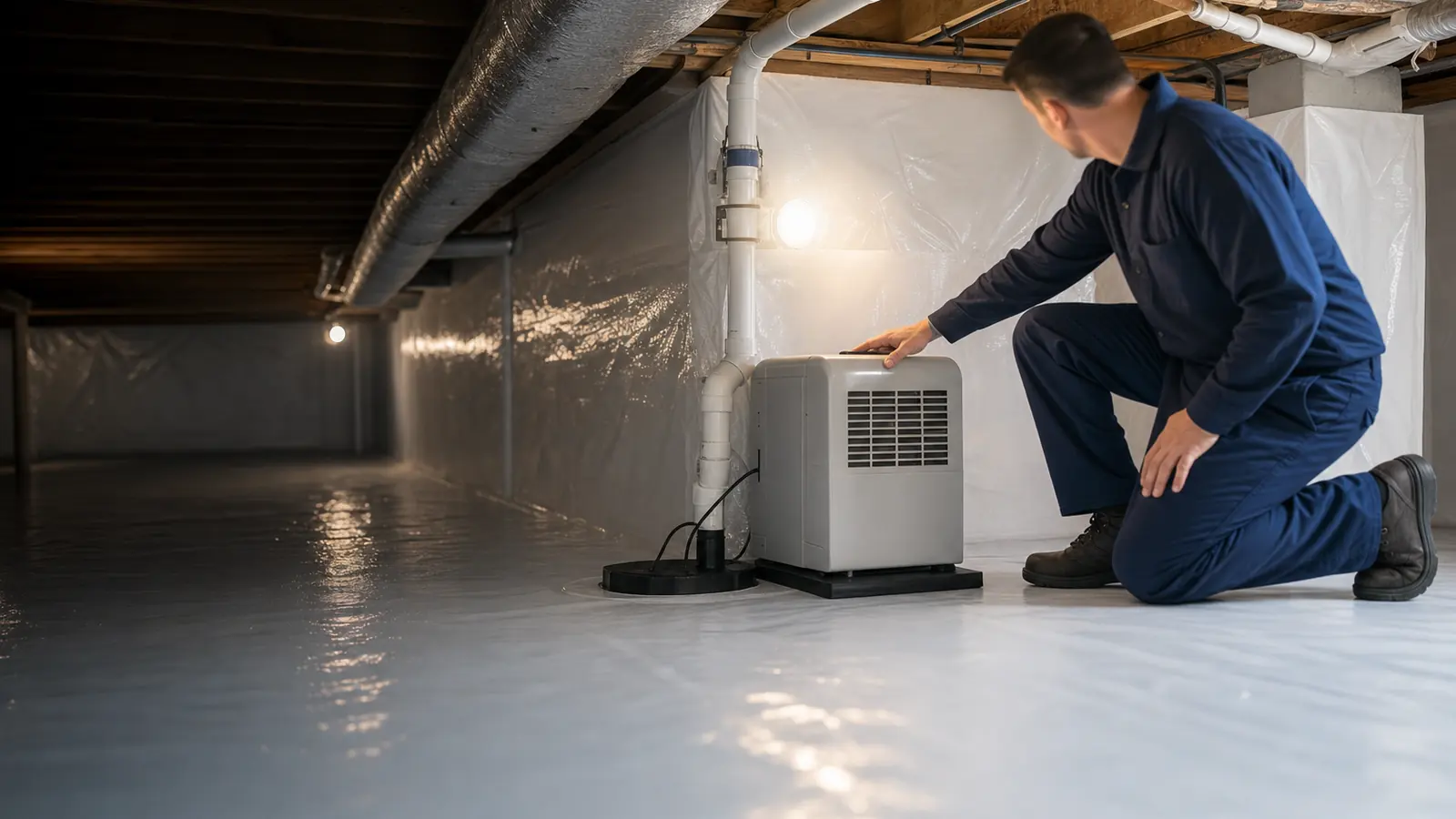
Inside the crawl space, the inspection separates pest evidence from moisture conditions and from repair needs. The technician checks the vapor barrier, soil, insulation, vents, pipe penetrations, and wood for both pest signs and dampness. Some findings, like a torn vent screen or an open pipe gap, may be handled as part of pest prevention or exclusion. Others, like a failed drain line, a grading problem, or damaged joists, may need a plumber, a drainage correction, or a repair professional. Naming those limits up front protects you from paying for a pest treatment that cannot solve a construction or water-source problem by itself.
After the findings are reviewed, the plan should read like plain English: what pest was identified, what moisture conditions were found, which areas need treatment, what moisture correction is recommended, and what follow-up makes sense. You should leave the conversation understanding which problems are pest problems, which are moisture problems, and which are repair problems. If you want to get ahead of it before the next humid stretch, call (864) 816-7658 or use the contact form for Paladin pest service.
What this means for your home
- The visit starts with your observations and an exterior drainage check, not a preset spray route.
- Condition correction lowers repeat pressure by addressing moisture, food sources, harborage, and easy entry points.
- A clear plan tells you what is a pest problem, what is a moisture problem, and what is a repair problem.
Crawl space and moisture
Drop crawl-space humidity below 55% and keep it there
Most recurring pest pressure traces back to crawl-space conditions. We measure relative humidity, check the vapor barrier, inspect the dehumidifier and ducts, and look at drainage outside before we quote a scope.
Done well, that means a 12-mil reinforced barrier sealed to piers and walls, a sized professional dehumidifier with auto-drain, and a sealed access door.
Keep exploring Paladin
Related Paladin services and guides for Upstate homeowners.
Related Paladin services
crawl space moisture control
Learn more about how Paladin handles this for Upstate families.
Read more →
Greenville pest control
Learn more about how Paladin handles this for Upstate families.
Read more →crawl space pest inspection
Learn more about how Paladin handles this for Upstate families.
Read more →home pest inspection
Learn more about how Paladin handles this for Upstate families.
Read more →moisture remediation
Learn more about how Paladin handles this for Upstate families.
Read more →Frequently asked questions
What humidity level is too high for a Greenville crawl space?
As a general rule, crawl space relative humidity that stays above roughly 60 to 70 percent for long stretches keeps wood damp and invites moisture-loving pests. Greenville's wet springs and humid summers make it easy for an unsealed crawl space to sit in that range. The practical goal of moisture remediation is to keep the space dry enough that wood stays sound and insects lose interest, which usually means sealing the soil and controlling ventilation or humidity.
Does a damp crawl space always mean I have termites?
No. A damp crawl space raises termite risk because subterranean termites need soil moisture, but dampness alone does not prove an active infestation. Mud tubes on the foundation, hollow-sounding or damaged wood, and discarded wings are the signs that call for a careful termite inspection. Moisture is a warning to look closely, not a diagnosis on its own.
How are camel crickets connected to crawl space moisture?
Camel crickets favor cool, dark, humid spaces, which makes a damp crawl space ideal habitat. When you see them clustering near the crawl door or in damp corners, the underlying issue is usually too much moisture. Lowering humidity through drainage correction, a sealed vapor barrier, and ventilation or dehumidification is the most reliable way to reduce their numbers over time.
Should pest control come before or after moisture remediation?
It depends on the findings. Pest identification usually comes first so the technician knows what is present and whether anything, such as active termites, needs immediate attention. Moisture correction then removes the conditions that keep pests coming back, and any remaining pest treatment is placed where the pressure actually is. The two work best as a coordinated sequence rather than separate, disconnected visits.
How often should a Greenville crawl space be checked for moisture and pests?
A crawl space should be checked at least once a year, and sooner after heavy rain, a plumbing issue, or repeated indoor pest sightings. Homes with a history of moisture, termite, or rodent problems may benefit from seasonal checks so small access points and damp spots are caught before they turn into a recurring infestation.
Ready to shield your family?
One call to Paladin and we’ll meet you where you are, from a quick walk-through to a long-term protection plan.