Upstate South Carolina · Practical, low-disruption pest work
Crawl Space Fungal Treatment in Boiling Springs, SC: Separating Treatment From Moisture Correction
Crawl Space Fungal Treatment in Boiling Springs, SC works best when treatment and moisture work stay separate. A good inspection notes visible growth. It also notes moisture signs and access limits. The scope should then spell…
- Product placement chosen around kids, pets, and pollinators
- A real Spartanburg crew, not a national call center
- Plain-English findings before any treatment starts
Quick Answer
Crawl Space Fungal Treatment in Boiling Springs, SC works best when treatment and moisture work stay separate. A good inspection notes visible growth. It also notes moisture signs and access limits. The scope should then spell out what treatment covers. It should also state what needs a moisture-control or other-trade referral.
For the next step, compare moisture remediation, read about crawl space moisture control, or check where Paladin works across Upstate SC.
Key Takeaways
- Treatment and moisture correction are two separate scopes of work.
- Visible-area documentation should happen before scope decisions.
- Moisture-source referral may be needed alongside treatment.
- Access limits can change what a crawl space inspection covers.
- Treatment boundaries should be written down, not assumed.
- Other-trade referrals are common for plumbing or grading issues.
- Homeowners can prepare by noting visible signs and access points.
How should fungal-treatment capability and moisture-source correction be scoped separately?
Fungal treatment addresses visible surface growth. Moisture-source correction targets the water or humidity that caused it. These are two different jobs. A clear proposal lists what treatment covers. It also states what moisture work is recommended. It notes which tasks belong to another trade like plumbing or grading.
Crawl space work often gets bundled into one vague quote. That approach can leave homeowners unsure what was actually addressed. This connects closely with moisture remediation when you are comparing next steps.
Treatment scope usually covers visible fungal growth on wood surfaces or insulation within reach. It does not usually fix the water source causing that growth.
Moisture-source correction can include vapor barrier work, grading changes, or drainage fixes. These tasks may need a different specialist than the one applying treatment. For a wider plan, pair this with Upstate SC service areas so the whole property is covered.
Asking for a written breakdown of treatment versus moisture work helps avoid confusion later. It also makes quotes easier to compare.
What this means for your home
- Practical takeaway: Fungal treatment addresses visible surface growth.
- Documentation should summarize findings, treated areas, product locations where applicable, and the recommended follow-up plan.
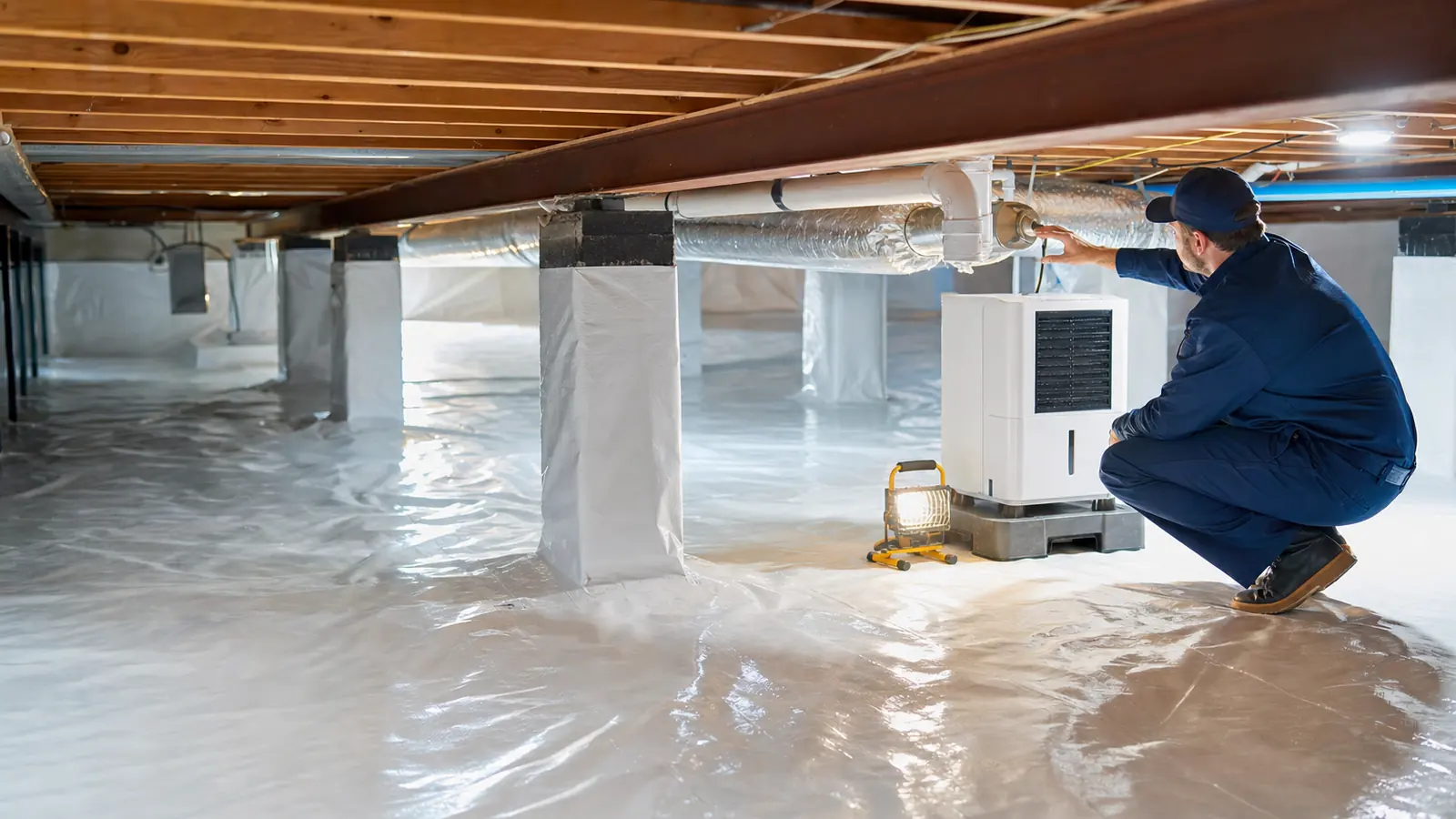
What should a professional crawl-space fungal treatment inspection document?
A thorough inspection records visible growth locations, moisture signs, and ventilation condition. It also notes any access limits. This record forms the basis for scoping treatment accurately. It helps decide whether extra referrals are needed for moisture or structural concerns outside the treatment scope.
Documentation is the backbone of an honest scope. Without it, treatment recommendations can feel arbitrary to a homeowner. Homeowners seeing similar pressure can also review crawl space moisture control before scheduling.
A useful inspection notes where growth is visible. It records the approximate extent and the surfaces affected. Photos taken during the visit support this record.
Moisture indicators matter just as much as visible growth. Standing water, damp insulation, and condensation on pipes all point to different causes. This connects closely with requesting service from Paladin when you are comparing next steps.
Access notes matter too. If part of the crawl space could not be reached, that limit should be stated clearly in the report.
What this means for your home
- Documentation should summarize findings, treated areas, product locations where applicable, and the recommended follow-up plan.
- Practical takeaway: A thorough inspection records visible growth locations, moisture signs, and ventilation condition.
- Service notes should tell you what was found, what was treated, and what to watch for before the next visit.
Is crawl space fungal treatment the same as fixing moisture?
No, they are separate scopes. Treatment addresses visible growth. Moisture correction targets the underlying water source that let growth develop in the first place.
Want a professional to look at this?
The office will confirm the available appointment date.
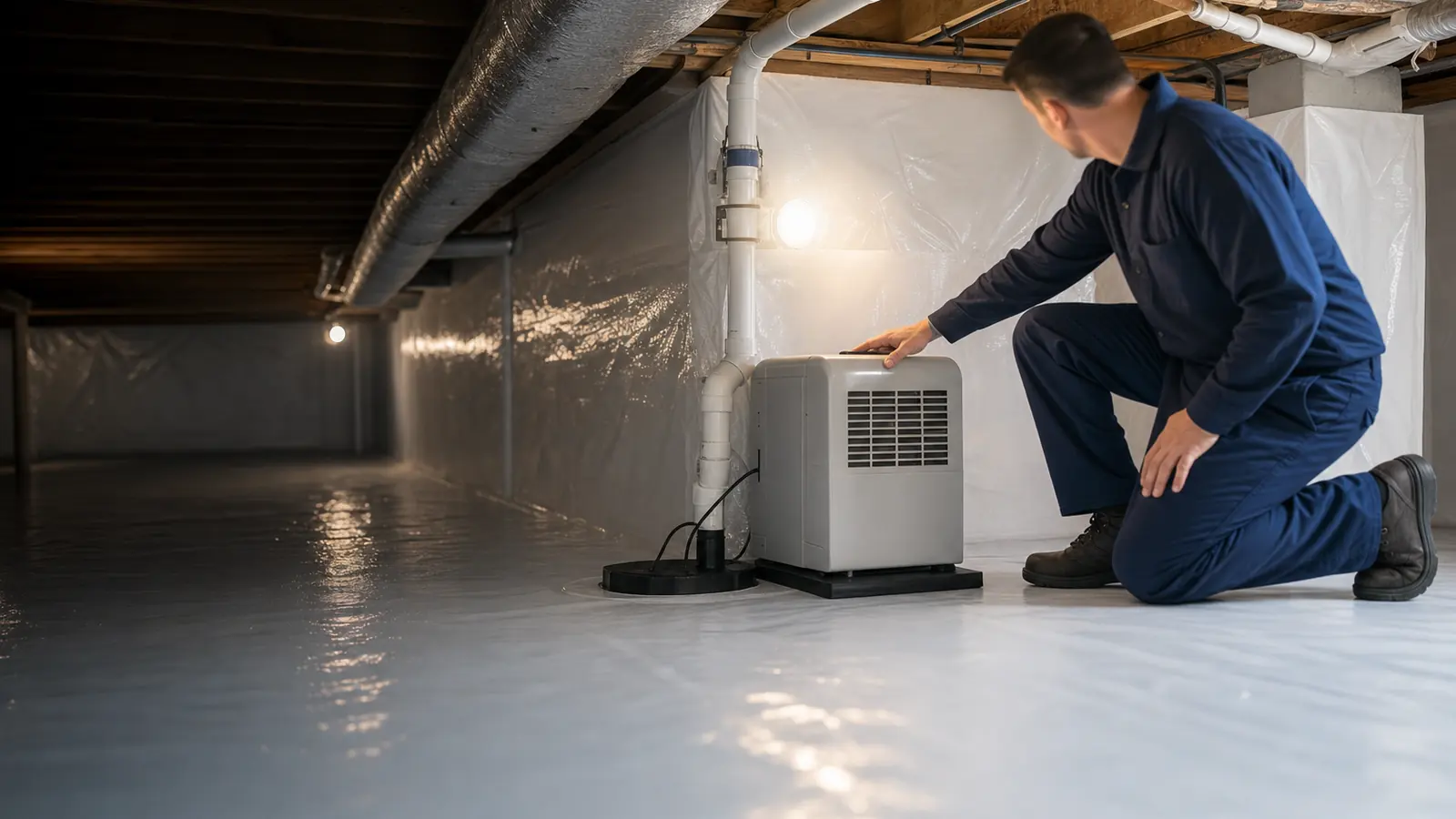
Which findings can change the crawl-space fungal treatment service scope?
Findings like heavy moisture, blocked access panels, or standing water can change the scope. Damaged vapor barriers can too. A provider may need to pause treatment planning until moisture is addressed. Access must improve first. Treating over an active moisture source rarely holds up for long.
Some crawl spaces look straightforward until the inspection begins. New findings can shift the plan quickly. For a wider plan, pair this with vapor barrier installation so the whole property is covered.
Standing water or a soaked vapor barrier usually means moisture correction should happen before or alongside treatment. Otherwise the cause stays active.
Blocked or restricted access panels can limit what a technician can safely reach. The visible-area scope may narrow until access improves. Homeowners seeing similar pressure can also review moisture remediation before scheduling.
When findings point to plumbing leaks, foundation cracks, or grading problems, referral to another trade is often the right next step. Expanding treatment alone will not solve those issues.
What this means for your home
- Practical takeaway: Findings like heavy moisture, blocked access panels, or standing water can change the scope.

Should homeowners prepare evidence before requesting a crawl space inspection?
Yes. Homeowners can note visible signs, musty odors, or recent water events before the visit. This helps the inspector focus attention faster. It also gives a fuller picture of conditions that might not show up during just one short inspection window.
A little preparation can make an inspection more productive. It also helps homeowners feel more informed about the process. This connects closely with Upstate SC service areas when you are comparing next steps.
Noting when odors are strongest, or whether they follow rain, is useful context. Seasonal patterns sometimes point toward a specific moisture source.
Photos of any visible growth taken from a safe vantage point, such as through an access panel, can add to the inspector's own documentation. For a wider plan, pair this with crawl space moisture control so the whole property is covered.
Past water intrusion, plumbing repairs, or grading changes near the foundation are worth mentioning too. These details often connect to what an inspector finds.
What this means for your home
- Practical takeaway: Yes.
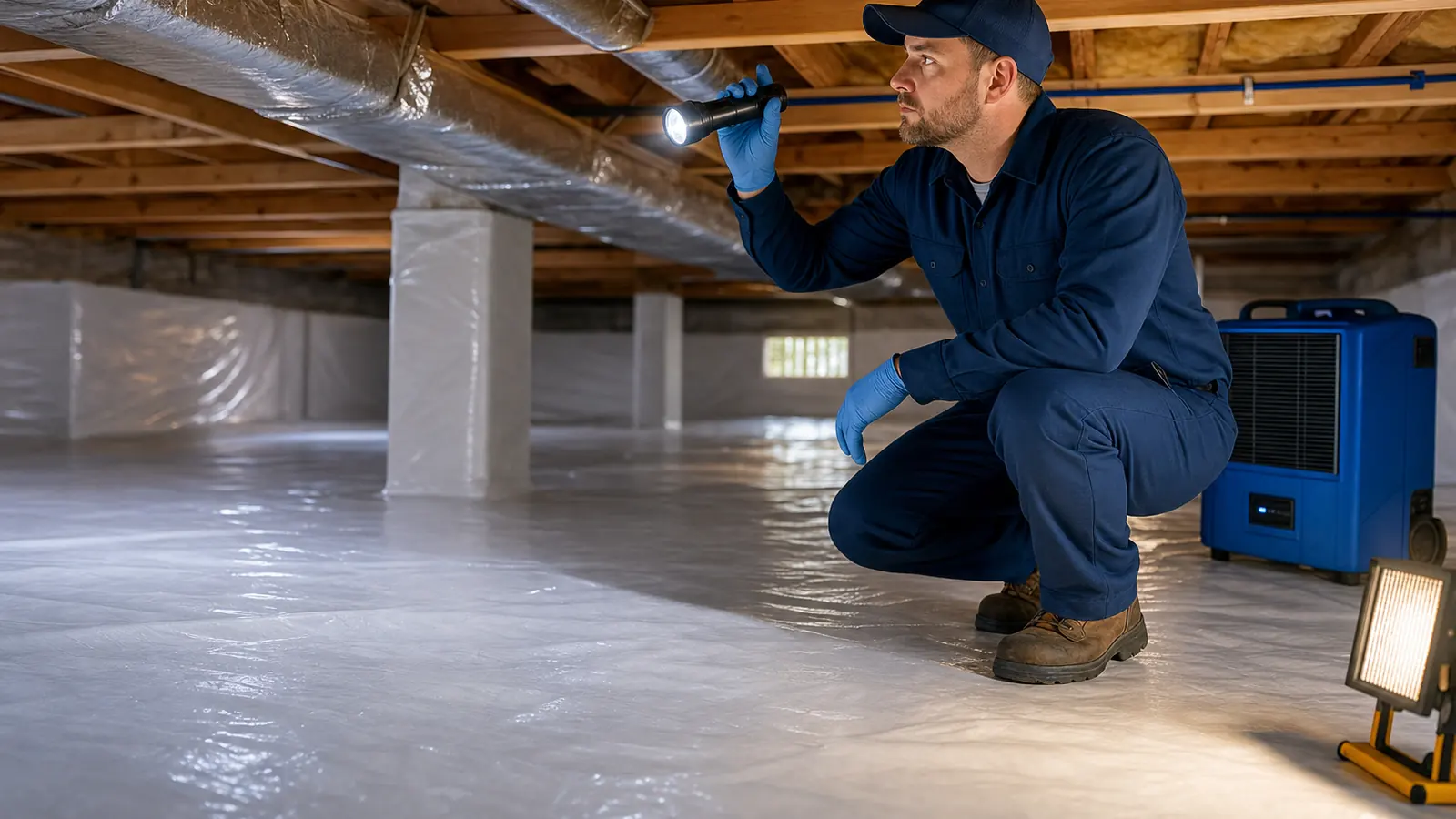
Can limited crawl space access affect the treatment plan?
Yes. Limited access can restrict which areas get inspected or treated in one visit. Tight clearance, blocked panels, or items stored near the entry point may need to be cleared first. Only then can a full visible-area assessment happen properly.
Crawl spaces vary widely in height and layout across Upstate South Carolina homes. Some allow easy movement while others stay quite tight. Homeowners seeing similar pressure can also review requesting service from Paladin before scheduling.
When access is restricted, the inspector may only document what is visible from the entry point. Full coverage may need a follow-up visit after obstructions clear.
Stored items, debris, or damaged access doors near the entrance are common obstacles. Clearing these ahead of time can help the visit go smoothly. This connects closely with vapor barrier installation when you are comparing next steps.
A written note about any access limits should appear in the final report. This keeps expectations aligned with what was actually inspected.
What this means for your home
- Practical takeaway: Yes.

Does a fungal treatment scope typically include vapor barrier repair?
Not always. Vapor barrier repair often falls under moisture control rather than fungal treatment itself. A clear proposal states whether barrier repair is included. It should note if it is recommended as a separate item, or referred to another provider. Ask before you sign anything.
Vapor barriers are a common source of confusion in crawl space proposals. Some providers include repair, others do not. For a wider plan, pair this with moisture remediation so the whole property is covered.
Treatment scope generally focuses on visible growth on surfaces within reach. The barrier material itself is a moisture-control component, not a treatment target.
If a barrier is torn, missing, or poorly installed, that finding usually points toward a moisture-correction recommendation. It may become a separate line item or a referral. Homeowners seeing similar pressure can also review requesting service from Paladin before scheduling.
Asking directly whether barrier work is included in a quote avoids surprises. It also clarifies who handles that part of the job.
What this means for your home
- Practical takeaway: Not always.
When should a homeowner expect an other-trade referral instead of treatment?
A referral is likely when findings point to plumbing leaks, drainage issues, or grading problems. These sit outside pest or fungal treatment scope. In these cases, fixing the root cause with the right trade usually comes before or alongside any treatment recommendation.
Not every crawl space issue belongs to one trade. Some findings clearly point elsewhere. This connects closely with crawl space moisture control when you are comparing next steps.
A dripping supply line or drain pipe is a plumbing matter. Treating fungal growth near an active leak rarely produces a lasting result.
Grading that directs rainwater toward the foundation is a landscaping or drainage concern. This kind of fix usually falls outside a pest or treatment provider's scope. For a wider plan, pair this with moisture remediation so the whole property is covered.
A responsible inspection report will flag these findings and suggest the right specialist. This keeps the homeowner informed rather than paying for treatment that cannot fix the underlying cause.
What this means for your home
- Practical takeaway: A referral is likely when findings point to plumbing leaks, drainage issues, or grading problems.
Crawl space and moisture
Drop crawl-space humidity below 55% and keep it there
Most recurring pest pressure traces back to crawl-space conditions. We measure relative humidity, check the vapor barrier, inspect the dehumidifier and ducts, and look at drainage outside before we quote a scope.
Done well, that means a 12-mil reinforced barrier sealed to piers and walls, a sized professional dehumidifier with auto-drain, and a sealed access door.
Why this post exists on the Paladin blog
This post was written by someone who actually does this work on Upstate homes, not by a contractor or a marketing team that has never seen the species in person. The Paladin blog exists to answer the questions we hear on real service calls, honestly, in plain English, without selling you a service you do not need. If a post helps you solve the problem on your own, that is a successful post for us. If you read it and decide you would rather have a trained technician on site, that is what the phone is for. Either path is fine.
A first Paladin visit is intended to document the activity, inspect relevant areas, and explain the proposed scope before work begins. Appointment timing and the exact inspection areas depend on the request and property access. Call (864) 816-7658 or use the contact form so the office can confirm the current options.
Paladin is based in Boiling Springs, SC and serves the approved Upstate locations listed on this site. Each recommendation should be tied to conditions documented at the property, including pest evidence, moisture, entry points, food, water, shelter, and access. The office confirms address availability without promising a route frequency or response window.
Keep exploring Paladin
Related Paladin services and guides for Upstate homeowners.
Frequently asked questions
What is included in a typical crawl space fungal treatment scope?
A typical scope covers visible growth on accessible surfaces within the crawl space. It usually does not include fixing plumbing leaks, grading, or vapor barrier replacement. Those tasks count as separate moisture-correction or other-trade work. They should be spelled out in the proposal before work begins.
How does Paladin Pest Solutions approach crawl space inspections?
Paladin Pest Solutions uses multi-point inspections to document visible conditions and access limits in the crawl space. Findings from that visit help determine whether treatment fits. They also show whether a moisture-control referral makes sense, or whether another trade should be brought in first.
Why might a proposal separate treatment from moisture-source correction?
Separating these scopes keeps expectations clear for everyone involved. Treatment addresses what is visible right now. Moisture correction addresses the cause behind it. Combining them without a clear line can leave a homeowner unsure what was actually accomplished during the visit.
Can I request an inspection if I only smell a musty odor?
Yes, a musty odor alone is a reasonable reason to request an inspection. Noting when the smell seems strongest helps. Also note whether it follows rain or humid weather. This can help the inspector focus attention efficiently and narrow down likely sources during the visit.
Does Paladin Pest Solutions serve homes outside Boiling Springs, SC?
Paladin Pest Solutions is based in Boiling Springs, SC and serves approved locations across Upstate South Carolina. Exact-address availability is confirmed by the office. Reaching out directly is the best way to confirm coverage for a specific property before scheduling any visit or scope discussion.
What happens if access to the crawl space is limited during inspection?
Limited access gets noted in the inspection report as a scope boundary rather than ignored. Full coverage of the visible area may require a follow-up visit. This happens once obstructions near the entry point are cleared, so the assessment reflects what was actually reachable that day.
Ready to shield your family?
One call to Paladin and we’ll meet you where you are, from a quick walk-through to a long-term protection plan.