Upstate South Carolina · Pest control for homes with kids and pets
Crawl Space Door System in Boiling Springs, SC: Evaluating Access and Air Gaps
A crawl space door system in Boiling Springs, SC should be checked for opening size, fit, ground grade, drainage, access ease, visible damage, and nearby gaps before it becomes part of any moisture or pest plan. These checkpoints…
- Low-disruption applications focused on cracks, voids, and entry points
- Reachable techs, text us, call us, we answer
- Quarterly programs or one-time visits, your call
Quick Answer
A crawl space door system in Boiling Springs, SC should be checked for opening size, fit, ground grade, drainage, access ease, visible damage, and nearby gaps before it becomes part of any moisture or pest plan. These checkpoints help a homeowner gather clear evidence and ask for the right inspection scope.
For the next step, compare moisture remediation, read about crawl space moisture control, or check where Paladin works across Upstate SC.
Key Takeaways
- Measure the opening before comparing any replacement door option.
- Check that the door fits flush without visible daylight gaps.
- Confirm the ground grade slopes away from the foundation wall.
- Look for standing water or damp soil near the door base.
- Note how easily the door opens for future access needs.
- Photograph any cracks, rust, or warping on the current door.
- List nearby vents, pipes, or gaps that also need review.
What should be evaluated before a crawl-space door system is included in moisture or pest work?
Before adding a crawl-space door system, check the opening size, door fit, ground grade, drainage path, access ease, existing damage, and nearby entry points. These seven areas give a homeowner a clear picture of what a door replacement needs to address alongside broader moisture or pest prevention work.
A crawl space door is a small part of a home, but it plays a role in how air, moisture, and small animals move around the foundation. Looking at it alone without checking nearby conditions can miss the bigger picture. This connects closely with moisture remediation when you are comparing next steps.
Start with a simple walk around the foundation. Note where the door sits, how it lines up with the opening, and whether soil or plants press against it.
Write down what you see before calling anyone. A short list of measurements and photos makes it easier to compare quotes and confirm the scope of any proposed work. For a wider plan, pair this with Upstate SC service areas so the whole property is covered.
What this means for your home
- Boiling Springs service is adjusted to the home style, season, and pressure pattern instead of using the same checklist everywhere.
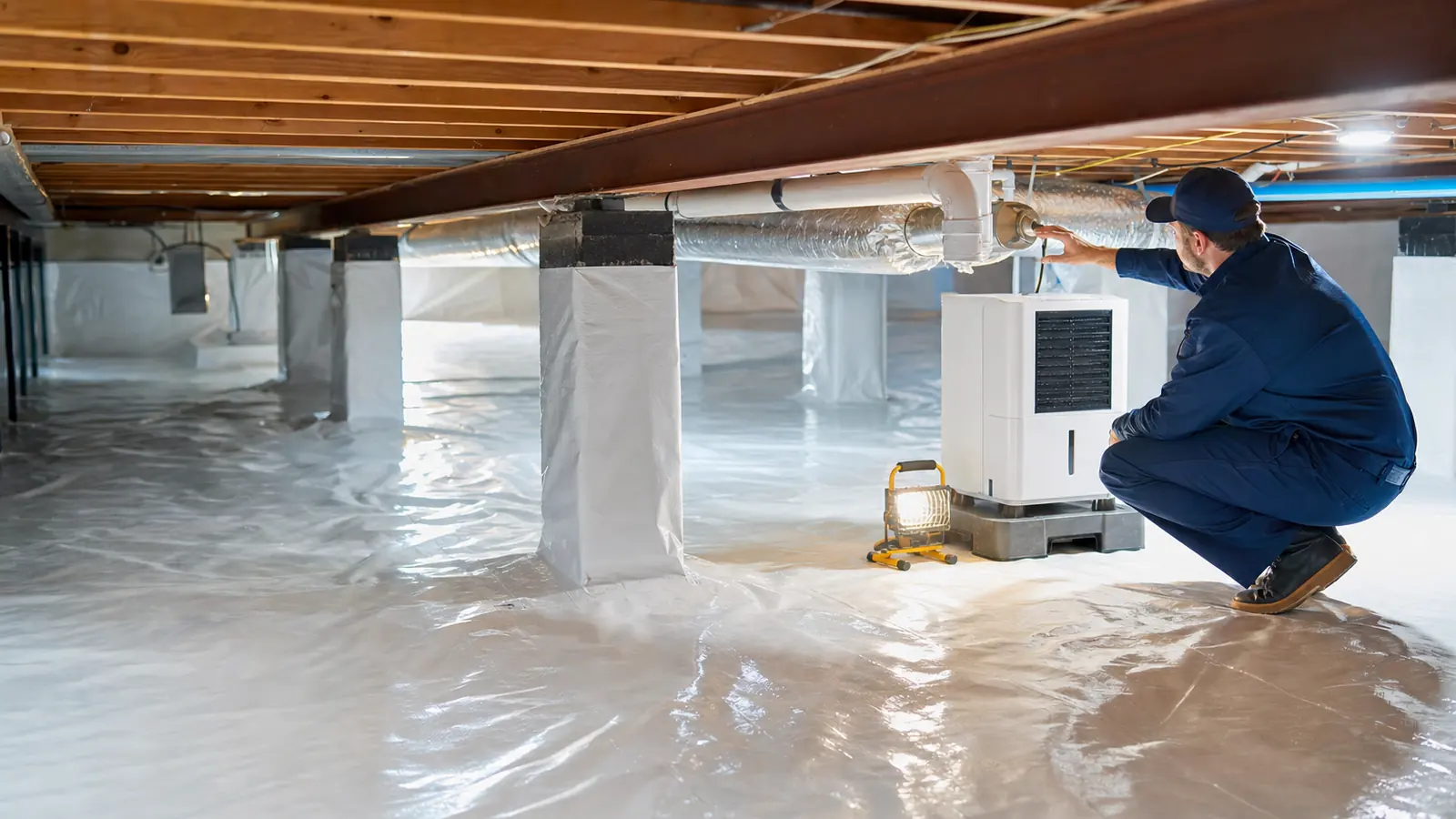
How do you measure the crawl space opening correctly?
Measure the width and height of the framed opening at three points each, since older openings can settle unevenly over time. Record the smallest measurement in each direction so any replacement door or frame fits without forcing or leaving gaps.
Older homes in the Boiling Springs area often have openings that settled slightly over time. A tape measure and a notepad are enough to capture what you need. Homeowners seeing similar pressure can also review crawl space moisture control before scheduling.
Measure width at the top, middle, and bottom of the opening. Do the same for height on the left side, center, and right side.
Use the smallest number in each direction as your working measurement. This prevents ordering a door that looks close but does not actually seat correctly. This connects closely with requesting service from Paladin when you are comparing next steps.
What this means for your home
- opening size check
- Practical takeaway: Measure the width and height of the framed opening at three points each, since older openings can settle unevenly over time.
Can I check the crawl space door myself before calling anyone?
Yes, a basic visual check of fit, grade, and drainage is something most homeowners can do safely from outside the crawl space. Keep a simple list of what you find so it is ready to share during any inspection.
Ready for a straight answer?
Call or message, we'll listen first and recommend only what fits your home.

Why does door fit matter for pest and moisture control?
A door that fits loosely leaves gaps where air, moisture, and small pests can pass through the foundation wall. Checking for even contact along all four edges helps confirm whether the current door is doing its job or needs attention.
Stand back and look at the door from a few feet away in daylight. Gaps often show up as thin lines of light around the edges. For a wider plan, pair this with vapor barrier installation so the whole property is covered.
Run a hand along the seam where the door meets the frame. Warm or cool air movement at the seam usually signals a fit problem worth noting.
A door that swings freely but does not seal well is just as much a concern as one that is stuck shut. Both conditions deserve a spot on your checklist. Homeowners seeing similar pressure can also review moisture remediation before scheduling.
What this means for your home
- Practical takeaway: A door that fits loosely leaves gaps where air, moisture, and small pests can pass through the foundation wall.
- air gap check

Should the ground grade near the door be checked?
Yes, the soil grade near a crawl space door should slope gently away from the foundation, not toward it. A grade that traps water against the door or frame can contribute to moisture issues that a new door alone will not solve.
Walk the perimeter near the door after a rain if possible. Pooling water or muddy soil right at the base is worth photographing. This connects closely with Upstate SC service areas when you are comparing next steps.
Compare the grade a few feet out from the foundation to the grade right against it. A noticeable dip toward the house is a detail worth mentioning to anyone doing an inspection.
Mulch beds built up against the door frame can also hold moisture longer than bare soil. Note plant beds and mulch depth near the opening as part of your review. For a wider plan, pair this with crawl space moisture control so the whole property is covered.
What this means for your home
- foundation grade check
- Practical takeaway: Yes, the soil grade near a crawl space door should slope gently away from the foundation, not toward it.
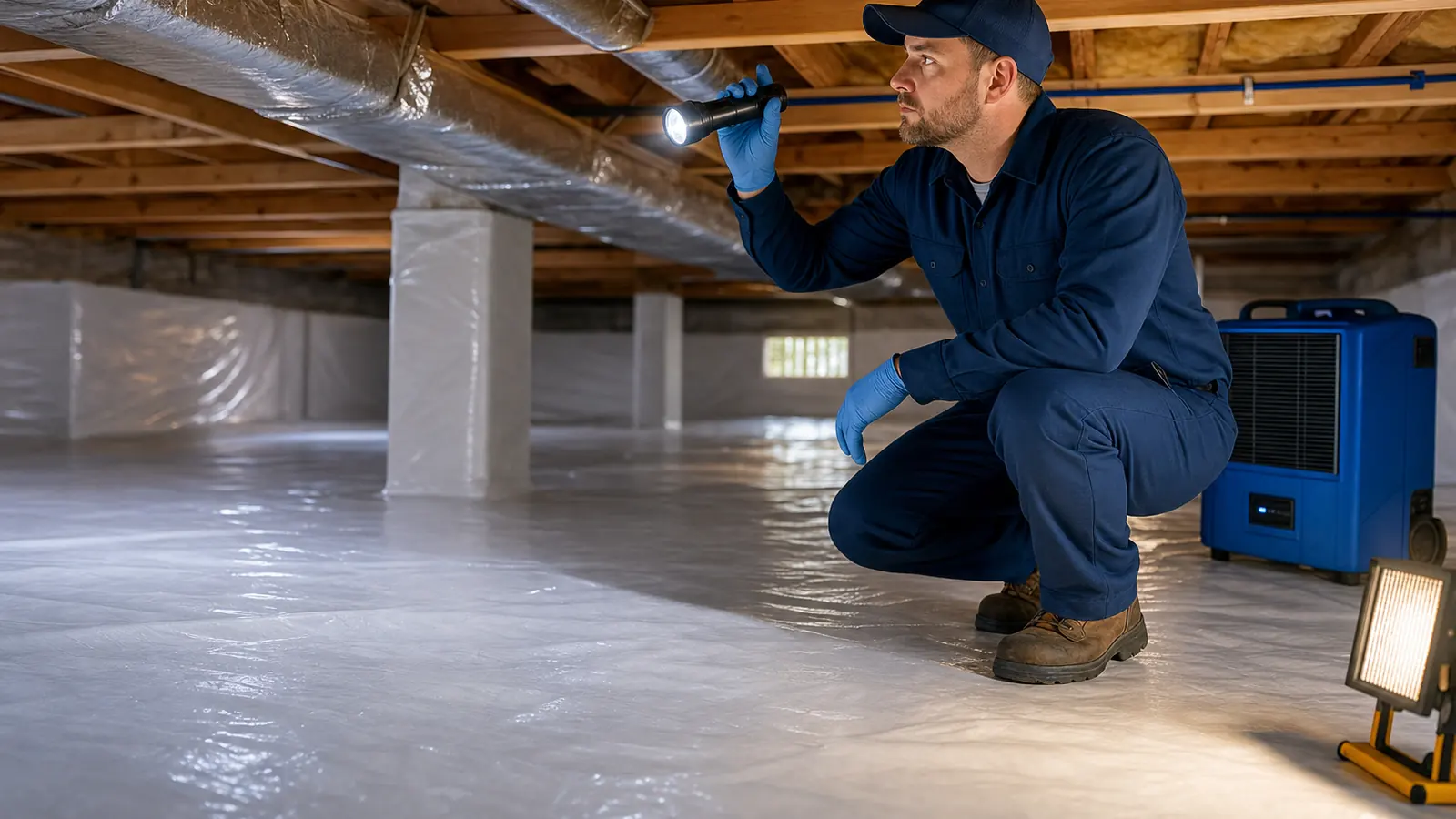
Which drainage signs point to a bigger moisture concern?
Standing water, damp soil, water stains near the door frame, or a musty smell when the door opens are drainage signs worth documenting. These details help determine whether door work alone is enough or if broader moisture review is needed first.
Open the door and look at the ground just inside the opening. Damp or dark soil right at the threshold is a useful detail to record. Homeowners seeing similar pressure can also review requesting service from Paladin before scheduling.
Check the inside face of the door and frame for water staining or discoloration. These marks often show where water has entered in the past even if the area looks dry now.
A brief smell check when the door first opens can also be informative. A musty smell paired with visible dampness is worth noting together rather than separately. This connects closely with vapor barrier installation when you are comparing next steps.
What this means for your home
- Practical takeaway: Standing water, damp soil, water stains near the door frame, or a musty smell when the door opens are drainage signs worth documenting.
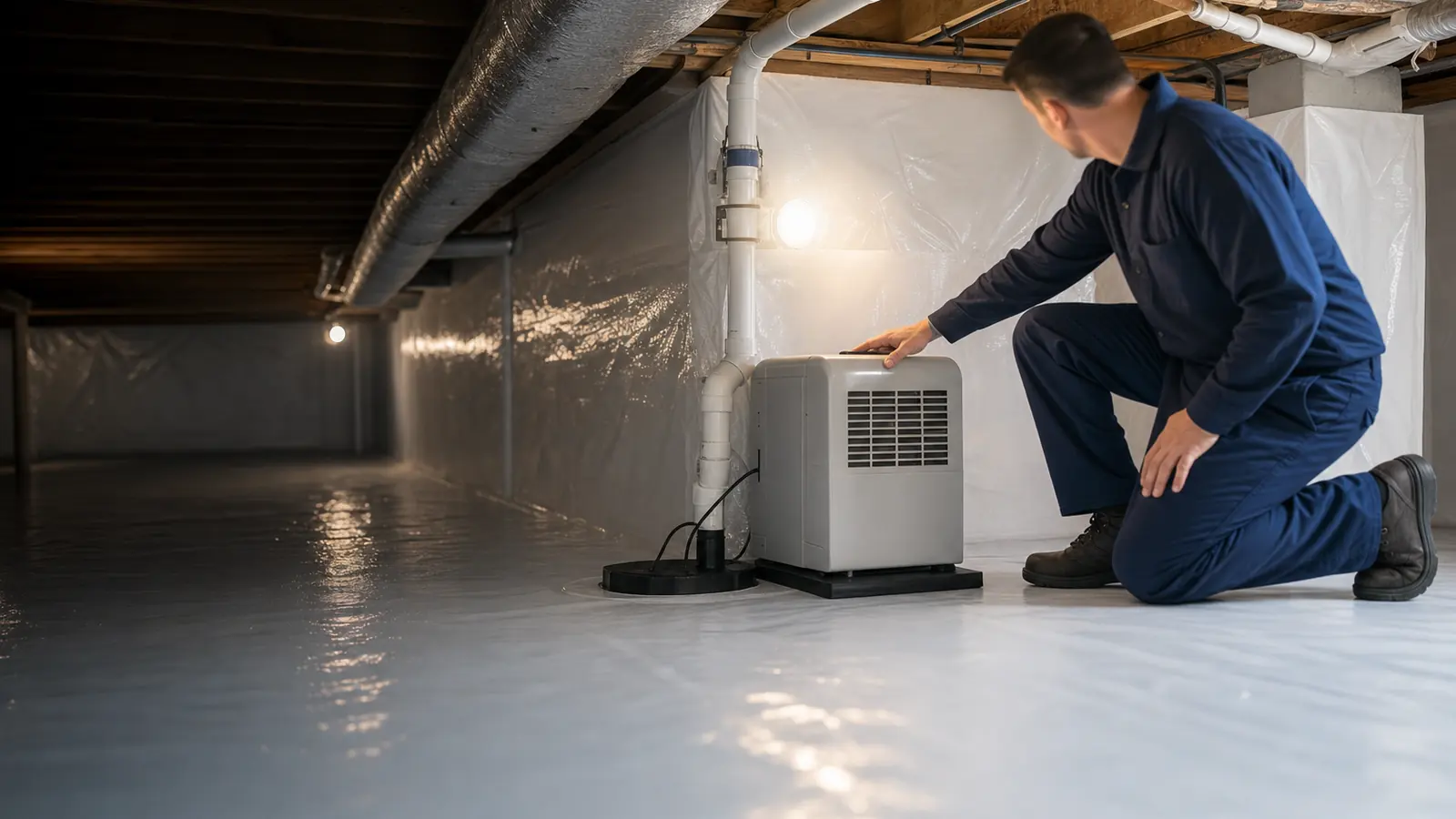
How easy should crawl space access be for future work?
A crawl space door should open without excessive force, stay in place while open, and allow enough clearance for a person to enter comfortably. Poor access can slow down future inspections or maintenance, so it belongs on the evaluation list.
Try opening and closing the door a few times and note how much effort it takes. A door that sticks or drags along the ground is worth flagging. For a wider plan, pair this with moisture remediation so the whole property is covered.
Check whether the door stays open on its own or needs to be propped. This matters if repeat access will be needed for future checks.
Look at what is planted or stored near the opening. Bushes, storage bins, or firewood stacked close to the door can make access harder than it needs to be. Homeowners seeing similar pressure can also review requesting service from Paladin before scheduling.
What this means for your home
- crawl space access check
- Practical takeaway: A crawl space door should open without excessive force, stay in place while open, and allow enough clearance for a person to enter comfortably.
What should a professional crawl-space door systems inspection document?
A thorough inspection should document opening measurements, current door condition, grade and drainage observations, access notes, and any nearby gaps or damage in clear written form. This documentation gives the homeowner a solid record to compare against proposed work, timelines, and any future changes made to the system.
Ask for a written summary rather than a verbal overview only. A summary with specific measurements and photos is easier to reference later. This connects closely with crawl space moisture control when you are comparing next steps.
Request that any damage, rust, warping, or gaps be described with enough detail to locate them again. Vague notes are harder to act on down the road.
Confirm that the summary separates what was observed from what is being proposed. Keeping these two things distinct helps you understand the reasoning behind any suggested scope. For a wider plan, pair this with moisture remediation so the whole property is covered.
What this means for your home
- Documentation should summarize findings, treated areas, product locations where applicable, and the recommended follow-up plan.
Which findings can change the crawl-space door systems service scope?
Findings such as a badly warped frame, significant grade problems, active water intrusion, or several nearby gaps can expand the scope well beyond a simple door swap. Understanding these common triggers helps a homeowner ask sharper questions and set clearer expectations before any work actually begins.
A door replacement alone will not fix a frame that has shifted or rotted. If the frame itself is compromised, that usually needs attention first. Homeowners seeing similar pressure can also review vapor barrier installation before scheduling.
Grade or drainage problems found during the door review may point toward broader yard or foundation drainage work. A new door will not correct water that keeps arriving at the same spot.
Gaps around vents, pipes, or utility penetrations near the door are also worth flagging together. Addressing the door without looking at these nearby openings can leave the job incomplete. This connects closely with crawl space moisture control when you are comparing next steps.
What this means for your home
- Practical takeaway: Findings such as a badly warped frame, significant grade problems, active water intrusion, or several nearby gaps can expand the scope well beyond a simple door swap.
Crawl space and moisture
Drop crawl-space humidity below 55% and keep it there
Most recurring pest pressure traces back to crawl-space conditions. We measure relative humidity, check the vapor barrier, inspect the dehumidifier and ducts, and look at drainage outside before we quote a scope.
Done well, that means a 12-mil reinforced barrier sealed to piers and walls, a sized professional dehumidifier with auto-drain, and a sealed access door.
Why this post exists on the Paladin blog
This post was written by someone who actually does this work on Upstate homes, not by a contractor or a marketing team that has never seen the species in person. The Paladin blog exists to answer the questions we hear on real service calls, honestly, in plain English, without selling you a service you do not need. If a post helps you solve the problem on your own, that is a successful post for us. If you read it and decide you would rather have a trained technician on site, that is what the phone is for. Either path is fine.
A first Paladin visit is intended to document the activity, inspect relevant areas, and explain the proposed scope before work begins. Appointment timing and the exact inspection areas depend on the request and property access. Call (864) 816-7658 or use the contact form so the office can confirm the current options.
Paladin is based in Boiling Springs, SC and serves the approved Upstate locations listed on this site. Each recommendation should be tied to conditions documented at the property, including pest evidence, moisture, entry points, food, water, shelter, and access. The office confirms address availability without promising a route frequency or response window.
Keep exploring Paladin
Related Paladin services and guides for Upstate homeowners.
Frequently asked questions
What should be evaluated before a crawl-space door system is included in moisture or pest work?
Look at the opening size, how well the door fits, the ground grade nearby, drainage conditions, ease of access, visible damage, and any adjacent gaps around vents or pipes. Reviewing all seven areas together gives a clearer picture than checking the door alone.
How do I measure a crawl space opening accurately?
Measure width and height at three points each across the opening, since older frames can be slightly uneven from years of settling. Use the smallest measurement in each direction as your reference so a replacement door will fit without gaps or forcing during installation.
Why does the ground grade near the door matter?
Soil that slopes toward the foundation instead of away from it can direct water right at the door and frame over time. Checking the grade carefully, along with nearby mulch beds and plantings, helps identify whether drainage adjustments are needed alongside any planned door work at the property.
What documentation should come from a crawl-space door systems inspection?
A useful inspection should include clear measurements, condition notes, drainage and grade observations, and any nearby gaps, ideally supported with photos. This kind of written record helps a homeowner compare the proposed scope of work against what was actually observed on site during the visit.
Can a damaged door frame change the scope of the project?
Yes, a warped, rotted, or shifted frame usually needs repair before a new door can be properly fitted into place. Skipping this step can lead to the same fit and gap problems returning again soon after installation is finished, even with a brand new door.
Does Paladin Pest Solutions only work on crawl space doors?
Paladin Pest Solutions offers broader services including multi-point inspections, entry-point sealing, rodent control, and wildlife removal across approved areas of Upstate South Carolina. A crawl-space door review often fits naturally within this wider inspection process for the whole property and its foundation.
Ready to shield your family?
One call to Paladin and we’ll meet you where you are, from a quick walk-through to a long-term protection plan.