Upstate South Carolina · Local pest crew, plain-English answers
Crawl Space Dehumidifier in Boiling Springs, SC: Questions Before Equipment Is Scoped
A crawl space dehumidifier in Boiling Springs, SC works best after a few checks. First, look for standing water. Next, note vent and insulation condition. Then confirm power sits nearby. These simple steps help match the right…
- Careful, targeted treatments built around your household
- Local Upstate route, real callbacks from our Spartanburg office
- Honest scoping, never a sales script
Quick Answer
A crawl space dehumidifier in Boiling Springs, SC works best after a few checks. First, look for standing water. Next, note vent and insulation condition. Then confirm power sits nearby. These simple steps help match the right unit to your space.
For the next step, compare moisture remediation, read about crawl space moisture control, or check where Paladin works across Upstate SC.
Key Takeaways
- Find moisture sources before unit sizing begins
- Check standing water and drainage before install
- Vents and vapor barriers affect unit work
- Power access near the unit matters for setup
- Checks plans track humidity trends after service
- A written worksheet helps compare provider scopes
- Paladin serves approved Upstate South Carolina locations
Which moisture-source, drainage, air-sealing, and service questions come before equipment selection?
Start by asking about active water in the space. Then ask where gutters drain near the walls. Ask about vent status and insulation too. These facts change sizing and placement. They matter more than square footage alone for a good fit.
Water sources often matter more than crawl space size. A unit cannot keep up with an ongoing leak. It also cannot dry a standing puddle on its own. This connects closely with moisture remediation when you are comparing next steps.
Grading and gutter discharge can push water toward the foundation. Check where downspouts empty outside. This is an easy first step for any homeowner.
Vent condition and insulation gaps let outside humidity in. Note any open or damaged vents. Do this before you talk with a provider. For a wider plan, pair this with Upstate SC service areas so the whole property is covered.
What this means for your home
- Boiling Springs service is adjusted to the home style, season, and pressure pattern instead of using the same checklist everywhere.
- Practical takeaway: Start by asking about active water in the space.
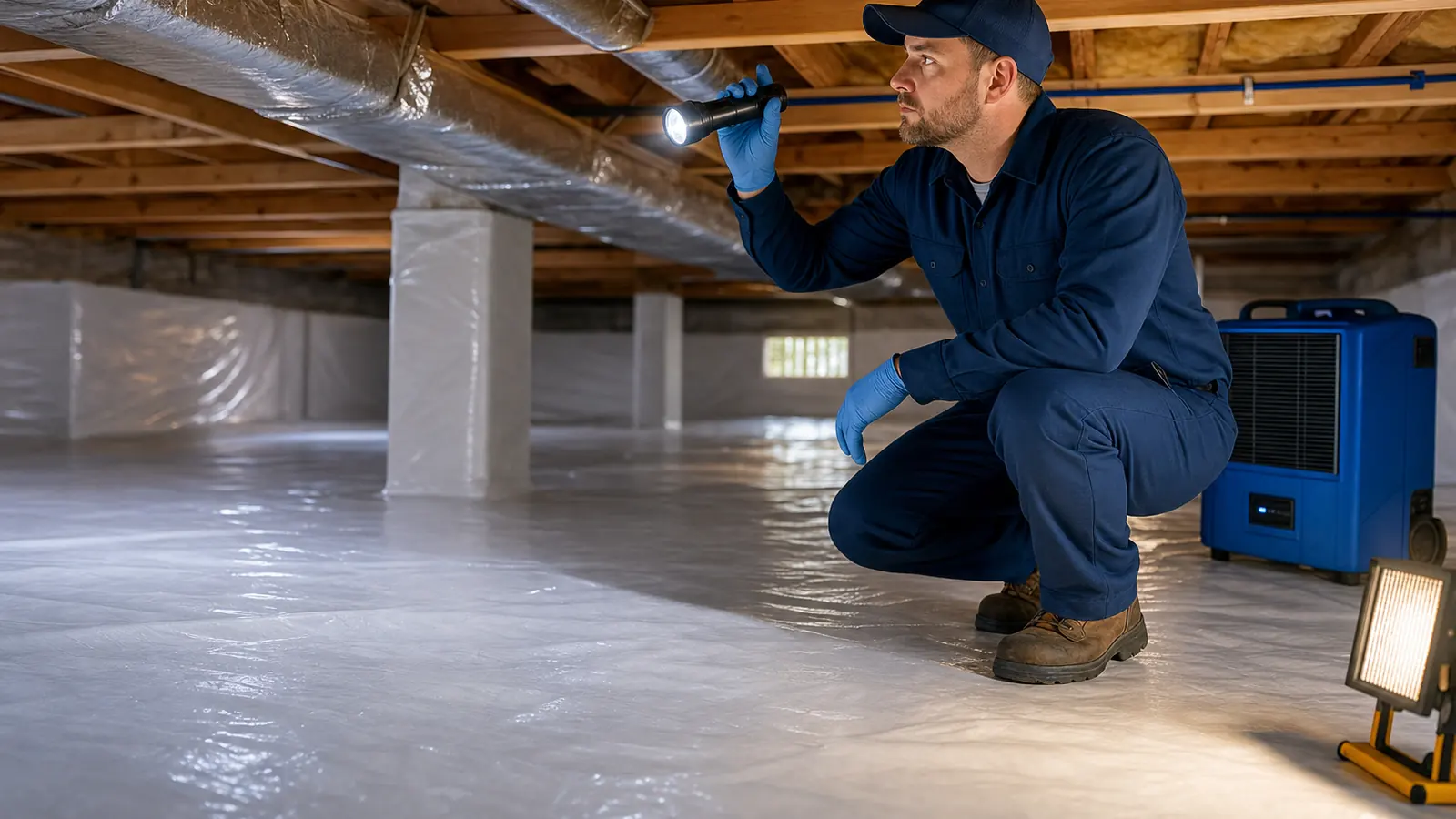
What should a professional crawl-space dehumidification inspection document?
A useful check records visible moisture and vent locations. It notes insulation quality and vapor barrier condition too. Standing water or drainage trouble gets written down as well. Photos plus short notes give a clear record. This helps when comparing a proposed scope later.
Notes should include photos of the floor and walls. Water staining should be captured as well. These images give a baseline before work begins. Homeowners seeing similar pressure can also review crawl space moisture control before scheduling.
Vent count and placement should be noted clearly. Record whether each one is open, closed, or damaged. This affects airflow calculations used for sizing.
Insulation type and condition should be recorded too. Note any existing vapor barrier present. Gaps or tears can undermine unit work. This connects closely with requesting service from Paladin when you are comparing next steps.
What this means for your home
- Documentation should summarize findings, treated areas, product locations where applicable, and the recommended follow-up plan.
- Condition correction lowers repeat pressure by addressing moisture, food sources, harborage, and easy entry points.
- Service notes should tell you what was found, what was treated, and what to watch for before the next visit.
Do I need a vapor barrier before installing a crawl space unit?
A vapor barrier often comes up alongside unit setup. It reduces ground moisture rising into the space. Reviewing barrier condition first helps decide if it needs repair or replacement as part of the scope.
Talk to the Paladin office.
Ask about the next available appointment and what the inspection includes.

Which findings can change the crawl-space dehumidification service scope?
Active leaks can change the scope quickly. Poor drainage or damaged vapor barriers can too. Missing insulation often matters as well. These issues usually need attention before or alongside install. Fixing them early helps the unit work as intended once it runs.
If an check finds an active water source, that issue usually needs attention first. Otherwise the unit may run constantly. It still may not solve the real problem. For a wider plan, pair this with vapor barrier installation so the whole property is covered.
Damaged or missing vapor barriers change how much moisture rises from the soil. This can shift the recommended unit capacity. It can also change where the unit sits.
Poor exterior drainage may need discussion before unit goes in. This includes grading that slopes toward the foundation. Fixing water at its source supports steadier humidity. Homeowners seeing similar pressure can also review moisture remediation before scheduling.
What this means for your home
- Practical takeaway: Active leaks can change the scope quickly.
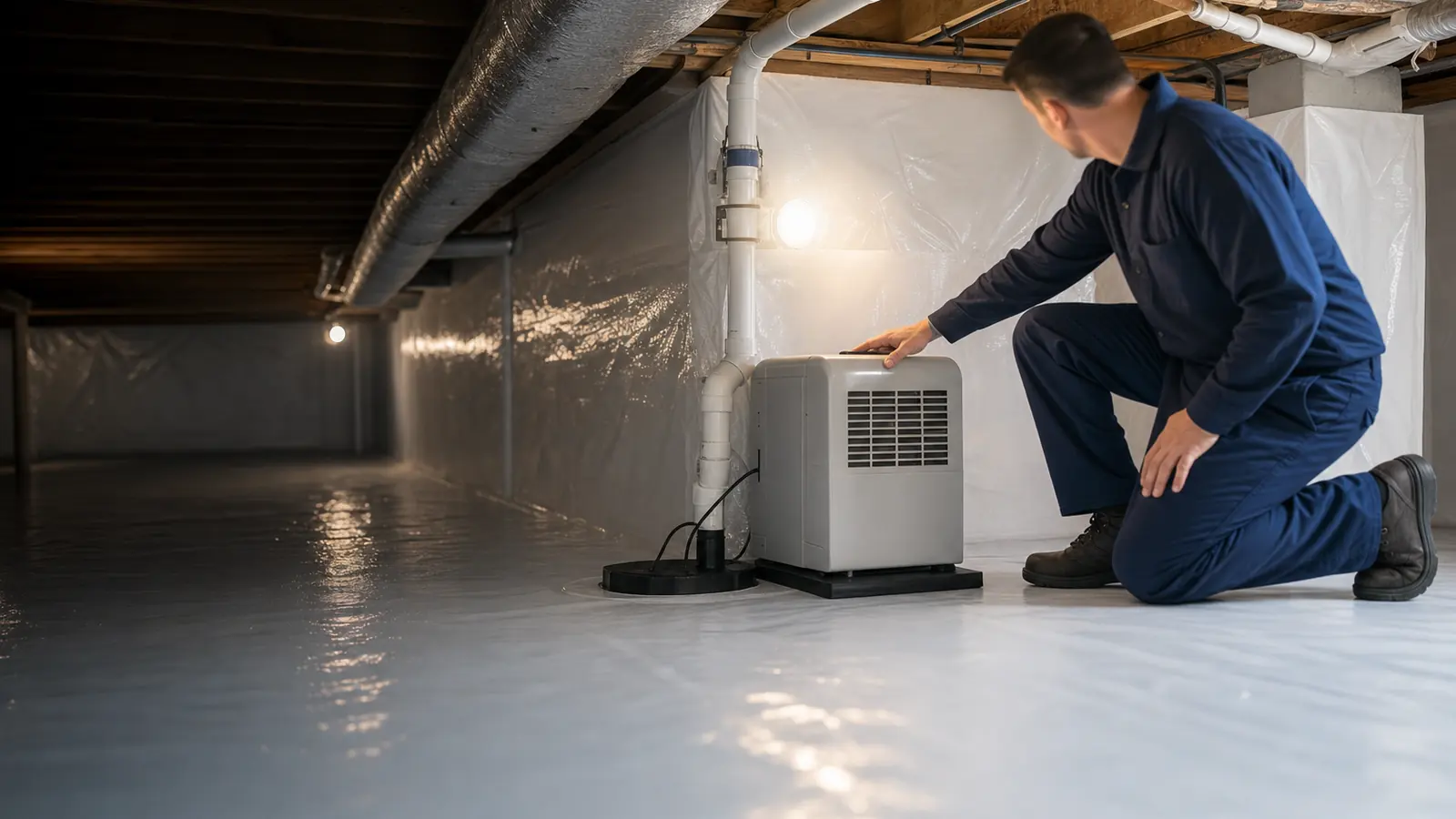
How does air sealing affect crawl space dehumidifier performance?
Air sealing cuts down humid outside air entering the space. This helps the unit hold steady readings. Small gaps around vents and pipes let moisture in daily. Sealing these spots supports more predictable work. It can also ease the daily workload on the unit.
Unsealed vents and gaps let outside air mix with crawl space air. This can force the unit to work harder than it should. This connects closely with Upstate SC service areas when you are comparing next steps.
Pipe penetrations and access door seals are common overlooked spots. Reviewing these areas early sets realistic expectations for the project.
A well sealed enclosure supports more predictable humidity readings. This makes it easier to track whether the unit is doing its job. For a wider plan, pair this with crawl space moisture control so the whole property is covered.
What this means for your home
- Practical takeaway: Air sealing cuts down humid outside air entering the space.

Why does electrical access matter when planning dehumidifier placement?
Power access decides where a unit can safely sit. It also affects whether extra wiring becomes needed later. Checking outlet location and circuit capacity early helps avoid awkward placement. This step can save time on setup day. It keeps the project on a clear, simple track.
Many crawl spaces lack a dedicated outlet near the ideal spot. Spotting this early avoids last minute placement changes on setup day. Homeowners seeing similar pressure can also review requesting service from Paladin before scheduling.
Circuit capacity matters if other unit shares the same line. An overloaded circuit can cause the unit to underperform. It can also trip breakers repeatedly.
Talking through power access before setup day helps set a realistic scope. It also gives homeowners time to plan any needed power work separately. This connects closely with vapor barrier installation when you are comparing next steps.
What this means for your home
- Practical takeaway: Power access decides where a unit can safely sit.
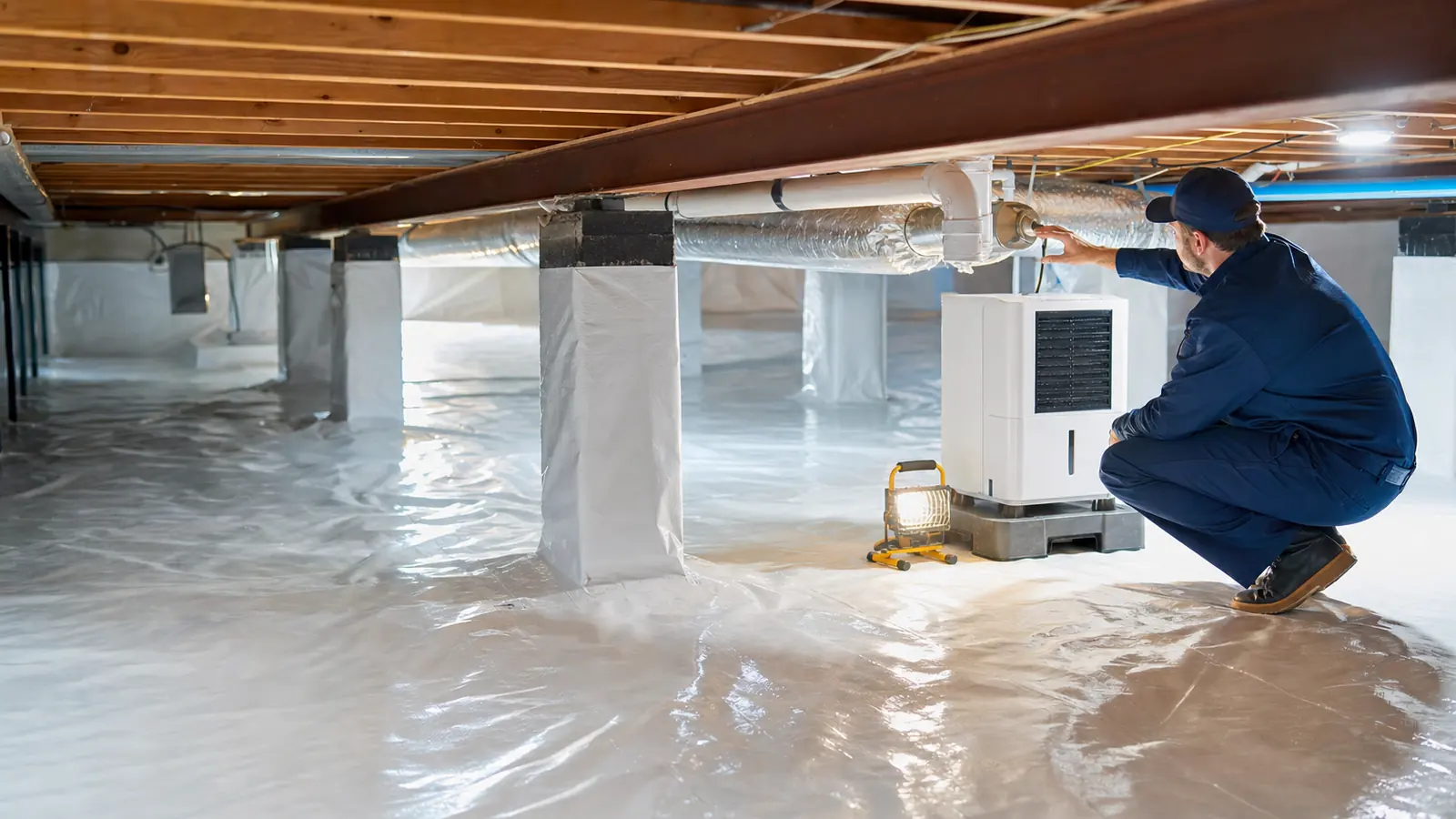
Should a monitoring plan be part of the dehumidification service scope?
A checks plan tracks humidity trends after the unit is installed. It also confirms whether the unit meets expectations over time. Ask whether checks or check-ins are included in the scope. This gives homeowners a clearer view of maintenance needs each season.
Humidity readings taken over time show whether the crawl space trends the right way. A single reading at install time tells only part of the story. For a wider plan, pair this with moisture remediation so the whole property is covered.
Some checks approaches use simple gauges. Others include periodic check-ins. Ask which approach fits your situation and comfort level.
Understanding the checks plan upfront sets clear expectations. This avoids confusion later about who tracks readings and how often it happens. Homeowners seeing similar pressure can also review requesting service from Paladin before scheduling.
What this means for your home
- Practical takeaway: A checks plan tracks humidity trends after the unit is installed.
- readings and check-ins
Can a dehumidifier work without additional drainage or sealing improvements?
A unit can run without drainage or sealing improvements. Outcomes vary based on how severe the moisture sources are. Fixing drainage and sealing alongside the unit often supports steadier control. Ask a provider how they weigh each approach for your situation.
A standalone unit may reduce humidity somewhat. It still fights ongoing moisture if drainage issues remain unresolved. This can shorten unit life and add maintenance needs. This connects closely with crawl space moisture control when you are comparing next steps.
Sealing gaps and fixing exterior drainage reduces the load on the unit. This combined approach tends to produce steadier readings over time.
Ask providers how they weigh unit alone against a combined approach. This helps clarify what result to expect from the proposed scope. For a wider plan, pair this with moisture remediation so the whole property is covered.
What this means for your home
- Practical takeaway: A unit can run without drainage or sealing improvements.
How should homeowners prepare a worksheet before requesting a service scope?
A worksheet should list moisture sources and drainage notes from around the home. It should also cover vent and insulation condition inside the crawl space. Power access and checks preferences belong on the list too. This helps homeowners compare provider scopes side by side.
Start the worksheet with dated photos and notes on any visible water or staining. Include grading and gutter observations taken from outside the home too. Homeowners seeing similar pressure can also review vapor barrier installation before scheduling.
Add a section for vent count, insulation type, and vapor barrier condition. These details help frame unit sizing discussions with any provider.
Finish with power access notes and any checks preferences. Having this ready supports a more focused conversation about scope and next steps. This connects closely with crawl space moisture control when you are comparing next steps.
What this means for your home
- Practical takeaway: A worksheet should list moisture sources and drainage notes from around the home.
- Documentation should summarize findings, treated areas, product locations where applicable, and the recommended follow-up plan.
Crawl space and moisture
Drop crawl-space humidity below 55% and keep it there
Most recurring pest pressure traces back to crawl-space conditions. We measure relative humidity, check the vapor barrier, inspect the dehumidifier and ducts, and look at drainage outside before we quote a scope.
Done well, that means a 12-mil reinforced barrier sealed to piers and walls, a sized professional dehumidifier with auto-drain, and a sealed access door.
Why this post exists on the Paladin blog
This post was written by someone who actually does this work on Upstate homes, not by a contractor or a marketing team that has never seen the species in person. The Paladin blog exists to answer the questions we hear on real service calls, honestly, in plain English, without selling you a service you do not need. If a post helps you solve the problem on your own, that is a successful post for us. If you read it and decide you would rather have a trained technician on site, that is what the phone is for. Either path is fine.
A first Paladin visit is intended to document the activity, inspect relevant areas, and explain the proposed scope before work begins. Appointment timing and the exact inspection areas depend on the request and property access. Call (864) 816-7658 or use the contact form so the office can confirm the current options.
Paladin is based in Boiling Springs, SC and serves the approved Upstate locations listed on this site. Each recommendation should be tied to conditions documented at the property, including pest evidence, moisture, entry points, food, water, shelter, and access. The office confirms address availability without promising a route frequency or response window.
Keep exploring Paladin
Related Paladin services and guides for Upstate homeowners.
Frequently asked questions
What questions should I ask before scoping a crawl space unit in Boiling Springs, SC?
Ask about active moisture sources first. Then ask about drainage and grading near the foundation. Also ask about vent and insulation condition. Include vapor barrier status, power access, and checks plans. These questions help confirm the unit fits your space.
Can standing water affect unit work?
Yes, standing water or an active leak can overwhelm a unit. It can stop the unit from holding steady humidity levels. Fixing the water source is typically discussed before or alongside unit sizing. This supports more consistent results once the unit runs.
Does crawl space air sealing matter if a unit is installed?
Air sealing reduces humid outside air entering the space. This supports steadier unit work over time. Gaps around vents, pipes, and access doors are common trouble spots. These areas get reviewed during a service scope discussion before unit is chosen.
What power points come up during crawl space unit planning?
Outlet location and circuit capacity near the planned spot are common points. It is worth reviewing these details early. Checking ahead of time helps avoid placement compromises. It can also prevent the need for separate power work once setup is scheduled.
Is checks included after a crawl space unit is installed?
Checks practices vary by provider and project scope. It is worth asking directly during the conversation. Some approaches involve simple gauge readings homeowners can check themselves. Others include periodic check-ins that track humidity trends and help confirm the unit still performs well.
Where does Paladin Pest Solutions provide crawl space moisture control service?
Paladin Pest Solutions is based in Boiling Springs, SC. It serves approved locations across Upstate South Carolina. Exact-address availability is confirmed by the office directly. Reaching out is the best way to confirm service for a specific property before scheduling work.
Ready to shield your family?
One call to Paladin and we’ll meet you where you are, from a quick walk-through to a long-term protection plan.