Upstate South Carolina · Local pest crew, plain-English answers
Bed Bug Inspection in Boiling Springs, SC: What Counts as Useful Evidence?
Before a bed bug inspection in Boiling Springs, SC, gather clear photos of stains, shed skins, or live insects, note the rooms and furniture involved, and record when signs first appeared. This helps the inspector focus on the…
- Product placement chosen around kids, pets, and pollinators
- A real Spartanburg crew, not a national call center
- Plain-English findings before any treatment starts
Quick Answer
Before a bed bug inspection in Boiling Springs, SC, gather clear photos of stains, shed skins, or live insects, note the rooms and furniture involved, and record when signs first appeared. This helps the inspector focus on the right areas without needing you to take furniture apart.
For the next step, compare bed bug services, read about bed bug inspection, or check where Paladin works across Upstate SC.
Key Takeaways
- Photos of stains or insects help guide the inspection.
- Bite marks alone cannot confirm bed bugs are present.
- Note the rooms and furniture where signs appeared.
- Keep a simple timeline of when symptoms started.
- Avoid moving furniture before the inspector arrives.
- Save any physical samples in a sealed container.
- A clear evidence packet saves time during the visit.
What Evidence Should You Collect Before a Bed Bug Inspection in Boiling Springs, SC?
Useful evidence includes clear photos of stains, shed skins, or insects, along with notes on which rooms and furniture were affected. Save any physical samples in a sealed bag or container. This gives the inspector a starting point without requiring you to disturb the space beforehand.
Homeowners often feel unsure about what actually helps an inspector. The truth is simple. Photos and notes matter more than guesswork. This connects closely with bed bug services when you are comparing next steps.
Take pictures of any small dark spots on sheets or mattress seams. These spots can be signs worth noting, though they are not proof on their own.
If you find a shed skin or an insect, place it in a sealed bag or small jar. This preserves the sample so it can be reviewed later. For a wider plan, pair this with Upstate SC service areas so the whole property is covered.
Write down which room and which piece of furniture showed the signs. This detail helps focus the visit on the right areas first.
What this means for your home
- Boiling Springs service is adjusted to the home style, season, and pressure pattern instead of using the same checklist everywhere.
- The plan is adjusted for the home type and pest pressure instead of forcing a generic bed bug treatment checklist.
- Service notes should tell you what was found, what was treated, and what to watch for before the next visit.
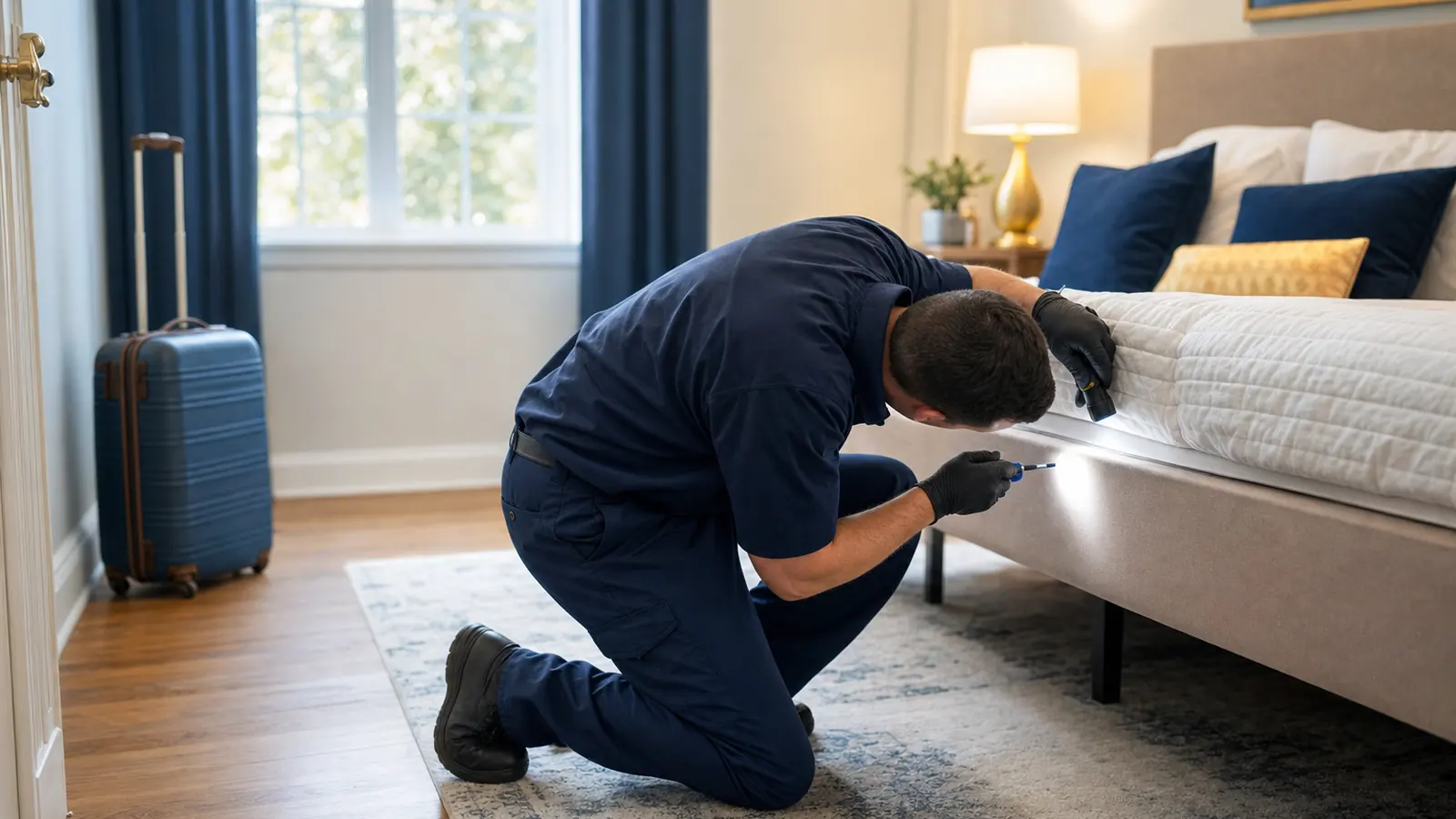
Can Bites Alone Identify Bed Bugs?
No, skin reactions alone cannot confirm bed bugs. Many insects and skin conditions cause similar marks. Physical evidence such as shed skins, stains, or live insects gives a much clearer picture and should be documented alongside any bite patterns you notice.
Bite marks are easy to notice, but they are not reliable evidence by themselves. Many people react differently to the same type of bite. Homeowners seeing similar pressure can also review bed bug inspection before scheduling.
Some individuals show no reaction at all, while others develop noticeable marks. This makes bites an inconsistent clue on their own.
Instead of relying only on bites, look for physical signs in the sleeping area. Stains, skins, or insects offer more concrete information. This connects closely with requesting service from Paladin when you are comparing next steps.
If bites are your only concern, mention this to the inspector, but pair it with any other observations you have gathered.
What this means for your home
- Practical takeaway: No, skin reactions alone cannot confirm bed bugs.
- The plan is adjusted for the home type and pest pressure instead of forcing a generic bed bug treatment checklist.
Do I need to catch a live insect for the inspection to be useful?
No, a live insect is not required. Photos, shed skins, or stains are all useful pieces of evidence. If you happen to find a live insect, sealing it in a small container helps preserve it for review.
Want a professional to look at this?
The office will confirm the available appointment date.

What Should You Photograph Before an Inspection?
Photograph any stains, shed skins, or insects you find, along with the general area where they appeared. Include a wide shot of the room and a close-up of the specific spot. Clear, well-lit photos give the inspector useful context before the visit even begins.
Good photos save time and reduce confusion. Start with a wide shot of the room so the inspector understands the layout. For a wider plan, pair this with bed bug treatment so the whole property is covered.
Then take a close-up of the specific spot, whether it is a stain on the mattress or a mark on the baseboard.
Natural light works best for these photos. Avoid flash, since it can wash out small details that matter. Homeowners seeing similar pressure can also review bed bug services before scheduling.
If you find more than one affected area, photograph each one separately and label them by room name for clarity.
What this means for your home
- Practical takeaway: Photograph any stains, shed skins, or insects you find, along with the general area where they appeared.
- Service notes should tell you what was found, what was treated, and what to watch for before the next visit.
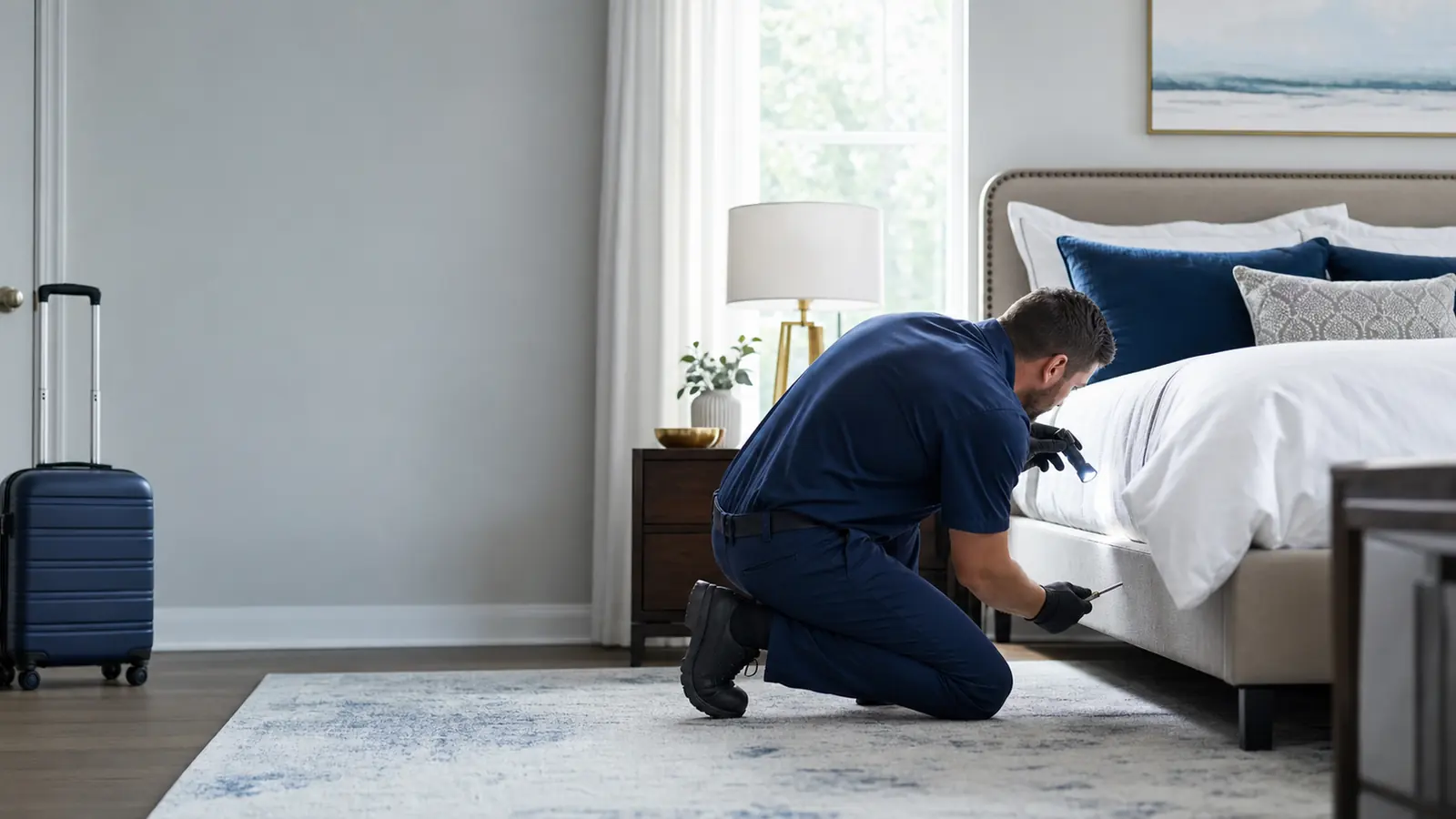
Should Furniture Be Moved Before the Appointment?
No, furniture should stay in place until the inspector arrives. Moving items can scatter evidence or push insects into new areas. Leaving everything as it is allows the inspector to assess the original conditions and locate signs more accurately during the visit.
It might feel productive to start moving furniture around, but this often works against you. Insects can move quickly when disturbed. This connects closely with Upstate SC service areas when you are comparing next steps.
Shifting a mattress or dresser could spread signs into rooms that were not affected before. This makes the inspection more complicated.
Instead, leave everything where it was when you first noticed the signs. Note the original location in your written record. For a wider plan, pair this with bed bug inspection so the whole property is covered.
If you must tidy up for safety reasons, take photos first so the inspector has a reference for the original setup.
What this means for your home
- Practical takeaway: No, furniture should stay in place until the inspector arrives.
- The plan is adjusted for the home type and pest pressure instead of forcing a generic bed bug treatment checklist.
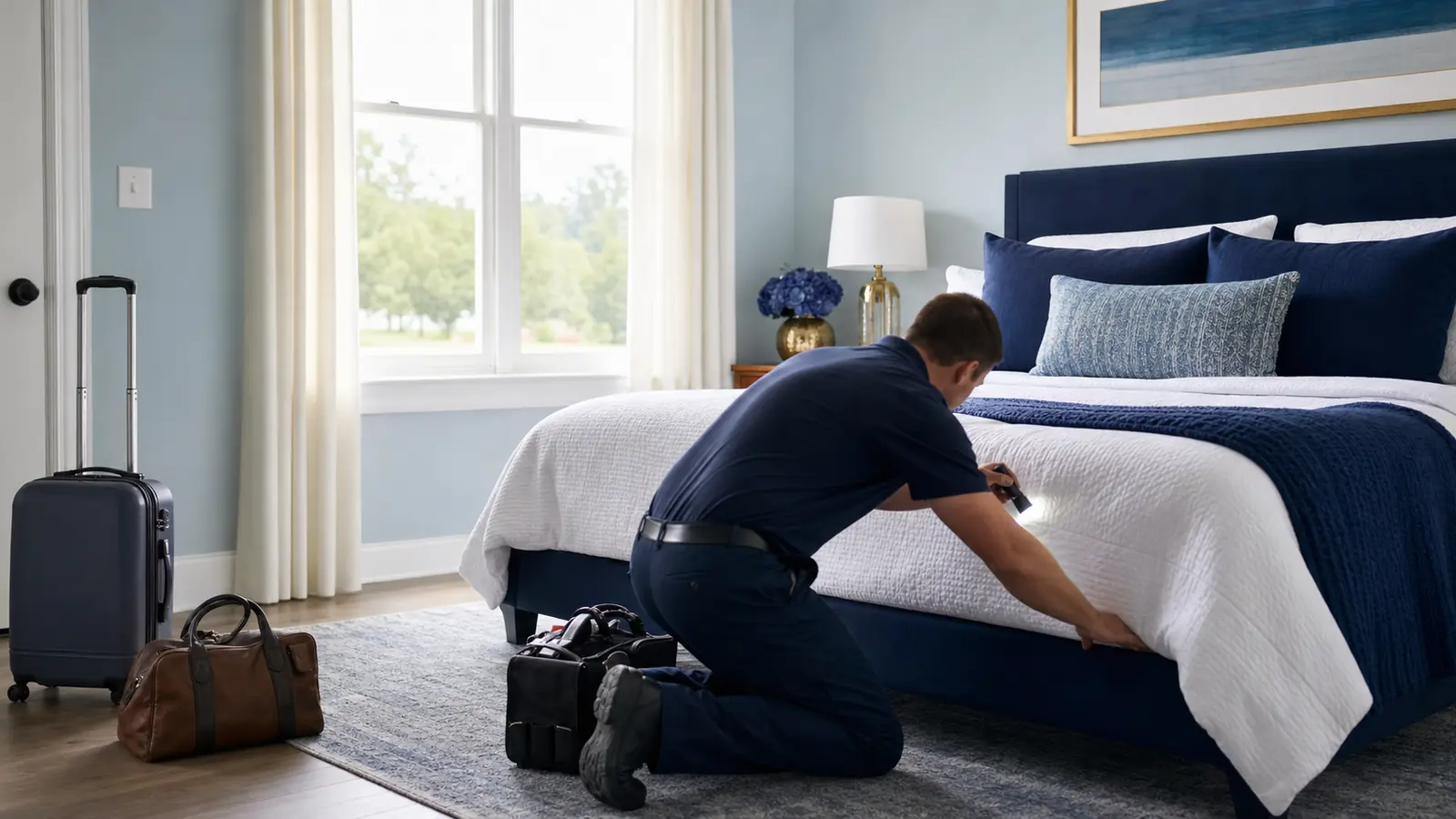
How Should You Organize a Timeline of Signs?
Write down the date you first noticed any signs, along with any changes since then. Include which rooms were affected and when. A simple timeline helps the inspector understand how the situation has developed and which areas may need closer attention first.
A timeline does not need to be complicated. A short list with dates and brief notes works well. Homeowners seeing similar pressure can also review requesting service from Paladin before scheduling.
Start with the very first sign you noticed, even if it seemed minor at the time. Every detail adds context.
Add new entries as things change, such as new rooms affected or new types of evidence found. This connects closely with bed bug treatment when you are comparing next steps.
This record becomes especially useful if signs have appeared in more than one part of the home over several weeks.
What this means for your home
- Practical takeaway: Write down the date you first noticed any signs, along with any changes since then.

Why Does an Evidence Packet Help the Inspection Process?
An evidence packet gives the inspector a clear starting point without requiring furniture to be dismantled or rooms to be rearranged. Photos, samples, and notes let the inspector focus attention where it matters most, making the visit more efficient and less disruptive for the household.
Think of an evidence packet as a short summary you hand over at the start of the visit. It saves everyone time. For a wider plan, pair this with bed bug services so the whole property is covered.
Instead of explaining everything from memory, you can point to specific photos or notes. This reduces the chance of missing details.
The inspector can use this information to decide which rooms need the closest look first, without needing to search blindly. Homeowners seeing similar pressure can also review requesting service from Paladin before scheduling.
A well organized packet also shows the inspector that you have paid attention to detail, which supports a smoother conversation.
What this means for your home
- The plan is adjusted for the home type and pest pressure instead of forcing a generic bed bug treatment checklist.
- Practical takeaway: An evidence packet gives the inspector a clear starting point without requiring furniture to be dismantled or rooms to be rearranged.
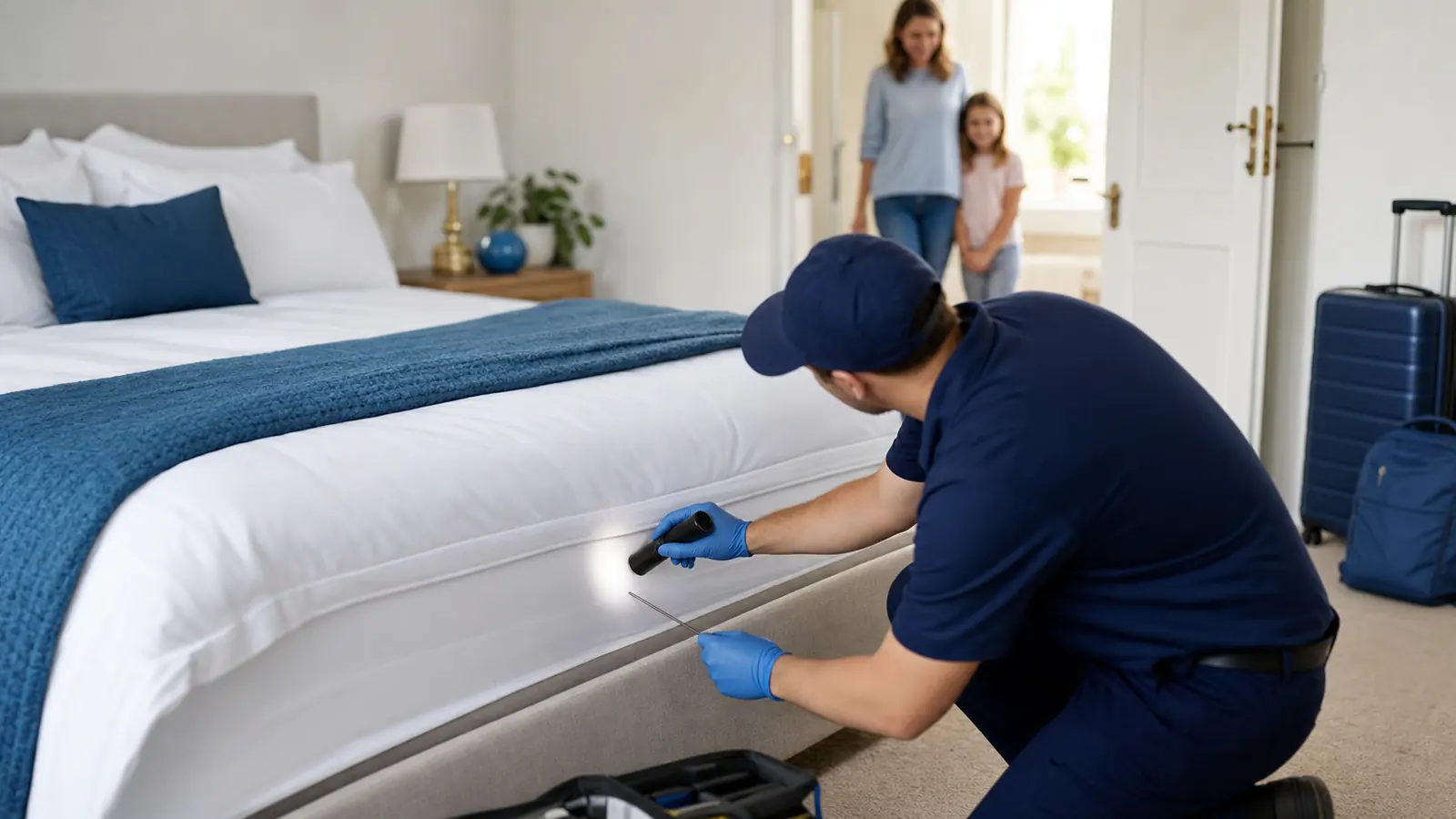
Is It Helpful to Note Where Furniture Came From?
Yes, noting where furniture came from can add useful context. Secondhand items, recent travel, or guests staying overnight are details worth recording. This information does not confirm anything on its own, but it can help the inspector understand possible entry points more clearly.
Many homeowners forget to mention recent changes in the household. A new piece of furniture or a recent trip can be relevant. This connects closely with bed bug inspection when you are comparing next steps.
Write down if any furniture was purchased secondhand or brought in from storage. Include approximate dates if you remember them.
Recent overnight guests or travel can also be worth a quick note, since these details sometimes connect to when signs first appeared. For a wider plan, pair this with bed bug services so the whole property is covered.
None of these details need to be dramatic or detailed. A short sentence for each item is enough to be useful.
What this means for your home
- Practical takeaway: Yes, noting where furniture came from can add useful context.
- Service notes should tell you what was found, what was treated, and what to watch for before the next visit.
- The plan is adjusted for the home type and pest pressure instead of forcing a generic bed bug treatment checklist.
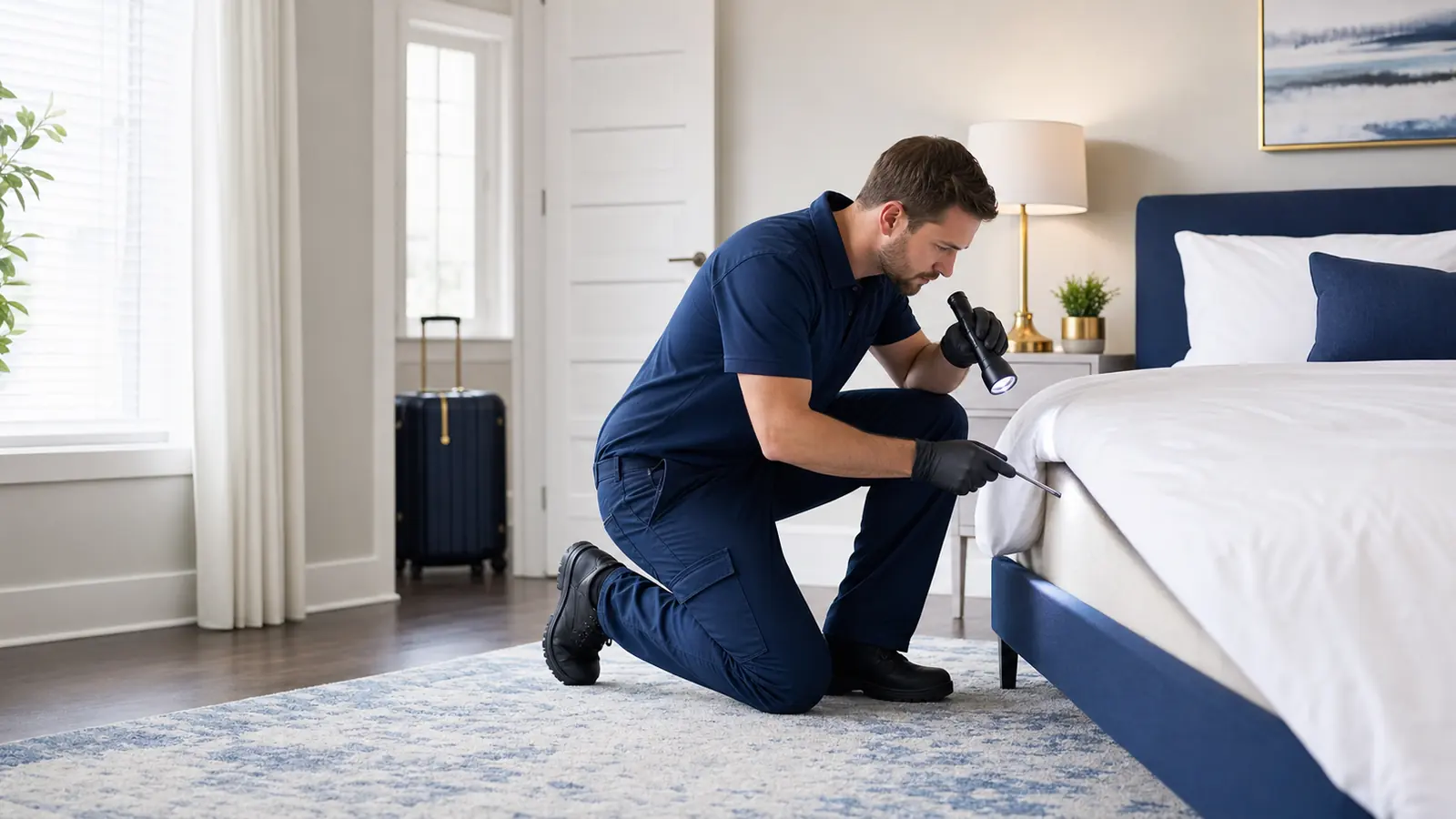
When Should You Schedule a Professional Bed Bug Inspection?
Schedule an inspection once you have gathered photos, samples, and notes on the affected rooms. Having this information ready before you call helps the process move smoothly. Reach out as soon as you feel confident in your documentation rather than waiting for signs to increase.
There is no need to wait until you have everything perfectly organized. A basic set of photos and notes is enough to begin. Homeowners seeing similar pressure can also review bed bug treatment before scheduling.
Once you feel you have a reasonable picture of what has been happening, it is a good time to reach out.
Bring your evidence packet to the conversation, whether by phone or through a contact form. This keeps the process focused. This connects closely with bed bug inspection when you are comparing next steps.
The goal is simply to give the inspector a clear picture so the visit can address the areas you are concerned about.
What this means for your home
- Practical takeaway: Schedule an inspection once you have gathered photos, samples, and notes on the affected rooms.
- Boiling Springs service is adjusted to the home style, season, and pressure pattern instead of using the same checklist everywhere.

Bed bug protocol
Multi-visit treatment with a realistic timeline, no shortcuts
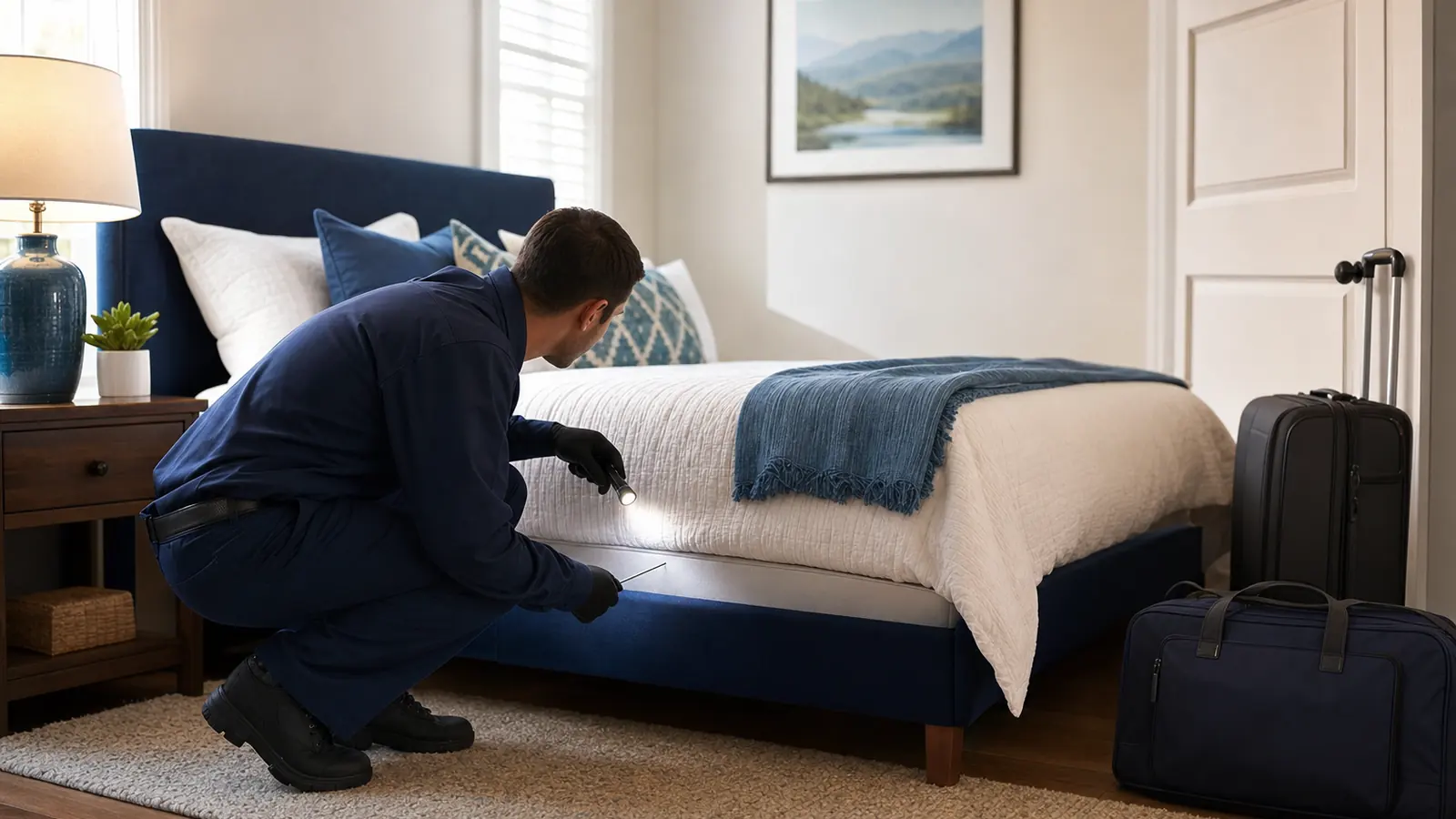
Bed bug work at Paladin is intentionally multi-visit. Visit one confirms harborage at seams, box-spring corners, headboards, and inside picture frames and electrical plates.
We treat with a residual plus steam protocol and encase the mattress and box spring in zippered, bed-bug-rated covers. Visit two lands 10-14 days later. Visit three confirms control.
Why this post exists on the Paladin blog
This post was written by someone who actually does this work on Upstate homes, not by a contractor or a marketing team that has never seen the species in person. The Paladin blog exists to answer the questions we hear on real service calls, honestly, in plain English, without selling you a service you do not need. If a post helps you solve the problem on your own, that is a successful post for us. If you read it and decide you would rather have a trained technician on site, that is what the phone is for. Either path is fine.
A first Paladin visit is intended to document the activity, inspect relevant areas, and explain the proposed scope before work begins. Appointment timing and the exact inspection areas depend on the request and property access. Call (864) 816-7658 or use the contact form so the office can confirm the current options.
Paladin is based in Boiling Springs, SC and serves the approved Upstate locations listed on this site. Each recommendation should be tied to conditions documented at the property, including pest evidence, moisture, entry points, food, water, shelter, and access. The office confirms address availability without promising a route frequency or response window.
Keep exploring Paladin
Related Paladin services and guides for Upstate homeowners.
Frequently asked questions
What counts as good evidence for a bed bug inspection in Boiling Springs, SC?
Good evidence includes clear photos of stains, shed skins, or insects, along with notes on which rooms and furniture were involved. A simple timeline of when signs first appeared also helps. This combination gives the inspector a solid starting point for the visit.
Can I rely only on bite marks to confirm a bed bug problem?
No, bite marks alone are not reliable evidence. Many people react differently to bites, and some show no reaction at all. It is better to pair any bite observations with physical signs such as stains, shed skins, or insects found in the sleeping area.
Should I clean the affected area before the inspection?
It is best to avoid heavy cleaning or moving furniture before the inspection. Cleaning can remove helpful evidence, and moving items can spread signs into new areas. Leave the space as it is and take photos first if you need to tidy up.
How far back should my timeline of signs go?
Start your timeline with the very first sign you noticed, even if it seemed small. Include any changes since then, such as new rooms affected or new evidence found. A timeline covering several weeks is often enough to give useful context.
What should I bring up when I contact Paladin Pest Solutions?
Mention any photos, samples, or notes you have gathered, along with the rooms involved and a brief timeline. This helps the conversation move efficiently. You can reach the team at (864) 816-7658 or through the contact form to get started.
Ready to shield your family?
One call to Paladin and we’ll meet you where you are, from a quick walk-through to a long-term protection plan.