Upstate South Carolina · Pest control for homes with kids and pets
Attic Rodent Removal in Boiling Springs, SC: Removal, Exclusion, and Cleanup Questions
Attic rodent removal in Boiling Springs, SC works best as a clear sequence. First, gather evidence. Then remove active rodents. Next, seal entry points. Note any damage you see. Treat cleanup as its own step. Finally, verify the…
- Careful, targeted treatments built around your household
- Local Upstate route, real callbacks from our Spartanburg office
- Honest scoping, never a sales script
Quick Answer
Attic rodent removal in Boiling Springs, SC works best as a clear sequence. First, gather evidence. Then remove active rodents. Next, seal entry points. Note any damage you see. Treat cleanup as its own step. Finally, verify the results. This order helps you compare quotes fairly.
For the next step, compare rodent control and exclusion, read about rodent entry-point sealing, or check where Paladin works across Upstate SC.
Key Takeaways
- Gather evidence before any removal work begins
- Removal and sealing are separate phases with separate goals
- Entry-point sealing addresses future access, not current activity
- Attic damage notes are notes, not diagnoses
- Cleanup is often a separate referral outside removal scope
- Final check checks whether sealed points stay intact
- Clear phase separation helps homeowners compare quotes fairly
How should attic rodent removal, entry-point work, and cleanup questions be separated?
Attic rodent removal, entry-point sealing, and cleanup are three separate phases. Removal deals with active rodents. Sealing closes access points. Cleanup handles leftover debris. One vague quote often blurs the scope and cost. Ask providers to list each phase on its own.
A rodent problem in an attic involves more than one task. There is current activity to deal with. There is also future access to think about. This connects closely with rodent control and exclusion when you are comparing next steps.
Debris is often a third concern. When all three tasks get folded into one quote, homeowners cannot tell what they are paying for.
Ask a provider to list removal, sealing, and cleanup as separate line items. This makes each phase easier to review on its own. For a wider plan, pair this with Upstate SC service areas so the whole property is covered.
A phased approach also lets you set your own priorities. Some homeowners choose sealing first. It protects the space going forward.
What this means for your home
- Boiling Springs service is adjusted to the home style, season, and pressure pattern instead of using the same checklist everywhere.
- Practical takeaway: Attic rodent removal, entry-point sealing, and cleanup are three separate phases.
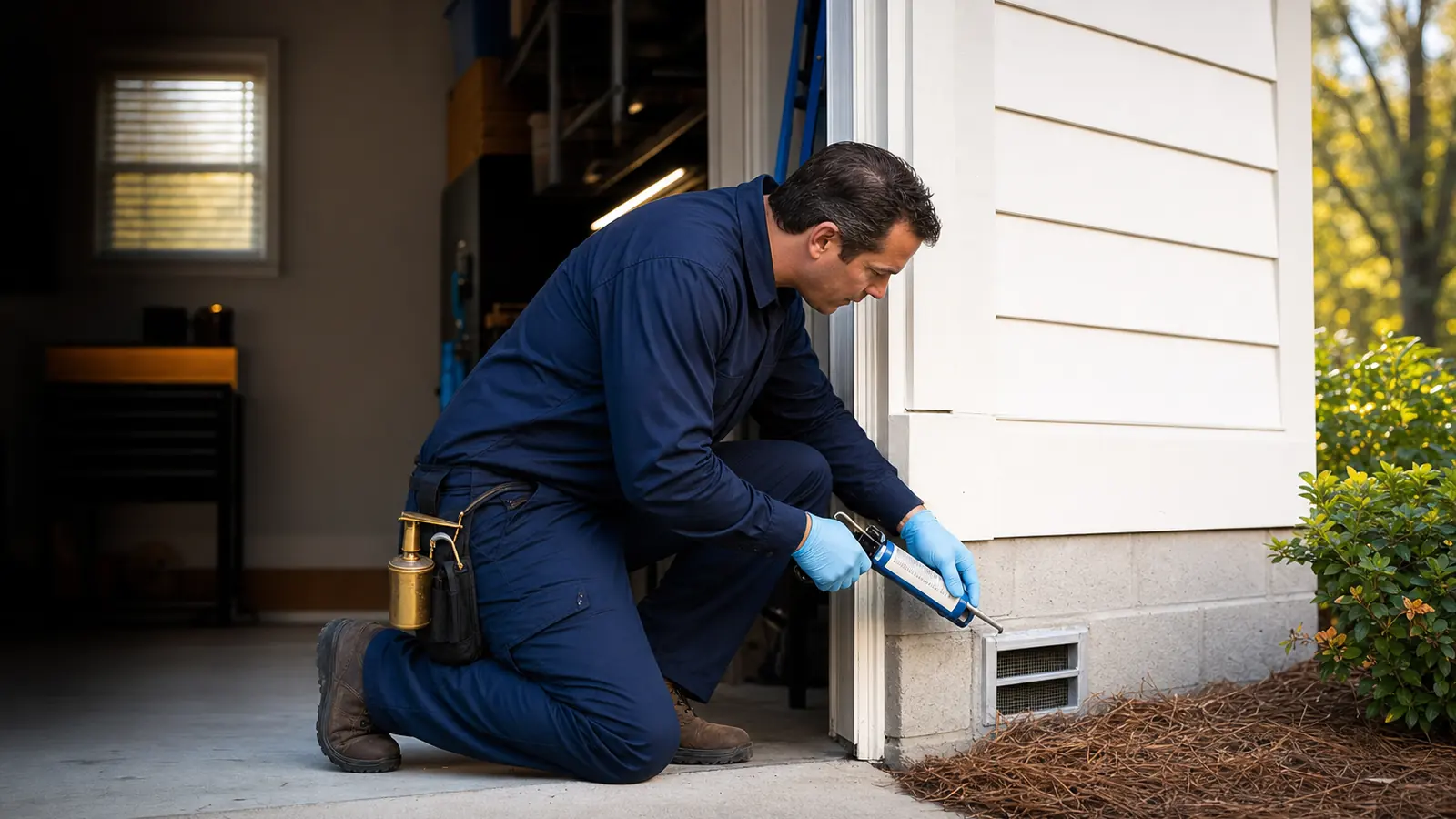
What should a professional attic rodent removal inspection document?
A thorough check should record visible entry points and droppings locations. It should also note insulation condition and any nesting material. This gives the homeowner and provider a shared reference. It should describe what is seen. It should not diagnose the size of a problem.
Good notes starts with a walk-through. It notes where evidence appears, such as near vents, soffits, or roofline gaps. Homeowners seeing similar pressure can also review rodent entry-point sealing before scheduling.
Photos taken during this walk-through help track changes over time. They give a visual record that words alone cannot match.
Insulation condition is worth recording too. Disturbed or compressed insulation can point to travel paths. This is an note, not a conclusion about how long activity has occurred. This connects closely with requesting service from Paladin when you are comparing next steps.
Entry points should be listed one by one. A clear list makes the sealing phase easier to plan and price later.
What this means for your home
- Documentation should summarize findings, treated areas, product locations where applicable, and the recommended follow-up plan.
- Practical takeaway: A thorough check should record visible entry points and droppings locations.
- Boiling Springs service is adjusted to the home style, season, and pressure pattern instead of using the same checklist everywhere.
Is attic rodent removal the same as entry-point sealing?
No. Removal deals with current activity. Entry-point sealing, also called sealing, closes access for the future. These steps are related. They are usually treated as separate phases of a full attic project.
Talk to the Paladin office.
Ask about the next available appointment and what the inspection includes.
Which findings can change the attic rodent removal service scope?
Multiple entry points can change the removal scope. So can heavy nesting material or damaged ductwork. These discoveries may call for added sealing work. They may also lead to a cleanup referral. Scope should shift based on what the check shows, not on early guesses.
An attic with one entry point and little nesting usually needs a narrower scope. More findings directly shape how much sealing work is needed. For a wider plan, pair this with mouse control so the whole property is covered.
Damaged insulation or disturbed ductwork can add a cleanup referral to the plan. This step sits apart from removal and sealing. It should be its own advice.
Seasonal factors sometimes affect findings too. Rodent activity shifts through the year in the Upstate. This is one reason checks should happen before final scope is set. Homeowners seeing similar pressure can also review rodent control and exclusion before scheduling.
Ask providers to explain how a finding turns into an added task. A clear explanation prevents surprise costs and keeps the process transparent.
What this means for your home
- Practical takeaway: Multiple entry points can change the removal scope.
- Boiling Springs service is adjusted to the home style, season, and pressure pattern instead of using the same checklist everywhere.
Should entry-point sealing happen before or after removal is confirmed complete?
Entry-point sealing usually happens after removal work is reasonably addressed. It should not happen too early. Sealing too soon can trap rodents inside. Sealing too late leaves attics open to new activity. Providers typically time this based on check findings and observed activity.
The order matters here. Sealing an occupied space can create new problems. Providers generally confirm reduced activity signs before closing off main access points. This connects closely with Upstate SC service areas when you are comparing next steps.
Some entry points, like small gaps unrelated to current activity, may be sealed earlier without concern. Larger, active-looking openings are usually left for a later phase.
Ask providers to walk through their timing decisions. Understanding the order helps set expectations for how many visits a project might involve. For a wider plan, pair this with rodent entry-point sealing so the whole property is covered.
This sequencing question is worth raising early. It signals that you want a considered, phase-based approach rather than a rushed one.
What this means for your home
- Practical takeaway: Entry-point sealing usually happens after removal work is reasonably addressed.
- Boiling Springs service is adjusted to the home style, season, and pressure pattern instead of using the same checklist everywhere.
Does attic damage always require a separate cleanup referral?
Not every attic needs a separate cleanup referral. Minor insulation disturbance may not require extra work beyond removal and sealing. More extensive damage, such as compromised insulation or affected ductwork, is often referred out. Cleanup usually falls outside standard removal scope.
Attics vary widely, even within the same neighborhood. Some show light disturbance. Others show more noticeable insulation or material damage. Homeowners seeing similar pressure can also review requesting service from Paladin before scheduling.
When damage is minor, providers may simply note it in the check report. This keeps the project focused and avoids unnecessary add-ons.
When damage is more extensive, a cleanup referral is a reasonable next step. This referral is usually its own project. It sits apart from removal and sealing pricing. This connects closely with mouse control when you are comparing next steps.
Ask directly whether your attic falls into the minor or extensive category. A clear answer helps decide whether cleanup needs to be scheduled at all.
What this means for your home
- Practical takeaway: Not every attic needs a separate cleanup referral.
- Boiling Springs service is adjusted to the home style, season, and pressure pattern instead of using the same checklist everywhere.
How is verification handled after exclusion work is finished?
Final check after sealing usually means a follow-up check. It confirms sealed points remain intact. It also checks for any new activity signs. This step is observational and based on what is currently visible. It helps homeowners see whether sealing held, not to predict the future.
A final check visit typically revisits the same entry points noted earlier. The goal is to compare current conditions against the original check notes. For a wider plan, pair this with rodent control and exclusion so the whole property is covered.
If a sealed point shows new gnawing or disturbance, that finding gets recorded and discussed. Outcomes vary by property. Final check focuses on noted conditions rather than predictions.
Some homeowners request final check soon after sealing. Others wait longer to see how the seal holds through different weather. Both approaches are reasonable. Homeowners seeing similar pressure can also review requesting service from Paladin before scheduling.
Keeping records from the original check makes final check more useful. Comparing before and after notes gives a clearer picture than one visual check alone.
What this means for your home
- Practical takeaway: Final check after sealing usually means a follow-up check.
- Follow-up visits confirm whether the rodent control activity is dropping and whether any new entry points or pressure signs appeared.
- Boiling Springs service is adjusted to the home style, season, and pressure pattern instead of using the same checklist everywhere.
Which questions should homeowners ask before scheduling attic rodent removal?
Ask how removal, sealing, and cleanup are scoped separately. Ask what notes you will receive. Ask how final check is handled too. These questions clarify what each visit covers. Asking early helps homeowners in Boiling Springs, SC compare providers on the same terms.
Start by asking whether the visit includes an check with noted findings. This sets a baseline for the rest of the project. This connects closely with rodent entry-point sealing when you are comparing next steps.
Next, ask how removal and sealing are separated in the quote. Knowing this split helps avoid confusion about what has actually been completed.
Ask specifically about cleanup, since it is often treated as its own referral. Knowing this ahead of time prevents surprise about what is included. For a wider plan, pair this with rodent control and exclusion so the whole property is covered.
Finally, ask how final check is scheduled and what it checks. A provider who answers clearly is easier to compare against others.
What this means for your home
- Practical takeaway: Ask how removal, sealing, and cleanup are scoped separately.
- Documentation should summarize findings, treated areas, product locations where applicable, and the recommended follow-up plan.
- Boiling Springs service is adjusted to the home style, season, and pressure pattern instead of using the same checklist everywhere.
Rodent control in the Upstate
Seal the entry, set the right trap, then prevent the next migration
Most rodent problems trace back to a gap you can fit a pencil through. We walk the exterior envelope first and identify entry points before we set a single trap.
Inside, traps go on the actual runway. Exterior bait stations live in tamper-resistant housings. We schedule the re-visit before we leave so we catch the second wave.
Why this post exists on the Paladin blog
This post was written by someone who actually does this work on Upstate homes, not by a contractor or a marketing team that has never seen the species in person. The Paladin blog exists to answer the questions we hear on real service calls, honestly, in plain English, without selling you a service you do not need. If a post helps you solve the problem on your own, that is a successful post for us. If you read it and decide you would rather have a trained technician on site, that is what the phone is for. Either path is fine.
A first Paladin visit is intended to document the activity, inspect relevant areas, and explain the proposed scope before work begins. Appointment timing and the exact inspection areas depend on the request and property access. Call (864) 816-7658 or use the contact form so the office can confirm the current options.
Paladin is based in Boiling Springs, SC and serves the approved Upstate locations listed on this site. Each recommendation should be tied to conditions documented at the property, including pest evidence, moisture, entry points, food, water, shelter, and access. The office confirms address availability without promising a route frequency or response window.
Keep exploring Paladin
Related Paladin services and guides for Upstate homeowners.
- See the full rodent program at Paladin
- Mouse control and trap placement
- Rat control with exterior bait stations
- Rodent entry-point exclusion
- Kids, pets, and rodent treatment safety
- Rodent entry-point and exclusion guides
- Find a city near you on our Upstate route
- Tell Paladin what you are seeing and ask about current availability
Frequently asked questions
What is the difference between removal and sealing in an attic project?
Removal focuses on rodents currently present in the attic. Sealing focuses on sealing the gaps that allowed access. Both are part of a complete plan, but they serve different purposes. They are usually scoped and priced as separate items in a quote.
Does Paladin Pest Solutions handle attic cleanup after rodent removal?
Cleanup is often treated as a separate referral outside standard removal and sealing scope. Homeowners in Boiling Springs, SC should ask directly whether cleanup is included in a quote. It may instead be a separate advice based on check findings. Confirming this early avoids confusion later.
How can I tell if my attic needs sealing work?
An check that documents visible entry points is the most reliable way to know. Gaps near vents, soffits, or rooflines are common findings. A noted list of these points helps determine whether sealing work is needed. It also helps decide how extensive that work should be.
Will final check confirm my attic is permanently sealed?
Final check checks whether previously sealed points remain intact. It also checks whether new activity signs have appeared since the last visit. Outcomes vary by property and by local conditions. Final check reflects only what is observed at that time, not a lasting assurance about the future.
What should I ask a provider before scheduling attic rodent removal in Boiling Springs, SC?
Ask how removal, sealing, and cleanup are scoped as separate items in the quote. Ask what notes you will receive after the check visit. Also ask how follow-up final check is handled once sealing work wraps up. Clear answers make it easier to compare providers.
Ready to shield your family?
One call to Paladin and we’ll meet you where you are, from a quick walk-through to a long-term protection plan.