Upstate South Carolina · Identify first, treat the right spot
Attic Moisture Control in Boiling Springs, SC: What an Evaluation Should Separate
Attic Moisture Control in Boiling Springs, SC works best when an evaluation keeps findings separate. Roof-leak signs, ventilation gaps, insulation wear, wildlife evidence, and access limits each tell a different story. Mixing…
- Careful, targeted treatments built around your household
- Local Upstate route, real callbacks from our Spartanburg office
- Honest scoping, never a sales script
Quick Answer
Attic Moisture Control in Boiling Springs, SC works best when an evaluation keeps findings separate. Roof-leak signs, ventilation gaps, insulation wear, wildlife evidence, and access limits each tell a different story. Mixing them together makes the cause harder to see. Clear categories help set a fair scope of work.
For the next step, compare moisture remediation, read about crawl space moisture control, or check where Paladin works across Upstate SC.
Key Takeaways
- Roof-leak stains and active moisture sources are separate findings.
- Ventilation gaps cause humidity issues, unlike outside water leaks.
- Insulation condition should be logged apart from leak source data.
- Wildlife evidence needs its own record, not mixed with damage notes.
- Attic access limits can shape how much gets checked.
- A referral matrix helps route findings to the right step.
- Clear separation of findings supports a fair service scope.
What Should an Attic Evaluation Separate Before Work Is Proposed?
An attic evaluation should sort roof-leak signs, ventilation issues, insulation condition, wildlife evidence, and access limits into separate notes. Treating them as one combined problem often blurs the real cause. Keeping each finding apart helps a homeowner see what is actually happening in the attic.
Attics often show more than one issue at once. A stained rafter, a gap in soffit vents, and matted insulation can all appear together. This connects closely with moisture remediation when you are comparing next steps.
If these get lumped into one note, it gets harder to see which condition is driving the moisture. Separate categories keep the picture clear.
This habit also helps when comparing notes across visits. Clean categories make it easier to track any change over time. For a wider plan, pair this with Upstate SC service areas so the whole property is covered.
What this means for your home
- Boiling Springs service is adjusted to the home style, season, and pressure pattern instead of using the same checklist everywhere.
- Practical takeaway: An attic evaluation should sort roof-leak signs, ventilation issues, insulation condition, wildlife evidence, and access limits into separate notes.
How Does a Roof-Leak Clue Get Documented Separately?
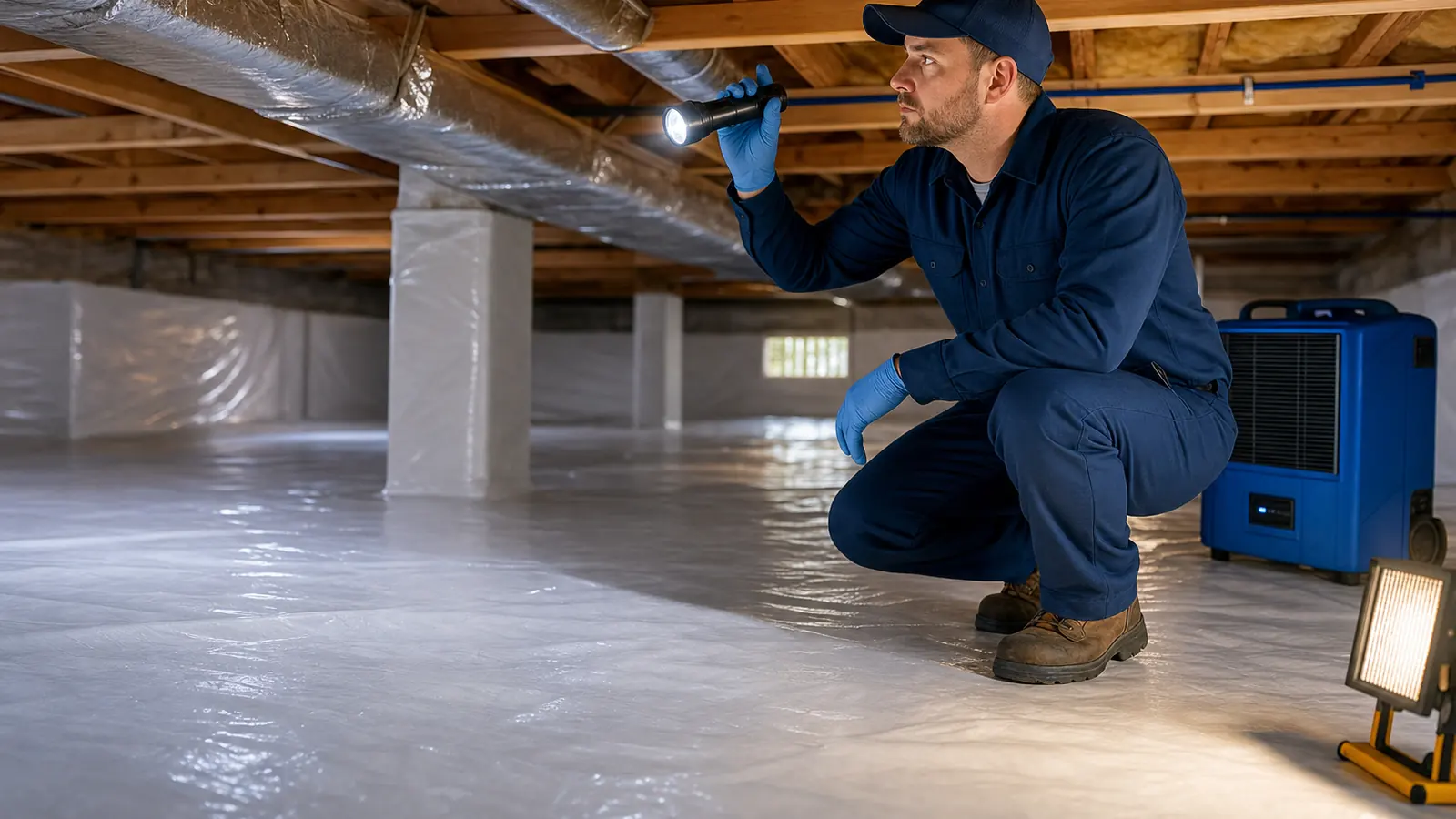
A roof-leak clue, such as a water stain or damp insulation patch, gets noted with its exact spot and rough size. This record stays apart from ventilation or wildlife notes. That way the moisture source can be traced without mixing in unrelated clues.
Roof leaks tend to leave visible trails along rafters, decking, or insulation. Noting where a stain starts and how far it spreads is useful. Homeowners seeing similar pressure can also review crawl space moisture control before scheduling.
This detail matters because a leak near a vent stack points to a different area than a leak near a valley or chimney flashing.
Keeping this note free of other observations, like insulation depth or vent count, avoids blending unrelated clues into one confusing entry. This connects closely with requesting service from Paladin when you are comparing next steps.
What this means for your home
- Practical takeaway: A roof-leak clue, such as a water stain or damp insulation patch, gets noted with its exact spot and rough size.
- Documentation should summarize findings, treated areas, product locations where applicable, and the recommended follow-up plan.
- Service notes should tell you what was found, what was treated, and what to watch for before the next visit.
What is the first thing an attic moisture evaluation should separate?
It should first separate active roof-leak signs from long-term insulation wear. These two conditions often look similar. But they point to different causes and different next steps for the homeowner to weigh.
Talk to the Paladin office.
Ask about the next available appointment and what the inspection includes.

Why Does Ventilation Deserve Its Own Category?
Ventilation problems, like blocked soffit vents or a missing ridge vent, trap warm moist air inside the attic. No water enters from outside in this case. Recording ventilation on its own shows whether humidity buildup or an outside leak is the bigger factor.
Poor airflow can cause condensation under the roof deck. This can look similar to a leak but comes from a different cause. For a wider plan, pair this with vapor barrier installation so the whole property is covered.
Noting vent type, vent count, and any visible blockage gives a clearer sense of how air moves through the space.
Separating this from leak evidence stops someone from assuming a roof repair is needed when better airflow may be the real fix. Homeowners seeing similar pressure can also review moisture remediation before scheduling.
What this means for your home
- Practical takeaway: Ventilation problems, like blocked soffit vents or a missing ridge vent, trap warm moist air inside the attic.
- Service notes should tell you what was found, what was treated, and what to watch for before the next visit.
Should Insulation Condition Be Recorded on Its Own?
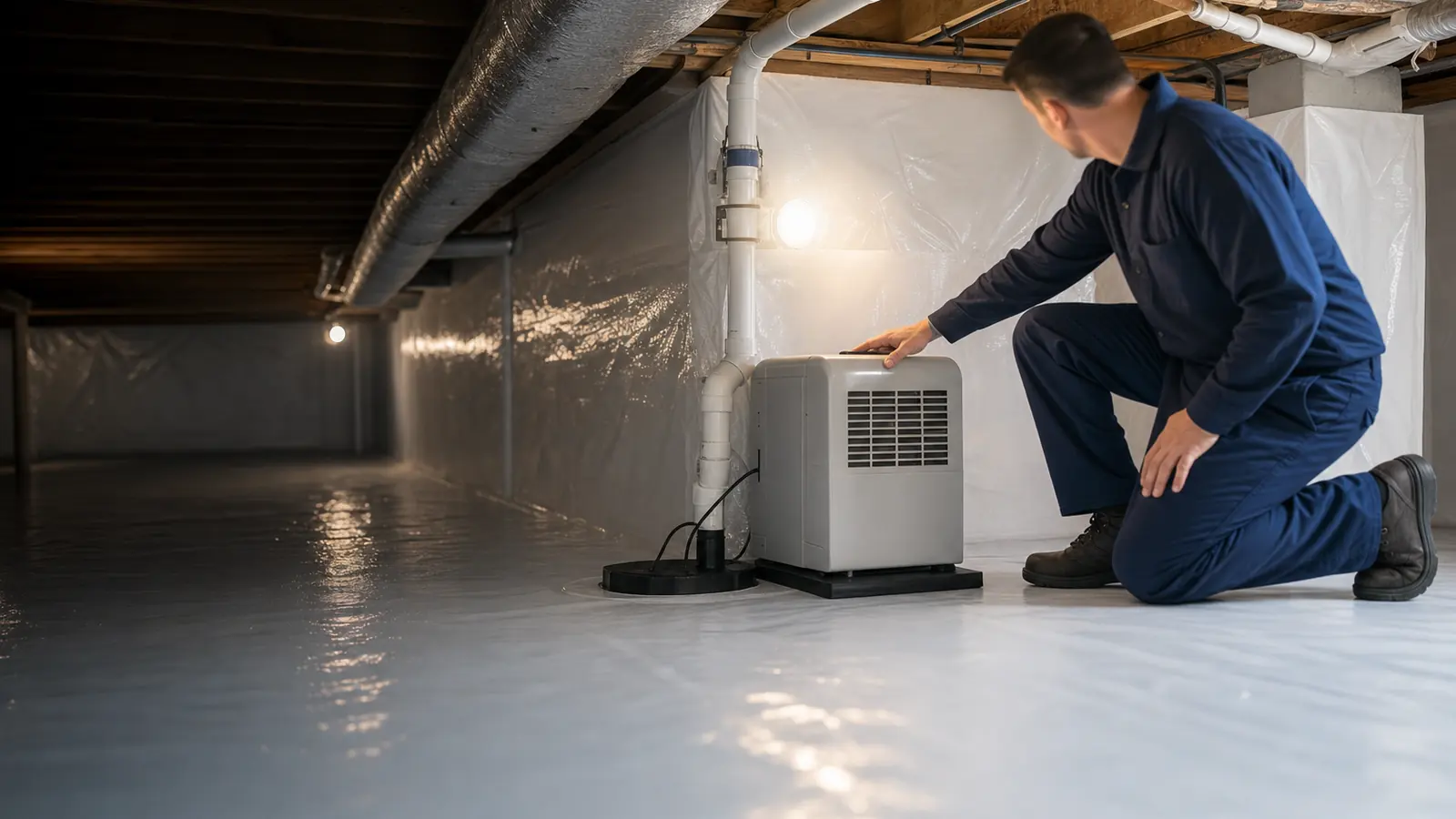
Yes, insulation condition should get its own record. Note whether it looks compressed, discolored, or thin in spots. This helps tell a long-term moisture pattern apart from one recent event, since insulation often shows gradual change rather than a sudden stain.
Compressed or matted insulation can point to repeated dampness over time rather than one leak event. This connects closely with Upstate SC service areas when you are comparing next steps.
Discoloration without a clear water trail may suggest airborne humidity rather than a direct water source.
Recording insulation depth and look apart from roof and vent notes keeps the timeline clearer for anyone reviewing it later. For a wider plan, pair this with crawl space moisture control so the whole property is covered.
What this means for your home
- Condition correction lowers repeat pressure by addressing moisture, food sources, harborage, and easy entry points.
- Practical takeaway: Yes, insulation condition should get its own record.
- Documentation should summarize findings, treated areas, product locations where applicable, and the recommended follow-up plan.

How Should Wildlife Evidence Be Kept Apart From Moisture Notes?
Wildlife evidence, such as droppings, chewed material, or nesting debris, should get its own separate category during any attic review. This keeps animal activity from being confused with moisture damage, since both can leave similar stains or disturbed insulation in the same general area of the attic.
Animal activity and moisture damage can look alike at first glance, especially in dim attic light. Homeowners seeing similar pressure can also review requesting service from Paladin before scheduling.
Noting the location, type, and amount of evidence apart helps clarify whether wildlife entry is a factor.
This separation also supports sending the wildlife portion to the correct next step, since removal and moisture work use different approaches. This connects closely with vapor barrier installation when you are comparing next steps.
What this means for your home
- Practical takeaway: Wildlife evidence, such as droppings, chewed material, or nesting debris, should get its own separate category during any attic review.
- Documentation should summarize findings, treated areas, product locations where applicable, and the recommended follow-up plan.
Why Does Attic Access Change What an Evaluation Can Confirm?
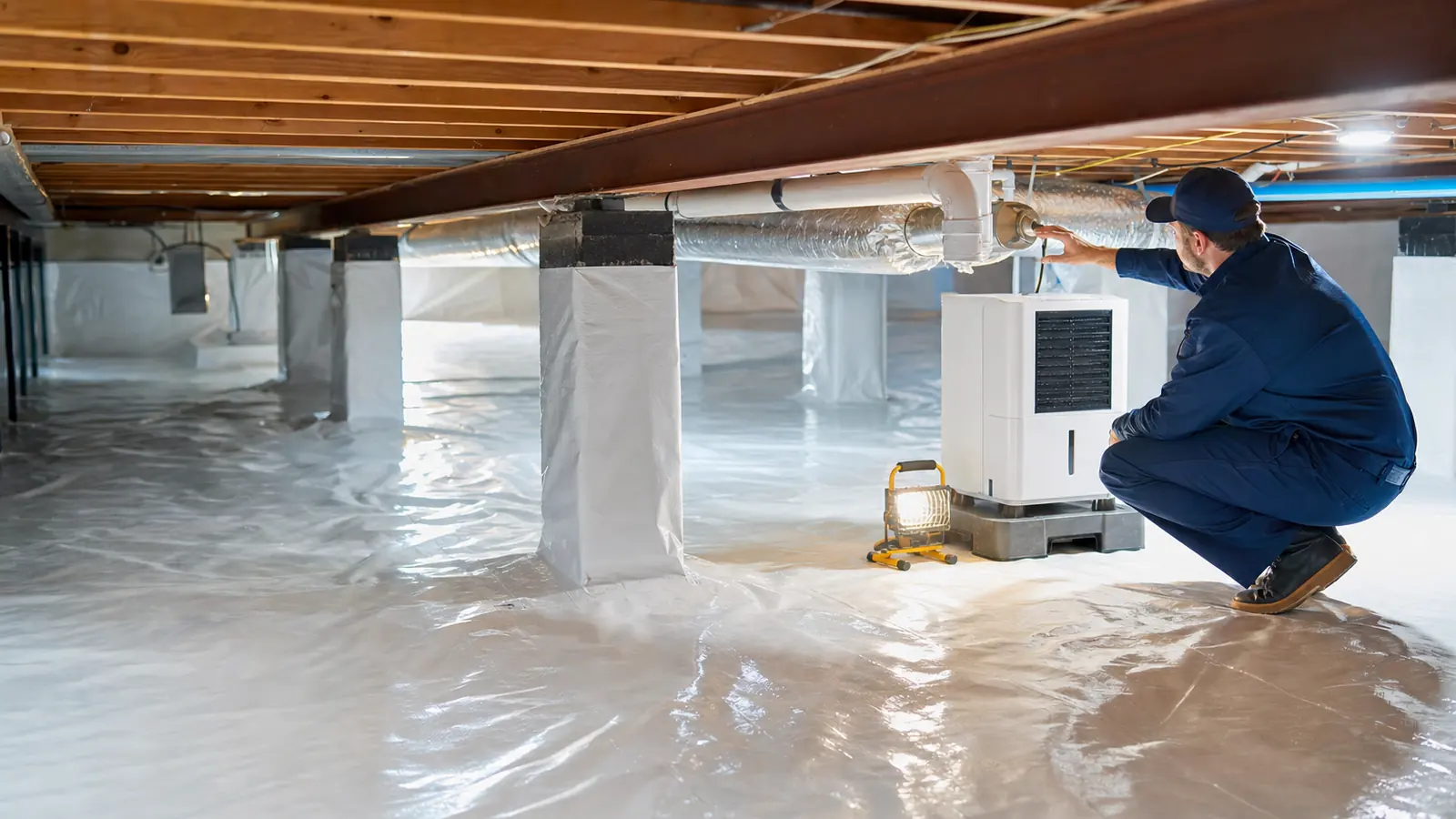
Limited attic access, such as low clearance or blocked storage, limits how much of the space can be checked directly. Noting these limits apart from findings helps set fair expectations. It clarifies what the evaluation could and could not confirm during the visit.
Some attics have tight crawl areas near eaves or low-pitch sections that are hard to reach safely. For a wider plan, pair this with moisture remediation so the whole property is covered.
When access is limited, an evaluation may rely on visible signs near entry points rather than a full walkthrough.
Recording these limits honestly, rather than guessing about unseen areas, keeps the evaluation accurate and avoids overstating what was seen. Homeowners seeing similar pressure can also review requesting service from Paladin before scheduling.
What this means for your home
- Practical takeaway: Limited attic access, such as low clearance or blocked storage, limits how much of the space can be checked directly.
- Service notes should tell you what was found, what was treated, and what to watch for before the next visit.
Can a Referral Matrix Help Route Different Findings?
Yes, a referral matrix can sort findings by type, such as roofing, insulation, ventilation, or wildlife. Each type then points toward the right next step. This keeps a moisture evaluation focused on documentation rather than trying to fix issues outside its scope.
A simple matrix might group findings into buckets like structural, roofing, insulation, and pest or wildlife related. This connects closely with crawl space moisture control when you are comparing next steps.
Each category can then be matched to the type of professional best suited to address it.
This approach keeps the evaluation organized and helps a homeowner decide which call to make first. For a wider plan, pair this with moisture remediation so the whole property is covered.
What this means for your home
- Practical takeaway: Yes, a referral matrix can sort findings by type, such as roofing, insulation, ventilation, or wildlife.
How Can a Homeowner Prepare Before Requesting an Attic Evaluation?
A homeowner can note visible ceiling stains, musty odors, or recent roof work ahead of time. Clearing a path to the attic access point also helps. Sharing these observations early helps focus the evaluation on the areas most likely to need a closer look.
Simple notes, like when a stain first appeared or which room sits below it, add useful context. Homeowners seeing similar pressure can also review vapor barrier installation before scheduling.
Clearing boxes or storage items away from the attic hatch makes access safer and faster during the visit.
Sharing any past attic work, such as new insulation or a recent roof repair, gives helpful background for comparison. This connects closely with crawl space moisture control when you are comparing next steps.
What this means for your home
- The plan is adjusted for the home type and pest pressure instead of forcing a generic crawl-space pest prevention checklist.
- Service notes should tell you what was found, what was treated, and what to watch for before the next visit.
- Practical takeaway: A homeowner can note visible ceiling stains, musty odors, or recent roof work ahead of time.
Crawl space and moisture
Drop crawl-space humidity below 55% and keep it there
Most recurring pest pressure traces back to crawl-space conditions. We measure relative humidity, check the vapor barrier, inspect the dehumidifier and ducts, and look at drainage outside before we quote a scope.
Done well, that means a 12-mil reinforced barrier sealed to piers and walls, a sized professional dehumidifier with auto-drain, and a sealed access door.
Why this post exists on the Paladin blog
This post was written by someone who actually does this work on Upstate homes, not by a contractor or a marketing team that has never seen the species in person. The Paladin blog exists to answer the questions we hear on real service calls, honestly, in plain English, without selling you a service you do not need. If a post helps you solve the problem on your own, that is a successful post for us. If you read it and decide you would rather have a trained technician on site, that is what the phone is for. Either path is fine.
A first Paladin visit is intended to document the activity, inspect relevant areas, and explain the proposed scope before work begins. Appointment timing and the exact inspection areas depend on the request and property access. Call (864) 816-7658 or use the contact form so the office can confirm the current options.
Paladin is based in Boiling Springs, SC and serves the approved Upstate locations listed on this site. Each recommendation should be tied to conditions documented at the property, including pest evidence, moisture, entry points, food, water, shelter, and access. The office confirms address availability without promising a route frequency or response window.
Keep exploring Paladin
Related Paladin services and guides for Upstate homeowners.
Frequently asked questions
Why should roof-leak signs and ventilation issues be kept separate during an attic evaluation?
Roof leaks bring water in from outside. Ventilation issues trap moisture that is already inside the attic. These are two different problems with two different fixes. Mixing the findings together makes it harder to find the true source. Keeping them apart supports a clearer and more accurate evaluation for the homeowner.
What role does insulation condition play in an attic moisture evaluation?
Insulation condition often reflects moisture exposure over time. It can show matting, discoloration, or thinning in affected spots. Recording this apart from a single leak event helps tell an ongoing pattern from a recent event. This distinction matters when deciding what kind of work the attic actually needs.
How does wildlife evidence factor into an attic moisture control evaluation?
Wildlife evidence, like droppings or nesting material, can look like moisture damage in dim attic light. Recording it as its own category avoids that confusion. It also helps route that part of the finding toward the right next step, separate from any moisture-related concerns found in the space.
Why do access limits matter when evaluating attic moisture?
Access limits, such as low clearance or blocked areas, restrict how much of the attic can be seen directly. Noting these limits honestly helps set fair expectations. It shows what the evaluation could confirm and where a closer look might still be needed before any work gets proposed.
What is a referral matrix used for in an attic moisture evaluation?
A referral matrix groups findings by type, such as roofing, ventilation, insulation, or wildlife. Each group then points toward a suitable next step. This keeps the evaluation organized. It also helps a homeowner decide which professional to contact first for each specific issue found in the attic.
How can Paladin Pest Solutions support an attic moisture evaluation in Boiling Springs, SC?
Paladin Pest Solutions offers multi-point inspections and can note wildlife evidence, entry points, and related attic conditions as part of a broader review. Reaching out through the contact page or by phone can help clarify what an evaluation may include for a specific Boiling Springs attic before any work moves forward.
Ready to shield your family?
One call to Paladin and we’ll meet you where you are, from a quick walk-through to a long-term protection plan.