Upstate South Carolina · Pest control for homes with kids and pets
Ant Exterminator in Boiling Springs, SC: What Happens After Ants Keep Returning?
When ants keep returning after cleanup, a homeowner should track trail locations, timing, and nearby food or water before calling an ant exterminator in Boiling Springs, SC. This log helps the inspection team tell apart an indoor…
- Careful, targeted treatments built around your household
- Local Upstate route, real callbacks from our Spartanburg office
- Honest scoping, never a sales script
Quick Answer
When ants keep returning after cleanup, a homeowner should track trail locations, timing, and nearby food or water before calling an ant exterminator in Boiling Springs, SC. This log helps the inspection team tell apart an indoor trail problem from an outdoor mound issue and speeds up an accurate service plan.
For the next step, compare ant control options, read about how to protect your family from ants, or check where Paladin works across Upstate SC.
Key Takeaways
- Track ant trail locations before calling for an inspection.
- Note the time of day trails reappear indoors.
- Photograph trails near food, water, or entry points.
- Indoor trails often differ from outdoor mound issues.
- Species identification can shape the treatment approach.
- A written log speeds up the service handoff.
- Paladin uses Integrated Pest Management and multi-point inspections.
Why do ants return after the visible trail is cleaned?
Ants often return because wiping away a visible trail removes the scent marker but not the colony or its outdoor nest. Worker ants can re-establish a path within hours if food or moisture sources remain nearby. A professional inspection looks past the surface trail to find the pattern behind it.
Cleaning a countertop or wiping down a baseboard feels like a fix. It removes the ants you can see and the scent trail they left behind. This connects closely with ant control options when you are comparing next steps.
But that scent trail is just one clue to a larger colony structure. Worker ants scout new paths quickly when the old one disappears.
If food crumbs, pet bowls, or damp areas remain accessible, new trails can form within a day or two. This is why trails often reappear in the same general area. For a wider plan, pair this with Upstate SC service areas so the whole property is covered.
An ant exterminator in Boiling Springs, SC looks at the broader pattern rather than just the spot you cleaned. That broader view is part of what a multi-point inspection covers.
What this means for your home
- Boiling Springs service is adjusted to the home style, season, and pressure pattern instead of using the same checklist everywhere.
- Practical takeaway: Ants often return because wiping away a visible trail removes the scent marker but not the colony or its outdoor nest.

What should a homeowner log before the inspection?
Before an inspection, homeowners should note where trails appear, what time of day they show up, and what food or water sources sit nearby. Photos of the trail and any visible entry points add useful detail. This log turns a vague complaint into specific evidence the inspection team can use.
Start with a simple notebook or phone note. Write down the exact rooms or outdoor areas where you see ants. Homeowners seeing similar pressure can also review protecting your family from ants before scheduling.
Include the date and approximate time. Ants tend to follow daily patterns tied to temperature and light.
Note anything nearby that could attract them, like a pet food bowl, a sink, or a trash can. Small details like this often reveal the real draw. This connects closely with requesting service from Paladin when you are comparing next steps.
A few clear photos of the trail path and any cracks or gaps nearby round out the picture. This kind of documentation supports the inspection without requiring any guesswork on your part.
What this means for your home
- Practical takeaway: Before an inspection, homeowners should note where trails appear, what time of day they show up, and what food or water sources sit nearby.
- Documentation should summarize findings, treated areas, product locations where applicable, and the recommended follow-up plan.
- Boiling Springs service is adjusted to the home style, season, and pressure pattern instead of using the same checklist everywhere.
What is the fastest way to start documenting an ant trail at home?
Take a quick photo of the trail and jot down the time and location. This small habit builds a useful record without adding much effort to your day.
Talk to the Paladin office.
Ask about the next available appointment and what the inspection includes.
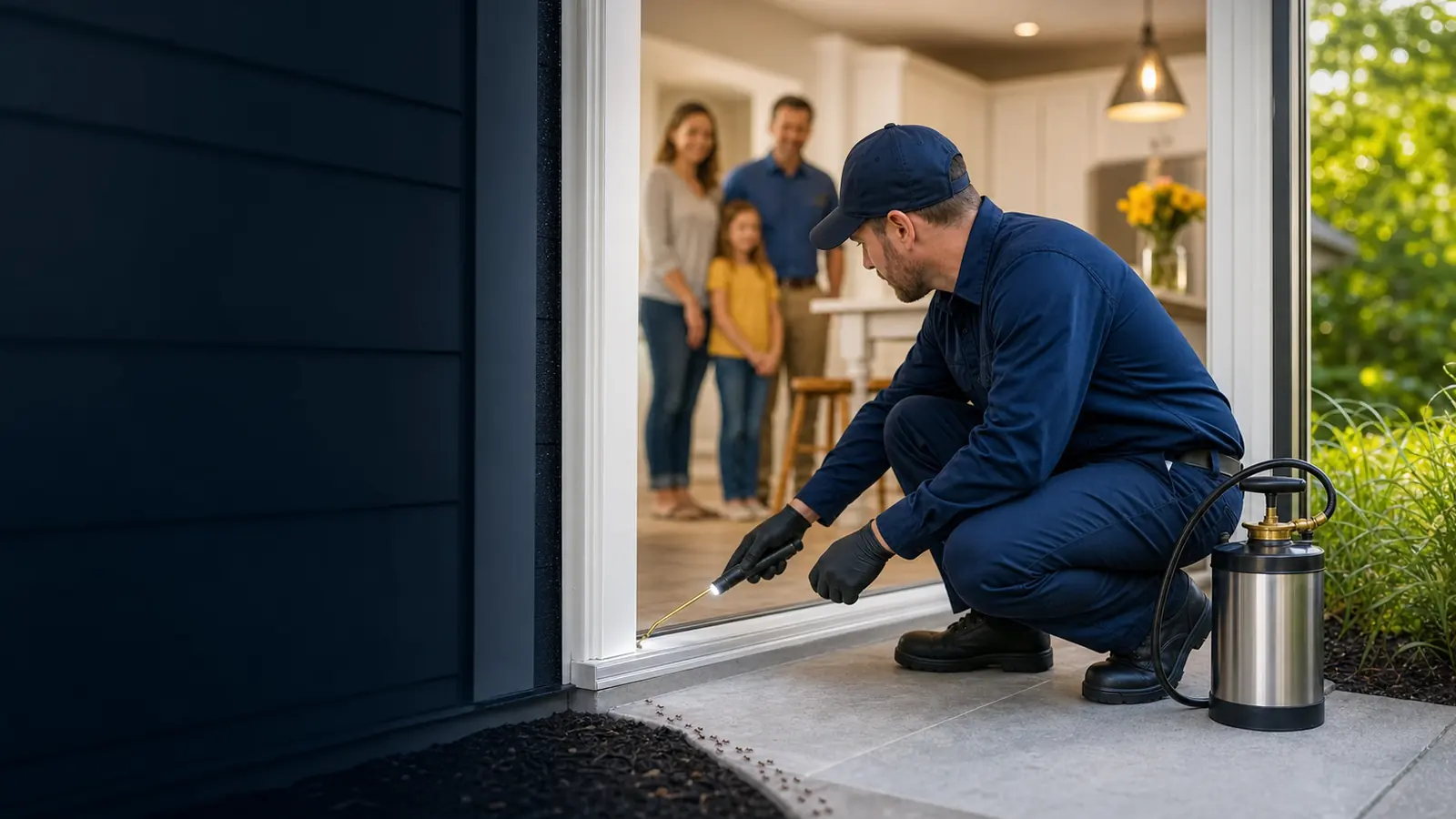
How does an indoor trail differ from an outdoor mound problem?
Indoor trails usually follow a direct line from an entry point to a food or water source inside the home. Outdoor mound problems involve visible dirt piles or nest openings in soil, often in lawns or garden beds. Recognizing which type you have helps the inspection focus on the right area first.
Indoor trails tend to hug baseboards, countertops, or window frames. They follow the shortest path between an entry gap and whatever attracted the ants. For a wider plan, pair this with exterior perimeter treatment so the whole property is covered.
Outdoor mounds look different. You might see small dirt piles in the lawn or loose soil near a garden bed.
Some ant species build mounds that are easy to spot, while others nest in less obvious spots like under mulch or pavers. This is one reason species identification matters during an inspection. Homeowners seeing similar pressure can also review ant control options before scheduling.
Clemson's Home and Garden Information Center notes that fire ant mounds in particular can appear scattered across a yard and benefit from broadcast bait approaches rather than spot treatment alone.
What this means for your home
- Practical takeaway: Indoor trails usually follow a direct line from an entry point to a food or water source inside the home.

Does the ant species change the treatment plan?
Yes, different ant species behave differently, so identifying the species helps shape the right approach. Sugar ants are drawn to sweet residues indoors, while fire ants build outdoor mounds and respond to different bait strategies. An inspection that includes species identification supports a more targeted service plan.
Not all ants act the same way. Some prefer sugary spills, others are drawn to protein or grease. This connects closely with Upstate SC service areas when you are comparing next steps.
Sugar ants, for example, often trail toward spilled juice, soda, or pet food left out. Their nests tend to stay hidden indoors or in nearby soil.
Fire ants build visible outdoor mounds and can require a different strategy altogether, based on their nesting behavior in lawns and garden beds. For a wider plan, pair this with protecting your family from ants so the whole property is covered.
Because the species affects where the colony lives and what draws them, correct identification during an inspection is a meaningful step before any service plan moves forward.
What this means for your home
- Identification comes first because the right ant control plan depends on species, activity level, and where the pressure is living.
- Practical takeaway: Yes, different ant species behave differently, so identifying the species helps shape the right approach.
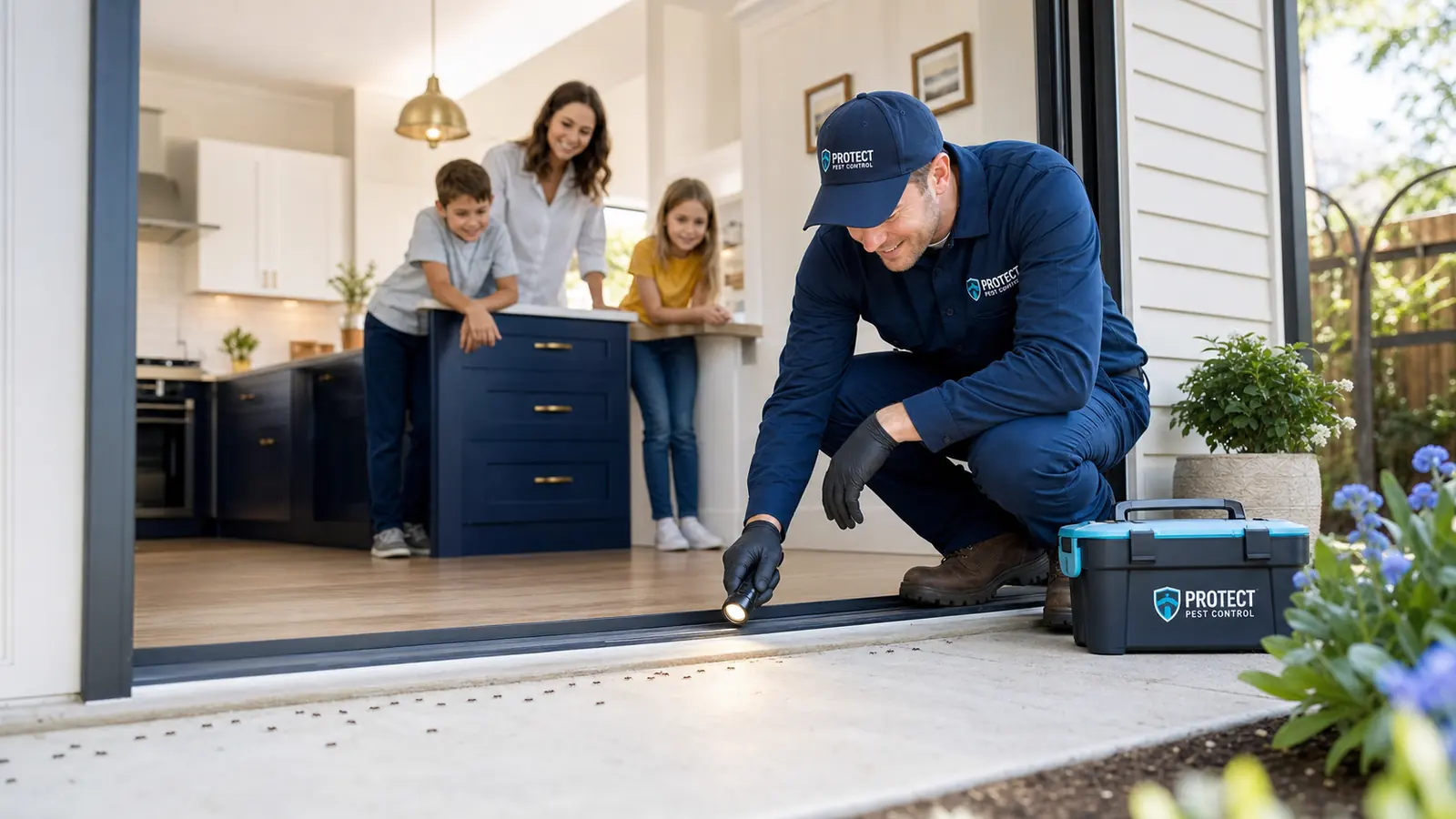
Should food and water access be part of the inspection notes?
Yes, food and water access points are central to understanding why ants keep returning to a specific area. Leaky pipes, pet dishes, and open food containers all give ants a reason to stay. Noting these details ahead of time helps the inspection connect the trail to its likely draw.
Ants need water just as much as food, sometimes more. A slow drip under a sink or a damp spot near a water heater can be enough to sustain a trail. Homeowners seeing similar pressure can also review requesting service from Paladin before scheduling.
Open food containers, crumbs under appliances, or an uncovered pet bowl are common draws too. None of these are unusual in any home, but they matter to the pattern.
Writing down where these access points sit near the ant trail gives the inspection team useful context. It also helps separate a temporary nuisance from a recurring access issue. This connects closely with exterior perimeter treatment when you are comparing next steps.
The Environmental Protection Agency's Integrated Pest Management guidance points out that reducing easy access to food and water is a foundational part of managing pest activity over time.
What this means for your home
- Practical takeaway: Yes, food and water access points are central to understanding why ants keep returning to a specific area.

Can entry points explain why ants keep coming back inside?
Yes, gaps around doors, windows, and utility lines give ants repeated access to the same indoor areas. If these gaps stay open, cleaning up a trail only offers short-term relief. Identifying and noting entry points helps connect the dots between outdoor activity and indoor trails.
Small gaps around door thresholds, window frames, and where pipes enter the home are common entry points for ants. For a wider plan, pair this with ant control options so the whole property is covered.
These openings are often too small to notice at a glance but large enough for tiny worker ants to use daily.
Marking where you see ants enter or exit, even roughly, adds another layer to your documentation. It also connects indoor trails to outdoor colony activity. Homeowners seeing similar pressure can also review requesting service from Paladin before scheduling.
Paladin's approach includes entry-point sealing and exclusion as part of a broader inspection process, which pairs well with the kind of notes a homeowner can gather beforehand.
What this means for your home
- Practical takeaway: Yes, gaps around doors, windows, and utility lines give ants repeated access to the same indoor areas.
When does a recurring ant trail justify calling a professional?
A recurring trail that returns after cleaning, especially across multiple days or in more than one room, is a reasonable point to call a professional. At that stage, a multi-point inspection can look at entry points, food access, and species behavior together. This moves the issue past guesswork and into a documented plan.
One ant trail on one afternoon might not need more than a cleanup. But a pattern across several days is different. This connects closely with protecting your family from ants when you are comparing next steps.
If trails show up in more than one room, or return within a day of cleaning, that consistency is worth noting.
At this point, a homeowner has usually gathered enough observations to make the inspection more useful. Sharing that log with the inspection team saves time and adds clarity. For a wider plan, pair this with ant control options so the whole property is covered.
Reaching out to schedule a review is a reasonable next step once the pattern feels consistent rather than occasional.
What this means for your home
- Practical takeaway: A recurring trail that returns after cleaning, especially across multiple days or in more than one room, is a reasonable point to call a professional.
- when to call ant exterminator
- Boiling Springs service is adjusted to the home style, season, and pressure pattern instead of using the same checklist everywhere.
How should the evidence log be shared during the service handoff?
The evidence log should be shared as clearly as possible, either written out or through photos with brief notes attached. Handing this over at the start of the visit lets the inspection team focus on confirming patterns rather than starting from scratch. A clear handoff often makes the whole process smoother.
Keep the log simple. A short list of dates, locations, and photos is often more useful than a long narrative. Homeowners seeing similar pressure can also review exterior perimeter treatment before scheduling.
Organize the notes by room or outdoor area if trails showed up in more than one spot. This makes the pattern easier to follow.
Mention any details about food, water, or entry points you noticed nearby, even if they seem minor. Small observations sometimes point to the right answer faster. This connects closely with protecting your family from ants when you are comparing next steps.
Sharing this information before or at the start of the visit helps the inspection move efficiently and keeps the focus on what matters most.
What this means for your home
- Practical takeaway: The evidence log should be shared as clearly as possible, either written out or through photos with brief notes attached.
- Service notes should tell you what was found, what was treated, and what to watch for before the next visit.
- Boiling Springs service is adjusted to the home style, season, and pressure pattern instead of using the same checklist everywhere.
Ants in Upstate homes
Ant trails follow conditions, we fix the conditions, then we treat the trail
The single biggest mistake on an ant call is spraying the visible bug. That scatters the colony and forces a budding split-off that's harder to control next month. Paladin technicians bait the trail first, then chase moisture and food sources that drew the scouts in.
Sugar ants in a kitchen, fire ants in a yard, and carpenter ants in damp framing all need different treatment. Our visit identifies which one you have and adjusts.
Why this post exists on the Paladin blog
This post was written by someone who actually does this work on Upstate homes, not by a contractor or a marketing team that has never seen the species in person. The Paladin blog exists to answer the questions we hear on real service calls, honestly, in plain English, without selling you a service you do not need. If a post helps you solve the problem on your own, that is a successful post for us. If you read it and decide you would rather have a trained technician on site, that is what the phone is for. Either path is fine.
A first Paladin visit is intended to document the activity, inspect relevant areas, and explain the proposed scope before work begins. Appointment timing and the exact inspection areas depend on the request and property access. Call (864) 816-7658 or use the contact form so the office can confirm the current options.
Paladin is based in Boiling Springs, SC and serves the approved Upstate locations listed on this site. Each recommendation should be tied to conditions documented at the property, including pest evidence, moisture, entry points, food, water, shelter, and access. The office confirms address availability without promising a route frequency or response window.
Keep exploring Paladin
Related Paladin services and guides for Upstate homeowners.
- See the full ant program at Paladin
- Fire ant mound control for Upstate yards
- Carpenter ant inspection for damp framing
- Sugar ant kitchen trail control
- Protect your family from ants
- Ant identification and prevention guides
- Find a city near you on our Upstate route
- Tell Paladin what you are seeing and ask about current availability
Frequently asked questions
Why do ants keep returning to the same spot in my kitchen?
Ants often return to the same spot because a food or water source nearby continues to attract them, even after the visible trail is cleaned. The scent marker fades, but the colony still knows the path. Removing crumbs and moisture helps, but a full inspection looks at the bigger pattern.
What details help most when preparing for an ant inspection?
Notes on where and when trails appear, plus photos of the trail and nearby food or water sources, are the most useful details. This information helps connect indoor activity to its likely cause. It also saves time during the inspection itself.
Are indoor ant trails and outdoor mounds treated as the same issue?
Not always. Indoor trails usually point to a nearby food or water draw and an entry point, while outdoor mounds relate to nesting habits in soil or lawns. An inspection considers both, since they can be connected but often need different attention.
Does it matter which ant species is present in my home?
Yes, species can affect what attracts the ants and where they nest, since sugar ants and fire ants behave quite differently in daily habits. Identifying the species during an inspection helps shape a more accurate and better targeted service plan going forward.
When is it reasonable to contact Paladin Pest Solutions about ants?
It is reasonable to reach out once a trail keeps returning across multiple days or appears in more than one area of the home. At that point, sharing your documented observations with the inspection team can make the visit more productive.
Ready to shield your family?
One call to Paladin and we’ll meet you where you are, from a quick walk-through to a long-term protection plan.